



The Philosophy of Purity
Across India, the concept of a clean and beautified home is tied to inviting prosperity and positive energy, often personified by Goddess Lakshmi. This shared spiritual goal, however, branches into distinct daily and seasonal practices. While both regions
deeply value a sanctified home, their methods are shaped by centuries of unique cultural evolution, local festivals, and even the weather outside their doors. The North often prepares for grand annual events, while the South weaves these rituals into the fabric of daily life.
Northern Traditions: The Great Annual Clean
In North India, cleaning often builds towards a grand, annual crescendo, most famously known as 'Diwali ki Safai'. This isn't just a simple dusting; it's a top-to-bottom spiritual and physical overhaul. Weeks before the festival, families undertake a deep clean, discarding old items, whitewashing walls, and scrubbing every corner to make the home worthy of welcoming the goddess of wealth. This practice is also practical, as it often follows the monsoon season, clearing away dampness and grime. This intensive, festival-focused approach transforms cleaning into a periodic event of renewal.
Southern Rituals: A Daily Act of Devotion
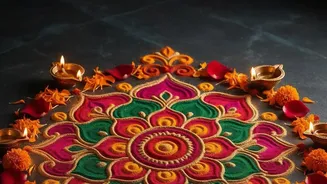
In contrast, Southern homes often embrace cleanliness as a daily, meditative ritual. The day frequently begins before sunrise with the washing of the home's entrance. This is followed by the drawing of the 'kolam' or 'muggu', intricate geometric patterns made with rice flour. This act is more than decoration; it's a spiritual invitation for divine energy and an offering to the smallest of creatures, like ants and insects, who feed on the flour. This daily practice, along with the meticulous upkeep of the puja room, makes purity a continuous, flowing part of life rather than a seasonal peak.
Decor in the North: Rich Hues and Grandeur
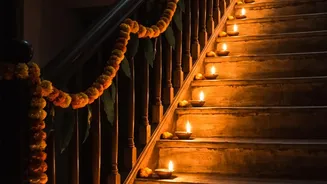
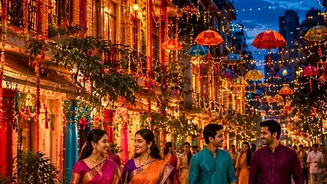
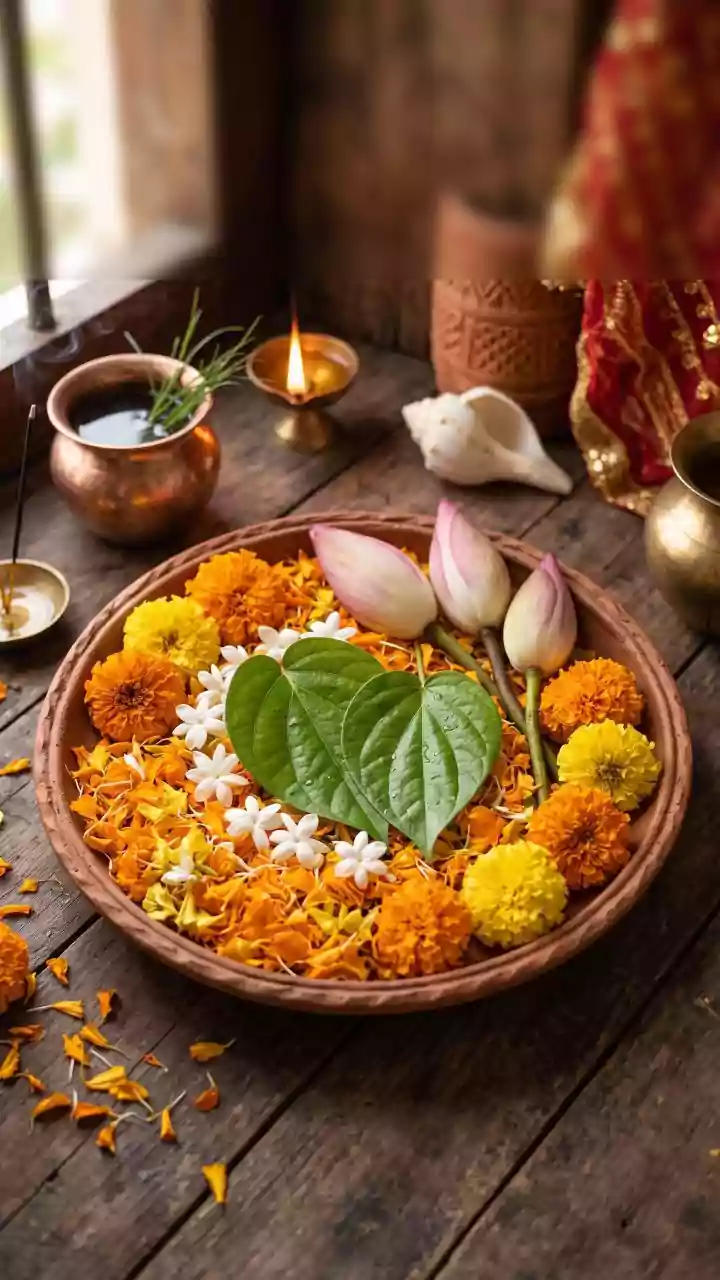
Northern decorative traditions often reflect a history of Mughal and Rajput grandeur, favouring rich colours, ornate patterns, and opulent materials. Homes are adorned with vibrant textiles like Phulkari and Bandhani, intricately carved wooden furniture, and gleaming brassware. During festivals and weddings, marigold garlands ('torans') are strung across doorways, symbolising auspiciousness and celebration. The aesthetic is often one of warmth, richness, and layered textures that create an inviting and grand atmosphere.
Decor in the South: Earthy Elegance and Light
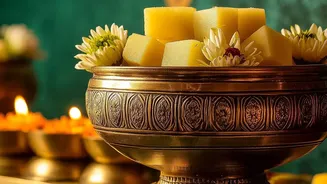
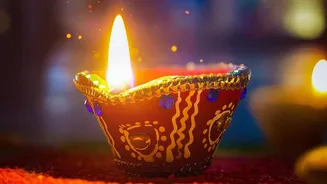
South Indian decor is characterised by an elegant simplicity rooted in tradition and natural materials. A central element is the brass lamp, or 'kuthuvilakku', whose glow is considered sacred and is a staple in daily worship. Carved rosewood and teak furniture, earthy red oxide floors, and urlis (wide brass vessels) filled with water and flowers are common. Art forms like Tanjore paintings, with their gold leaf details, add a touch of divinity. The focus is on craftsmanship and materials that feel connected to the earth, creating a serene and grounded ambience.
Climate's Decisive Role
Ultimately, many of these differences can be traced to climate. The extreme seasons of the North historically led to homes with thick walls and enclosed courtyards, creating a canvas for warm, rich interiors to make spaces feel cozy. The hot, humid climate of the South necessitated homes with large verandas, central courtyards for ventilation, and materials like terracotta and stone that stay cool. These architectural responses to the environment naturally fostered different aesthetic traditions—heavier, opulent decor in the North versus lighter, airier styles in the South.