




What Exactly is a Dark Store?
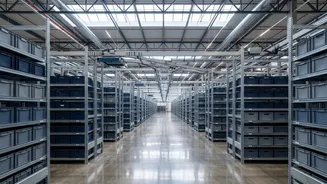
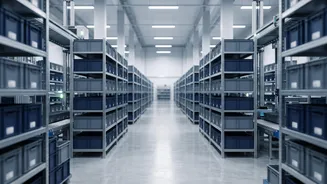
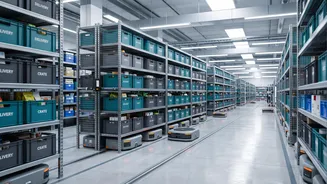
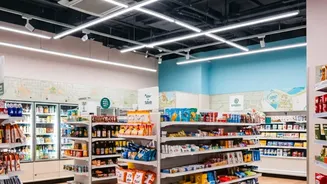
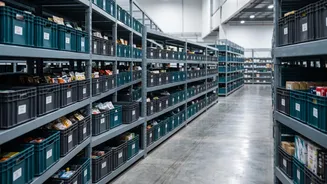
Think of a dark store as a supermarket that you can't enter. These small, neighbourhood-level warehouses are designed exclusively for fulfilling online orders. They are called 'dark' because they are closed to the public, with no fancy displays or customer-facing
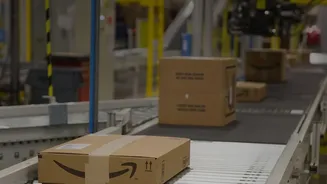
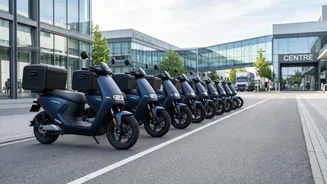
checkout counters. Instead, their layouts are optimised for one thing: speed. Workers, known as pickers and packers, navigate aisles of strategically stocked goods—from milk and bread to electronics and cosmetics—to assemble orders in minutes. These orders are then handed off to a fleet of delivery partners waiting to rush them to their final destination, usually within a tight 2-3 kilometre radius. This hyperlocal model is the backbone of quick commerce, making 10-minute delivery a reality.
Bengaluru: India's Dark Store Capital
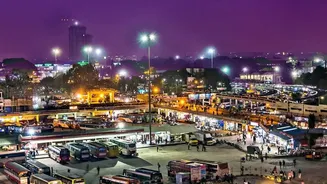
Bengaluru has become the undisputed epicentre of India's quick-commerce race. The city is home to over 629 dark stores, more than any other major metro like Delhi or Mumbai. This accounts for over 11% of the entire country's dark store network, a remarkable concentration in a single city. All five major national players—Blinkit, Zepto, Swiggy Instamart, Flipkart Minutes, and BigBasket—are locked in intense competition here. Blinkit leads with 165 stores, but Zepto is close behind with 159, while home-grown Swiggy Instamart leverages its deep local knowledge. This density is no accident; it is fueled by the city's tech-savvy population, high disposable income, and notoriously difficult traffic, which makes the convenience of instant delivery all the more appealing.
The New Employment Landscape
The rapid expansion of these warehouses translates directly into job creation. The quick-commerce sector in Bengaluru is estimated to generate between 6,300 and 12,600 direct dark store jobs. These roles are not just for delivery partners. Inside each dark store, a team of employees is required for smooth operations. This includes pickers and packers who assemble orders, store associates, inventory managers who handle stock, and store managers who oversee the entire facility. A typical dark store employs between 8 to 15 staff members. Beyond the warehouse, there are roles in logistics, supply chain management, category planning, and technology. With high attrition rates, the industry is estimated to need between 11,300 and 22,600 new hires annually in Bengaluru alone, making it a significant and growing employer.
Wages, Work, and Conditions
The nature of employment in quick commerce is twofold. Inside the dark stores, roles like pickers, packers, and managers are often direct employment positions, with monthly salaries ranging from ₹12,000-₹18,000 for associates to ₹30,000-₹55,000 for store managers. In contrast, delivery partners typically operate as 'gig workers' or independent contractors. Their earnings are incentive-based, tied to the number of orders they complete, and can be unpredictable due to fluctuating demand and platform fee structures. While this model offers flexibility, it has raised concerns about income instability and the lack of social security benefits like health insurance and paid leave that come with formal employment. The pressure to meet tight delivery deadlines has also led to criticism regarding worker safety on the roads.
The Broader Impact
The q-commerce boom's impact extends beyond consumers and employees. The proliferation of dark stores is reshaping commercial real estate, with logistics demand projected to surge to 75 million sq ft by 2030 across India. At the same time, it poses a significant challenge to traditional kirana stores. Reports suggest a substantial number of urban shoppers have shifted a portion of their grocery spending to delivery apps, impacting the sales of these small, family-owned shops. However, some platforms are experimenting with hybrid models, partnering with kirana stores to use them as local fulfilment hubs, suggesting a future where both models might coexist.