




Meghalaya’s Living Root Bridges
In the heart of Meghalaya, the ‘Abode of Clouds’, lies a wonder of nature and human ingenuity: the living root bridges. Forged by the Khasi tribes from the aerial roots of rubber fig trees, these structures are living, breathing pathways across torrential
streams. The most famous trek leads to the Double Decker Root Bridge near Nongriat village, a journey that descends thousands of steps through a jungle alive with the sound of insects and waterfalls. The air here is thick with moisture, and a constant, gentle mist clings to the canopy, creating an ethereal, almost prehistoric atmosphere. The trail is not just a physical challenge but an immersion into a unique ecosystem where humanity and nature are seamlessly intertwined. For backpackers, it offers a perfect blend of challenging hike, cultural immersion, and otherworldly beauty. Pack light but carry a reliable raincoat; the mist here often turns into a drizzle without warning.
Sikkim’s Goecha La Trek
For those seeking high-altitude adventure, the Goecha La trek in Sikkim is an unforgettable expedition. While the ultimate reward is a staggering, up-close view of the Kanchenjunga massif, the journey itself is what captures the imagination. The trail winds through the Kanchenjunga National Park, a UNESCO World Heritage Site. After leaving the village of Yuksom, trekkers enter a world of dense rhododendron and oak forests. In the spring, these woods are ablaze with colour, but they are most enchanting when the mist rolls in. Walking through these silent, cloud-enveloped forests feels like a pilgrimage. Key points like Tshoka and Dzongri are often shrouded in fog, offering fleeting, dramatic glimpses of the snow-capped peaks beyond. The trek culminates at the viewpoint of Goecha La, but the memories of misty mornings spent navigating ancient forests are just as powerful. Acclimatisation is crucial, so plan your itinerary with buffer days.
West Bengal’s Neora Valley
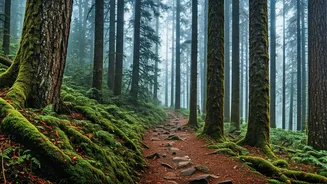
Often overlooked, Neora Valley National Park in the Kalimpong district of West Bengal is one of the last remaining pristine wildernesses in Eastern India. Its trails are less defined, its forests more wild, offering a raw, unfiltered trekking experience. This is not a place for casual walkers; it’s for the serious backpacker looking for solitude and a true sense of exploration. The park’s virgin forests are a treasure trove of biodiversity, and it’s one of the best places to spot the elusive Red Panda in its natural habitat. The trails climb through dense bamboo groves and moss-laden trees, with visibility often reduced by thick fog that blankets the valley. The feeling of being completely isolated, with only the sounds of the forest for company, is both humbling and exhilarating. Due to the unmarked paths and challenging terrain, hiring an experienced local guide is not just recommended, but essential for a safe journey.
Arunachal’s Talle Valley
Arunachal Pradesh remains one of India’s most unexplored frontiers, and the Talle Valley Wildlife Sanctuary trek is the perfect testament to its wild heart. Connecting the towns of Ziro and Hong, this trek takes you deep into a valley known for its dense, subtropical forests and rich biodiversity, including countless species of ferns, orchids, and bamboo. The ‘Apatani cultural landscape’ of Ziro Valley itself is a sight to behold, but the real adventure begins on the trail. It is a moderately difficult trek that is often made more challenging by the weather. A persistent mist hangs over the valley, creating a mysterious and silent world. Trekkers navigate through thick vegetation and cross small streams, feeling utterly removed from civilization. It’s an ideal escape for those who find peace in raw, untamed nature. Remember that both Inner Line Permits (for Indian citizens) and Protected Area Permits (for foreign nationals) are required to enter Arunachal Pradesh, so advanced planning is key.