




The Court's Landmark Directive
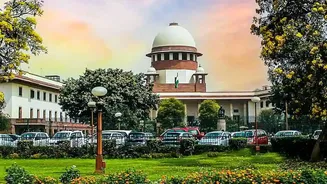
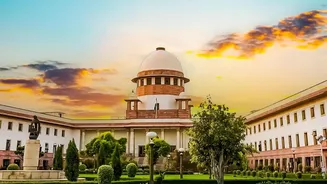
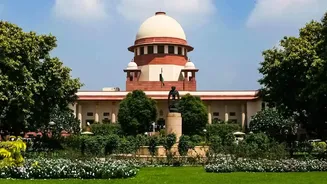
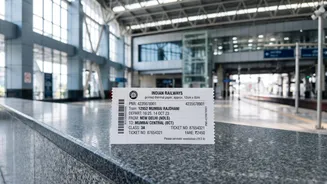
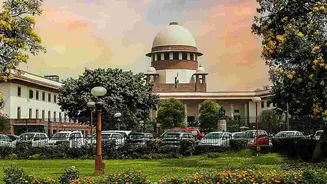
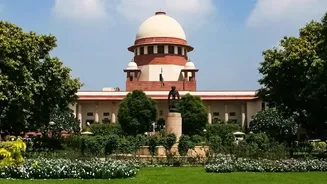
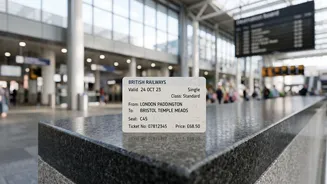
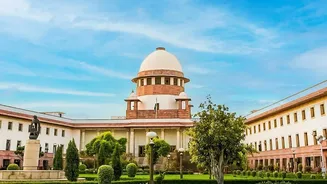
In a significant ruling on October 6, 2026, the Supreme Court of India ordered Indian Railways to extend travel insurance coverage to all passengers, including those who buy tickets from physical counters at railway stations. Until now, this low-cost
insurance was an optional facility available only to those booking tickets online through the IRCTC portal. The court has set a firm deadline of October 27, 2026, for the implementation of this order, making it mandatory for all tickets sold to be covered by insurance in the same way as online tickets. The bench made it clear that the Railway Board would be held directly responsible for any failure to comply.
A Push for Equal Access
The court's decision was driven by the principle of equality. The case arose from a plea filed after the tragic Balasore train accident in June 2023, which killed 296 people and brought railway safety into sharp focus. The court observed that it had given authorities ample time to create a system for passengers who buy tickets offline but had seen no substantial progress. It highlighted that a large number of travellers, particularly from lower socio-economic strata and remote areas, still rely on ticket counters and were being unfairly excluded from this safety net. By restricting the insurance option to online users, the Railways was creating a discriminatory practice, which the court has now moved to correct.
What the Insurance Typically Covers
The optional travel insurance offered by IRCTC has been in place since 2016 for a nominal premium, currently just 45 paise per passenger. While the exact terms for the newly mandated universal coverage are yet to be detailed, the existing scheme provides a useful benchmark. The policy generally covers death and permanent total disability with a sum of up to ₹10 lakh. It also includes coverage for permanent partial disability (up to ₹7.5 lakh), hospitalisation expenses for injuries (up to ₹2 lakh), and the transportation of mortal remains (₹10,000). This financial protection is separate from and in addition to any compensation the railways are liable to pay under the Railways Act of 1989.
What This Means for Passengers
This ruling is a major win for passenger rights. It ensures that every traveller, regardless of whether they are tech-savvy or prefer buying tickets in person, has access to the same financial protection in case of an accident or other untoward incident. For millions who do not book online, this is the first time they will have this automatic safeguard. While some reports suggest the coverage will now be mandatory for all tickets, it remains to be seen how the Railways will implement this – whether as an automatic inclusion in the ticket price or as a mandatory 'opt-out' feature at counters. The court's order puts the onus squarely on the Railway Board to ensure a seamless and non-discriminatory rollout.
A Broader View on Rail Safety
The Supreme Court's intervention was not limited to just insurance. The directive was part of a wider examination of railway safety measures that the court took up following the Odisha tragedy. During the proceedings, the bench has also scrutinised issues like the slow implementation of the 'Kavach' anti-collision system, the construction of foot overbridges, and the fencing of railway tracks to prevent accidents. The court's strong stance and the threat of holding the Railway Board leadership accountable signals a new level of judicial oversight on passenger safety, moving beyond mere assurances to demand concrete action on the ground.