




Why a Visual Wardrobe Works
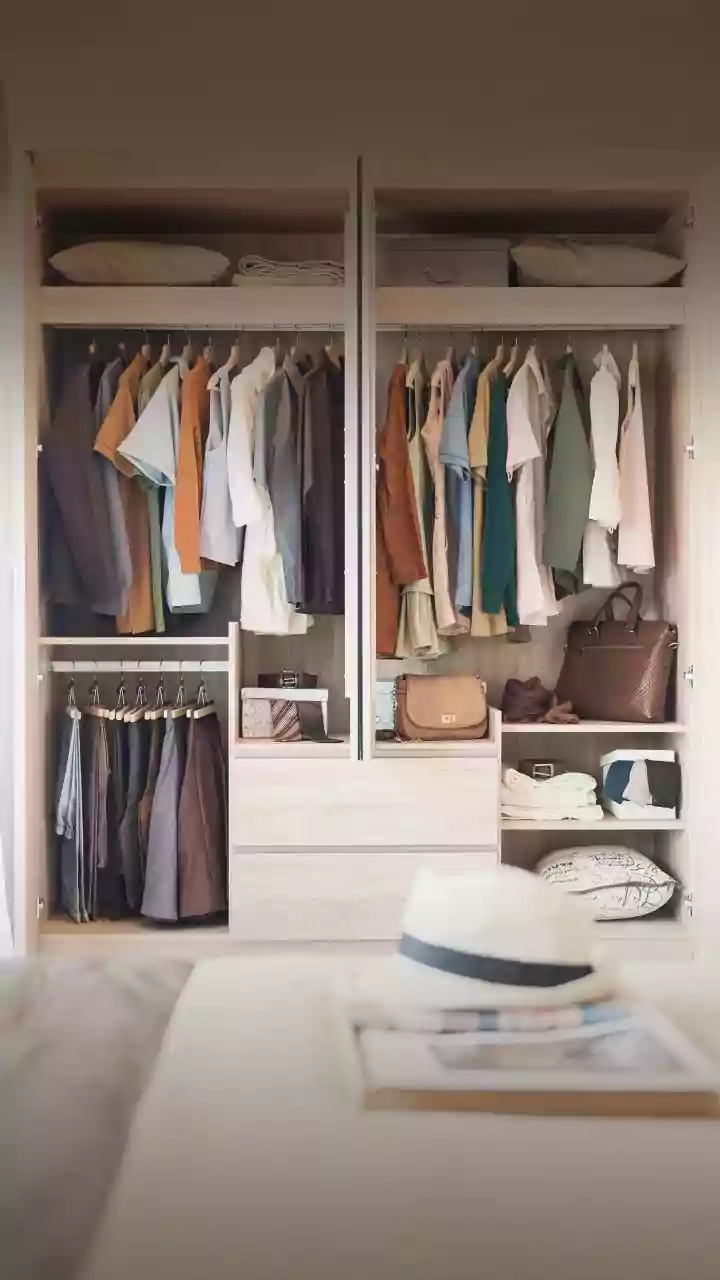
The core problem many of us face in the morning isn't a lack of clothes, but decision fatigue. Staring at dozens of individual garments requires your brain to make a series of small, rapid-fire choices that quickly become exhausting. Famous figures like
the late Steve Jobs and Barack Obama famously adopted 'uniforms' to eliminate this daily hurdle. Photographing your outfits serves a similar purpose, but without limiting you to a single look. Creating a visual catalogue of pre-approved, successful combinations turns the abstract mess of your closet into a clear, actionable menu of choices. A photo offers an objective perspective that a mirror can't. It allows you to see the proportions, colour combinations, and overall silhouette of an outfit with fresh eyes, helping you understand what truly works for your body and style.
Step 1: The Photo Session
The first step is to start documenting. You don’t need to photograph your entire wardrobe in one marathon session. Instead, make a habit of snapping a quick picture whenever you wear an outfit you feel good in. For a more dedicated approach, set aside an hour to try on and photograph several combinations. For the best results, find a spot with good, natural light and a clean background. A full-length mirror selfie works perfectly well. Some stylists suggest cropping the photo to focus solely on the clothes, removing the distraction of your expression or a messy room. This simple shift in mindset—from taking a 'selfie' to capturing a 'working photo'—can make the process feel more practical than vain. The goal is to create a clear reference image that you can consult later.
Step 2: Curate and Organize Your Looks
Once you have a handful of photos, you need a system to organize them. The simplest method is to create a dedicated album on your phone. You can create sub-folders for different occasions like 'Work', 'Weekend', 'Evenings Out', or 'Travel'. For those who want more features, a host of digital wardrobe apps are available. Apps like Stylebook, Whering, and Indyx allow you to catalogue individual items, build outfits, create packing lists, and even track how often you wear each piece. Some newer apps even use AI to automatically remove photo backgrounds for a cleaner look or suggest new combinations. The best tool is the one you will consistently use, so whether it's a simple photo album or a feature-packed app, choose what feels most intuitive for you.
Step 3: Integrate It into Your Routine
A digital lookbook is only useful if you use it. Get into the habit of consulting your photo album the night before a busy day or first thing in the morning. Instead of rummaging through hangers, you can scroll through your curated collection of outfits that are already proven winners. This simple habit transforms your morning routine from a stressful scramble into a calm, confident choice. It’s also an invaluable tool for packing. When preparing for a trip, you can scroll through your lookbook to select versatile outfits, ensuring you pack only what you need without forgetting key pieces.
Evolving Your Personal Style Diary
Your digital lookbook is more than just a time-saving tool; it's a living document of your personal style. Over time, you'll start to notice patterns. You'll see which pieces you gravitate towards most often and which ones never seem to make the cut. This 'style diary' provides powerful data. It helps you identify the true staples in your wardrobe, making it easier to let go of things you never wear. It also informs future shopping decisions. Before you buy something new, you can consult your lookbook to see if it complements your existing favourites and fills a genuine gap. This mindful approach helps you avoid impulse buys and build a more cohesive, functional, and joyful wardrobe.