
The Power of Cruciferous Vegetables
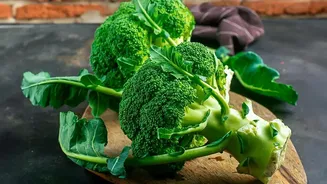
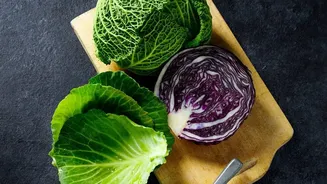
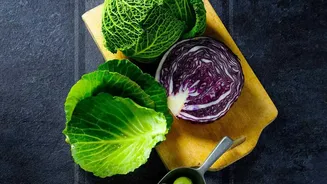
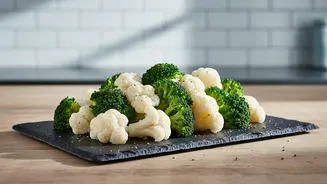
First, let's appreciate the vegetables in question. The cruciferous family—which includes broccoli, cauliflower, cabbage, and Brussels sprouts—is celebrated for its impressive nutritional profile. These vegetables are packed with vitamins, fibre, and,
most notably, powerful antioxidants. One of the star compounds is a group called glucosinolates. When we chop or chew these vegetables, an enzyme called myrosinase converts glucosinolates into isothiocyanates, such as sulforaphane. These compounds are believed to have significant health-promoting and anti-inflammatory properties, making these veggies a crucial part of a healthy diet. But reaping their full benefits depends heavily on how they make it from the cutting board to your plate. The cooking process can either preserve these delicate compounds or significantly diminish them.
The Impact of High-Heat Stir-Frying
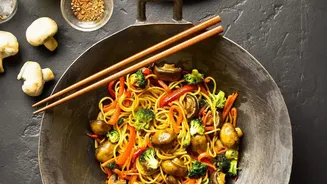
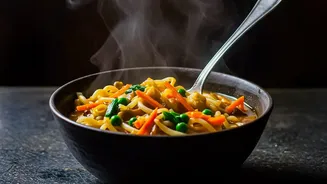
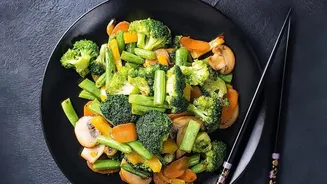
Stir-frying is a beloved cooking technique, prized for its speed and ability to create delicious, crisp-tender vegetables. By tossing chopped vegetables in a hot, lightly oiled pan, you can achieve great flavour and texture. However, the high temperatures involved in traditional stir-frying can be harsh on certain nutrients. Studies show that high-heat methods can lead to a substantial loss of water-soluble vitamins, like Vitamin C. More importantly for cruciferous vegetables, the extreme heat can damage both the glucosinolates and the myrosinase enzyme required to activate them. While a quick stir-fry is better than prolonged boiling, significant losses of these key antioxidants are an unavoidable consequence of the high heat. One study showed that stir-frying broccoli resulted in a notable loss of Vitamin C and was one of the cooking methods with the highest loss of total glucosinolates.
The Gentle Strength of Steaming
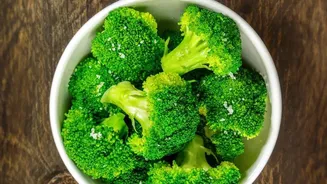
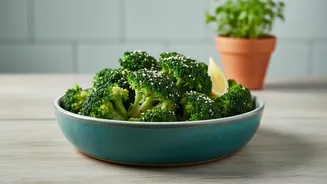
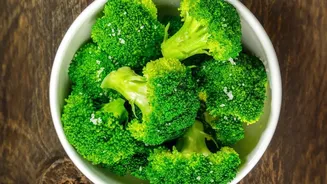
Steaming, on the other hand, is a much gentler process. Vegetables are cooked by the hot vapour from boiling water, without being submerged in it. This fundamental difference is key to nutrient preservation. Because the vegetables don't come into direct contact with the cooking water, water-soluble vitamins like Vitamin C are not leached out. Research has consistently shown that steaming is the best cooking method for retaining the nutritional integrity of cruciferous vegetables. Studies on broccoli, for instance, found that steaming caused no significant loss of Vitamin C and was the best method for preserving glucosinolates when compared to microwaving, boiling, and stir-frying. The heat from steaming is sufficient to make the vegetables tender and palatable, but gentle enough to keep their valuable antioxidants largely intact.
The Verdict: Why Steam Comes Out on Top
The science is clear: when the goal is to maximize antioxidant intake from cruciferous vegetables, steaming holds a distinct advantage over high-heat stir-frying. The primary reason is two-fold: it prevents the leaching of water-soluble nutrients and it avoids the extreme temperatures that degrade heat-sensitive compounds like glucosinolates and the myrosinase enzyme. In fact, some research suggests that a short steaming time of three to five minutes can be ideal. This brief window of heat is enough to soften the vegetable's structure while preserving the myrosinase enzyme, potentially even enhancing the formation of beneficial sulforaphane. Boiling and high-heat stir-frying, in contrast, can quickly destroy this delicate enzyme, preventing the conversion of glucosinolates into their most beneficial form.
Getting the Best of Both Worlds
This doesn't mean you have to give up your wok forever. Flavour and enjoyment are crucial for maintaining a healthy diet. If you love the taste of stir-fried vegetables, you can adapt your technique. Try a 'steam-fry' method by adding a few tablespoons of water to the pan and covering it for a minute or two to allow the vegetables to steam before you finish them with a quick stir-fry over moderate heat. This reduces the cooking time and exposure to high, dry heat. Alternatively, you can lightly steam your vegetables first and then toss them in the wok for the final minute of cooking to add flavour. The most important takeaway is to avoid overcooking. Whether you steam or stir-fry, aim for a bright, tender-crisp texture, as this is often a sign that many of the nutrients have been preserved.