




The Science of a Bodily Rhythm
Our bodies operate on an internal 24-hour clock known as the circadian rhythm. This natural cycle influences everything from our sleep-wake patterns to hormone release. In the morning, our bodies naturally produce higher levels of cortisol, a hormone that
promotes wakefulness and energy. This makes the morning an ideal time for activities that boost alertness and set a positive tone for the day. Conversely, as evening approaches, our bodies prepare for rest. Engaging in calming activities helps activate the parasympathetic nervous system—our 'rest and digest' mode—which lowers stress and prepares us for a restorative night's sleep.
Morning Practice: Awaken and Energise
A morning yoga practice works in harmony with your body’s natural energy surge. Dynamic movements, deep stretches, and mindful breathing help to increase circulation, awaken stiff muscles, and sharpen mental focus. Starting your day this way can kickstart your metabolism, improve your mood by releasing endorphins, and cultivate a sense of groundedness before the day's demands begin. Many find that a consistent morning routine also fosters discipline and provides a moment of personal time before the world gets busy.
Energising Morning Asanas
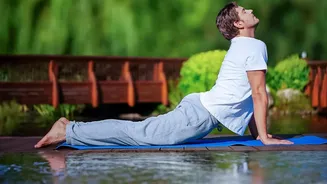
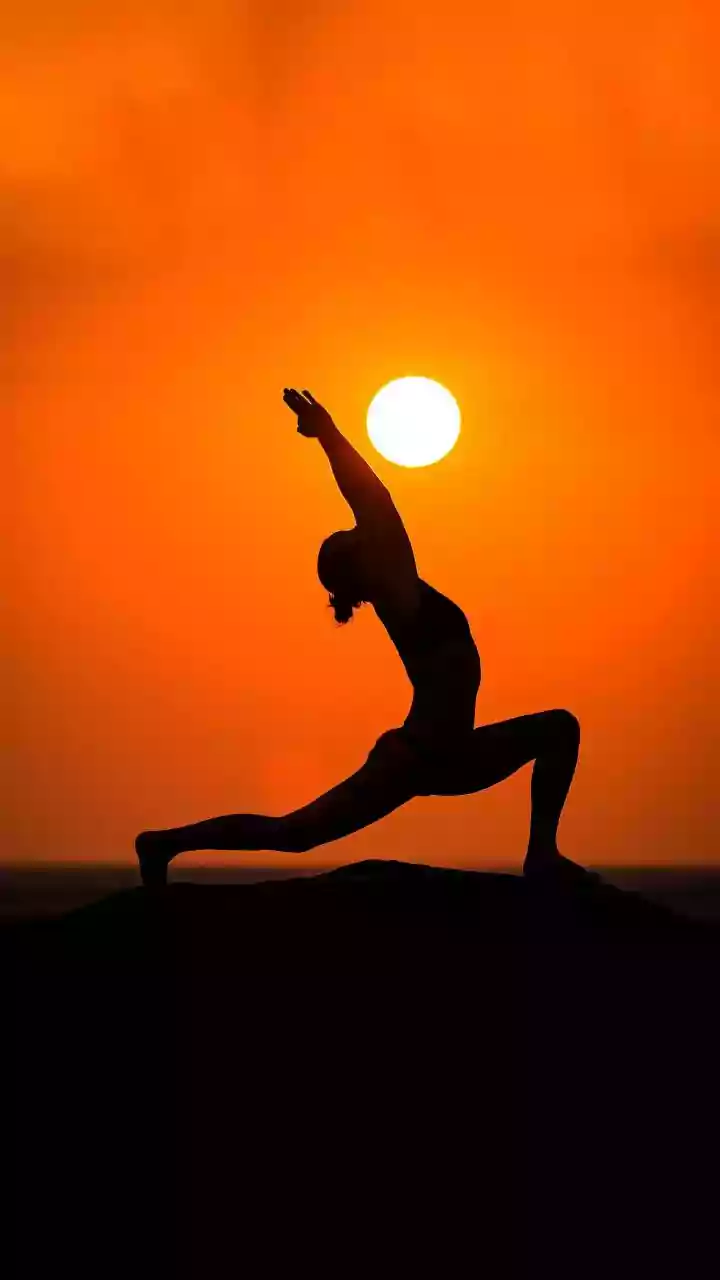
To tap into this morning vitality, focus on asanas that open the body and build gentle heat. Surya Namaskar (Sun Salutation) is a classic sequence that warms up the entire body and links breath to movement. Poses like Virabhadrasana II (Warrior II) build strength and focus, opening the hips and chest. Marjaryasana-Bitilasana (Cat-Cow Stretch) is excellent for waking up the spine and releasing any stiffness from sleep. Meanwhile, backbends like Bhujangasana (Cobra Pose) are fantastic for boosting energy and opening the heart space. Even a few rounds of these poses can significantly shift your energy for the day ahead.
Evening Movement: Unwind and Release
As the day winds down, the goal of movement shifts from activation to relaxation. An evening practice is an opportunity to shed the stress accumulated throughout the day. Gentle, meditative movement can help lower cortisol levels, quiet a racing mind, and release physical tension held in the neck, shoulders, and hips. The common myth that evening exercise disrupts sleep has been largely debunked; in fact, low-to-moderate intensity movement can improve sleep quality for most people by promoting relaxation. This wind-down ritual signals to your body and mind that it's time to transition toward rest.
Calming Evening Stretches
Your evening routine should be soothing and gentle. Focus on restorative poses and deep breathing. Janu Sirsasana (Head-to-Knee Pose) provides a gentle hamstring and back stretch. Ananda Balasana (Happy Baby Pose) is wonderful for releasing tension in the hips and lower back. One of the most effective restorative poses is Viparita Karani (Legs-Up-The-Wall Pose), which calms the nervous system and encourages circulation. Finally, Supta Matsyendrasana (Supine Spinal Twist) helps release tension in the spine and internal organs, preparing you for deep rest. Holding these poses for longer periods with a focus on slow, steady breathing is key.
Listen to Your Body
While these guidelines are based on our natural biological rhythms, the most important rule is to listen to your own body. Some people may find a gentle morning stretch is all they need, while others might benefit from a brisk walk in the evening. There is no one-size-fits-all answer. Experiment with different types of movement at different times of the day to discover what makes you feel your best. The goal is to create a sustainable practice that nourishes both your body and your mind, regardless of when you choose to do it. Consistency and self-awareness are more important than adhering to a rigid schedule.