


Artemis: A New Era on the Moon
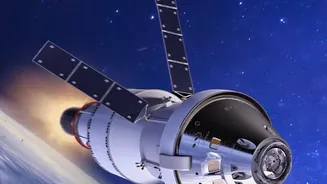
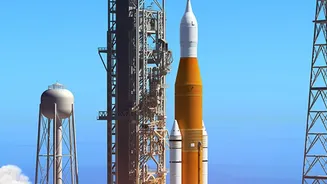
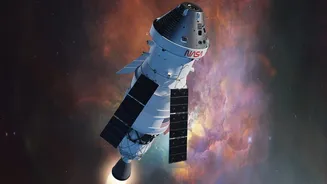
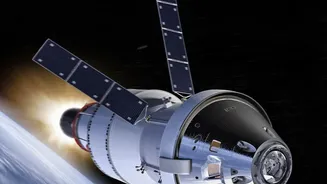
The centrepiece of NASA's current ambitions is the Artemis program, a multi-stage effort to return humans to the Moon. After the successful uncrewed Artemis I test flight in 2022 and the crewed Artemis II lunar flyby in April 2026, the agency is now deep
in preparation for the next phases. Unlike the Apollo missions of the 20th century, the goal is not just to visit, but to stay. Artemis III, planned for 2027, will be a crucial demonstration mission, testing the rendezvous and docking capabilities between the Orion spacecraft and new commercial human landing systems from partners like SpaceX and Blue Origin in low-Earth orbit. This paves the way for Artemis IV, which targets the first crewed lunar landing of the program in 2028. The long-term vision is to establish a permanent base camp on the lunar surface and a supporting Gateway outpost in lunar orbit. This will not only create a new arena for scientific research but also aims to kickstart a lunar economy, using the Moon as a proving ground for the technologies needed to eventually send astronauts to Mars.
The Search for Life Beyond Earth
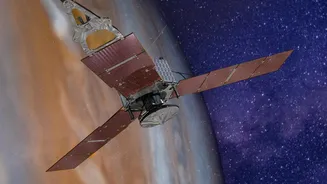
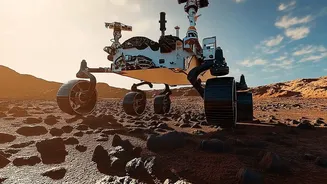
While putting boots back on the Moon is a major focus, NASA is simultaneously looking further afield for signs of life. One of the most exciting missions is Europa Clipper, which launched in October 2024 and is currently en route to Jupiter. Its destination is Jupiter's moon Europa, which is believed to hide a vast liquid water ocean beneath its icy shell—potentially containing twice as much water as all of Earth's oceans combined. Arriving in 2030, Europa Clipper will perform dozens of close flybys, using a suite of advanced instruments to confirm the ocean's existence, analyze the ice shell's composition, and hunt for potential energy sources that could support life. Closer to home, the quest to understand Mars continues, though with some recent strategic shifts. The ambitious Mars Sample Return (MSR) mission, which aimed to bring back rock samples collected by the Perseverance rover, was overhauled due to ballooning costs. While the original plan has been reshaped, NASA is actively exploring alternative, lower-cost architectures to retrieve these invaluable samples, with a final decision expected in late 2026. These samples could hold definitive proof of whether microbial life ever existed on the Red Planet.
New Eyes on the Universe
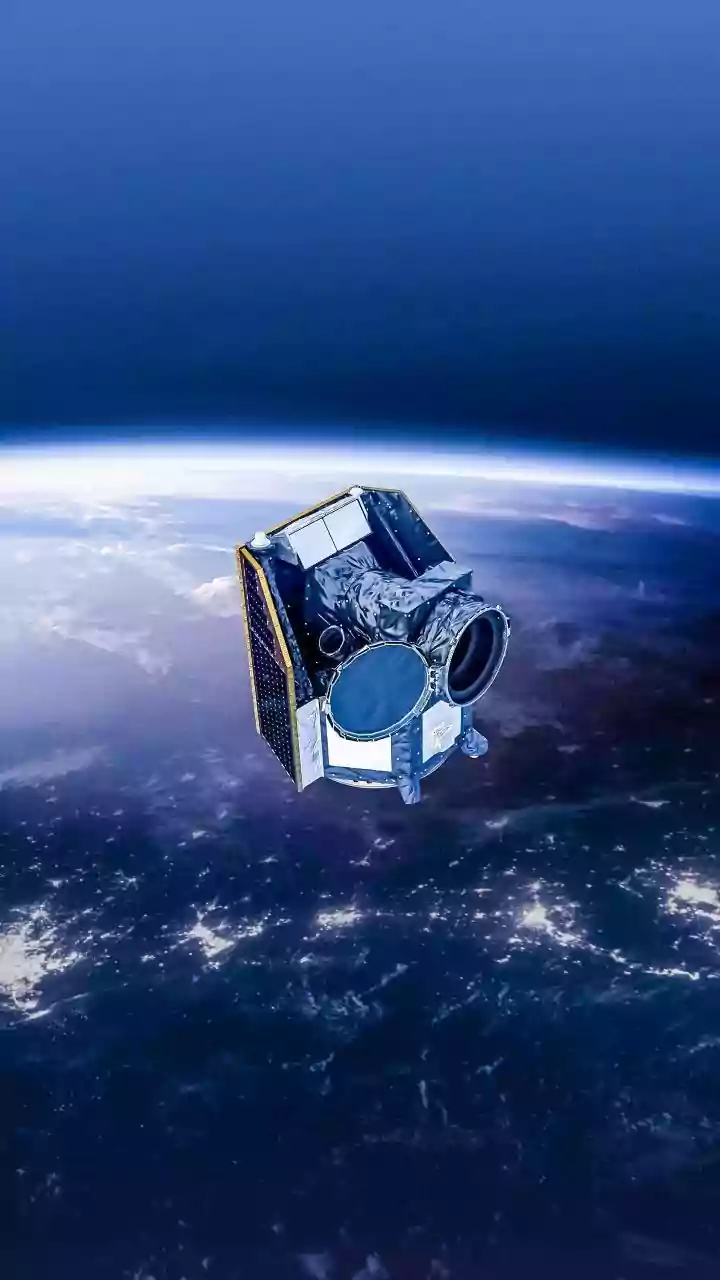
Following the revolutionary success of the James Webb Space Telescope (JWST), NASA is already preparing its next generation of cosmic observatories. The Nancy Grace Roman Space Telescope is scheduled to launch on August 30, 2026. While its mirror is the same size as Hubble's, Roman's camera has a field of view 100 times wider, allowing it to map vast stretches of the sky with incredible speed and detail. This capability will be crucial for tackling some of the biggest mysteries in cosmology, such as the nature of dark energy and the distribution of dark matter. It will also survey our galaxy for thousands of new exoplanets. Looking even further ahead, NASA is in the early planning stages for a future flagship telescope to launch in the 2040s. Tentatively called the Habitable Worlds Observatory, its primary goal would be to directly image Earth-like planets around other stars and scan their atmospheres for biosignatures—the chemical hints of life.
The Technology Driving a Space Economy
Underpinning all these missions is a quiet revolution in space technology, much of it developed in partnership with the commercial sector. NASA is increasingly relying on private companies for everything from launching cargo and crew to developing lunar landers and life support systems. This strategy is intended to drive down costs, accelerate innovation, and foster a self-sustaining commercial economy in low-Earth orbit and beyond. Recent advancements are not just about rockets. NASA's Starling mission, for example, is testing autonomous swarm technologies, allowing groups of small satellites to coordinate their actions without direct control from the ground. The agency is also investing in dozens of new technologies, from advanced solar power generation for lunar outposts to systems that protect equipment from abrasive Moon dust. These innovations are not only critical for future exploration but also have the potential to spin off into new applications and industries back on Earth.