




Dreaming of a lush, tropical paradise in your own backyard? The secret often lies in bold foliage. Enter Calathea lutea, a stunning plant whose large, paddle-like leaves can instantly transform any space into a green sanctuary.
Meet the 'Cigar Plant'
While its botanical name
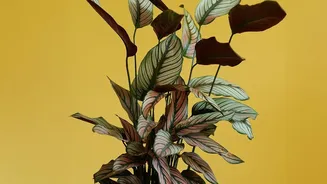
is Calathea lutea, this plant is more famously known by nicknames like the 'Cigar Calathea' or 'Pampano'. These names are inspired by its unique, cigar-shaped flower bracts, which emerge in shades of brown and red with small yellow flowers inside. Native to the tropical Americas, this plant is primarily celebrated not for its flowers, but for its magnificent leaves. These leaves are broad, paddle-shaped, and can grow quite large, creating a dramatic, architectural statement. The tops are a vibrant green, while the undersides often have a silvery, waxy coating that protects them. This waxy layer has even been traditionally used by local communities in its native habitat.
The Allure of Broad Leaves
In garden design, plants with large leaves like the Calathea lutea are invaluable for creating a sense of fullness and a jungle-like feel. Their broad surfaces catch the light differently than finer-leafed plants, adding texture and depth to a garden bed. They serve as a perfect 'living wall' or backdrop, making smaller, more colourful flowers in front of them pop. Furthermore, their large canopy can provide gentle, filtered shade for smaller plants growing underneath that might not tolerate direct sun, creating a multi-layered, thriving ecosystem in your garden. This ability to anchor a space and provide structure makes them a favourite for landscape design.
Growing Calathea Lutea in India
Calathea lutea is well-suited to many Indian climates, especially in coastal areas, as it thrives in warmth and humidity. The ideal temperature range is between 18°C and 30°C. It prefers bright, indirect sunlight. Too much harsh, direct sun can scorch its beautiful leaves, so a spot with filtered light, like an east-facing balcony or under the canopy of a larger tree, is perfect. The key to a happy Calathea lutea is consistent moisture. The soil should be kept moist but never waterlogged, as this can lead to root rot. It is a good practice to water when the top inch of soil feels dry. During hot Indian summers, you may need to water more frequently, while you can reduce it during the monsoon when humidity is naturally high. Using filtered or rainwater can also prevent the leaf tips from turning brown, as Calatheas can be sensitive to minerals in tap water.
Design, Placement, and Potting
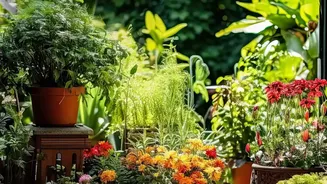
Thanks to its upright growth habit, Calathea lutea works wonderfully as a background plant in garden beds, adding height and a lush green canvas behind other flowering shrubs. It is also an excellent choice for creating a natural privacy screen along a fence or wall. For those with limited space, it grows beautifully in large containers on patios, balconies, or even indoors, provided it gets enough light and humidity. When potting, choose a container with good drainage holes and use a well-draining, rich soil mix. A combination of garden soil, compost, and cocopeat works well to retain moisture while preventing waterlogging. Because of its robust rhizome system, the plant is quite resilient; even if leaves get damaged, the plant can regrow from its base if kept in good conditions.
Simple Care for Lasting Beauty
This plant is considered relatively low-maintenance once its core needs are met. To keep it looking its best, simply prune any dead or yellowing leaves at their base. To boost growth during the spring and summer, you can feed it with a balanced liquid fertiliser once a month, but avoid overstertilising in winter when growth naturally slows. High humidity is crucial for keeping the leaves lush and preventing crispy edges. In drier parts of India or during dry winter months, you can increase humidity by misting the leaves regularly, grouping it with other plants, or placing the pot on a tray of pebbles with water. Wiping the leaves with a damp cloth will also keep them clean and glossy, allowing them to photosynthesise effectively.