




Your Wallet Will Thank You
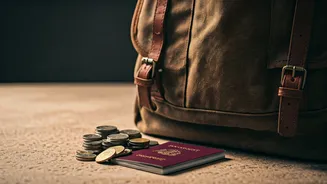
The number one reason Azerbaijan is surging in popularity is its remarkable affordability. For a generation burdened with student loans, the financial barrier to international travel is very real. While a trip to Paris or London can drain savings in days,
Azerbaijan offers a European-adjacent experience for a fraction of the cost. A backpacker can comfortably get by on $30-$40 a day. A dorm bed in a clean, social hostel in the capital, Baku, can be found for as little as $10 a night. A delicious, filling meal of kebabs or a hearty stew like piti might set you back just $5. Even the metro in Baku is absurdly cheap—a single ride costs less than 25 cents. This ultra-low cost of living means you can stay longer, do more, and experience the culture deeply without constantly checking your bank balance.
Baku: Where Sci-Fi Meets the Silk Road
Azerbaijan’s capital, Baku, is a city of stunning contrasts. On one hand, you have the futuristic skyline dominated by the Flame Towers, three skyscrapers that light up with mesmerizing LED displays of fire and the national flag each night. Nearby, the Heydar Aliyev Center, a fluid, wave-like structure designed by the legendary Zaha Hadid, looks like it was dropped from another planet. But just a short walk away, you can step back in time by entering the walls of the Icherisheher, Baku’s medieval Old City. This UNESCO World Heritage site is a maze of narrow alleyways, ancient mosques, historic caravanserais (roadside inns), and the iconic Maiden Tower. It’s this blend of hyper-modern ambition and deep, tangible history that makes Baku so compelling. You can spend your morning exploring a 12th-century palace and your evening sipping cocktails at a rooftop bar overlooking a city of light.
Get Out of the City, See Fire and Mud
The country’s nickname is the “Land of Fire,” and it delivers on that promise. One of the most unique day trips from Baku is to Yanar Dag, a natural gas fire that has been blazing continuously on a hillside for centuries. It’s a surreal sight, especially at dusk. Just as bizarre are the country’s famous mud volcanoes. Azerbaijan is home to nearly half of the world's mud volcanoes, and the landscape around Gobustan National Park feels truly otherworldly. Here, small volcanoes bubble and burp up cold, mineral-rich mud. For the adventurous, it’s a bizarre and unforgettable experience. These natural wonders provide the kind of unique, off-the-beaten-path stories that new graduates are eager to collect—and they make for incredible photos that stand out from the typical Eiffel Tower selfies.
A True Cultural Crossroads
Situated between Europe and Asia, Azerbaijan has been a melting pot of cultures for millennia. You can feel the blend of Persian, Turkic, and Russian influences everywhere. This is visible in the architecture, tasted in the food, and heard in the music. Unlike more homogenous European destinations, Azerbaijan offers a chance to experience something genuinely different. The legacy of the Soviet era is still visible, but it's layered with a deep-seated Turkic heritage and a history tied to Zoroastrianism and the Persian Empire. This cultural fusion makes for a rich and educational travel experience, offering a glimpse into a part of the world many Americans know little about. Locals are often curious and welcoming to travelers, adding another layer of warmth to the journey.
The Food Is a Destination Itself
Get ready to eat—a lot. Azerbaijani cuisine is a highlight of any trip. The star of the show is plov (pilaf), a saffron-infused rice dish served with everything from lamb and chestnuts to dried fruits and herbs. Dolma (vegetables or grape leaves stuffed with minced meat and rice) is a must-try, as are the countless varieties of kebabs grilled to perfection. For a taste of local life, pop into a small cafe for a breakfast of fresh bread, white cheese, honey, and perfectly brewed black tea served in traditional pear-shaped glasses. The food is flavorful, rooted in fresh ingredients, and, best of all, incredibly affordable. You can feast like royalty on a pauper’s budget, sampling dishes that tell the story of the country’s rich agricultural landscape and cultural history.