








Secure Your Yatra Permit Early
The first and most crucial step is registering for the Yatra Permit. The Shri Amarnathji Shrine Board (SASB) manages this process, which can be done online via their official website or offline through designated bank branches. For the 2026 Yatra, registrations
typically open in April on a first-come, first-served basis. Pilgrims must be between 13 and 70 years old. Given the daily quotas for each route, slots fill up fast, so early registration is key to securing your preferred travel dates. The process requires your Aadhaar details, a photograph, and a mandatory health certificate. You will also need to collect a Radio-Frequency Identification (RFID) card, which is compulsory for tracking and safety.
Health and Fitness are Non-Negotiable
The trek to the holy cave, situated at an altitude of 3,888 metres (12,756 feet), is physically demanding. A Compulsory Health Certificate (CHC) from an SASB-authorised doctor or hospital is mandatory for every pilgrim, including those using helicopter services. For the 2026 pilgrimage, the CHC must be issued on or after April 8, 2026. It's essential to start preparing your body at least a month in advance. Brisk walking for 4-5 kilometres daily, practicing deep breathing exercises, and acclimatising for a day or two at the base camp can significantly help your body adjust to the lower oxygen levels at high altitudes. Avoid smoking, alcohol, and caffeine, as they can interfere with acclimatisation.
Choose Your Route: Pahalgam or Baltal
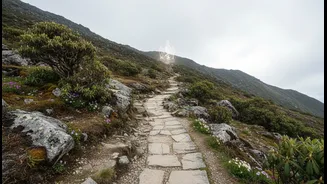
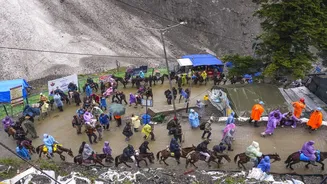
There are two primary routes to the Amarnath cave: the traditional Pahalgam route and the shorter Baltal route. The Pahalgam route is longer, spanning about 46-48 kilometres, and typically takes 3-5 days to complete. It's known for its scenic beauty and gradual ascent, making it more suitable for families and first-time pilgrims. The Baltal route is much shorter, around 14 kilometres one-way, but is considerably steeper and more challenging, usually completed in 1-2 days. This route is often preferred by younger, physically fit pilgrims who are short on time. Helicopter services are also available for parts of both routes, dropping pilgrims at Panjtarni, from where the cave is a few kilometres trek.
Pack Smartly and Lightly
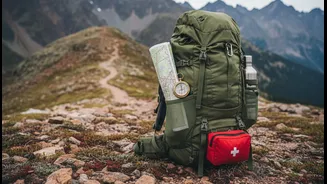
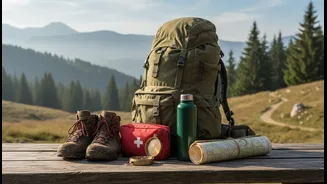
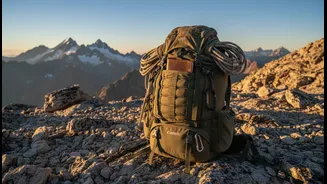
Packing the right gear is essential, but it's equally important to pack light. Your backpack should contain warm clothing that can be layered, such as thermal wear, fleece jackets, and woollen sweaters, as temperatures can drop below freezing. Waterproof jackets and trousers are a must, as the Himalayan weather is unpredictable. A good pair of sturdy, waterproof trekking shoes with excellent grip is non-negotiable. Other essentials include a first-aid kit with medications for altitude sickness, pain relievers, and bandages, along with sunscreen and a torch. Carry high-energy snacks like nuts and dried fruits, and a reusable water bottle to stay hydrated. Remember to carry cash, as digital payments may not be available on the remote trail.
During the Yatra: Safety and Etiquette
Once on the trail, always follow the marked path and adhere to instructions from officials. Walk at a steady pace and take regular breaks to acclimatise. If you experience symptoms of altitude sickness like dizziness, headaches, or nausea, stop immediately, inform authorities at the nearest medical camp, and consider descending. Keep your Yatra Permit and RFID card with you at all times. Only vegetarian food is permitted, and numerous free kitchens (langars) provide meals. It's advisable to carry a post-paid mobile connection, as pre-paid services may not work in Jammu and Kashmir. Finally, respect the fragile mountain environment by not littering and keeping the path clean.