
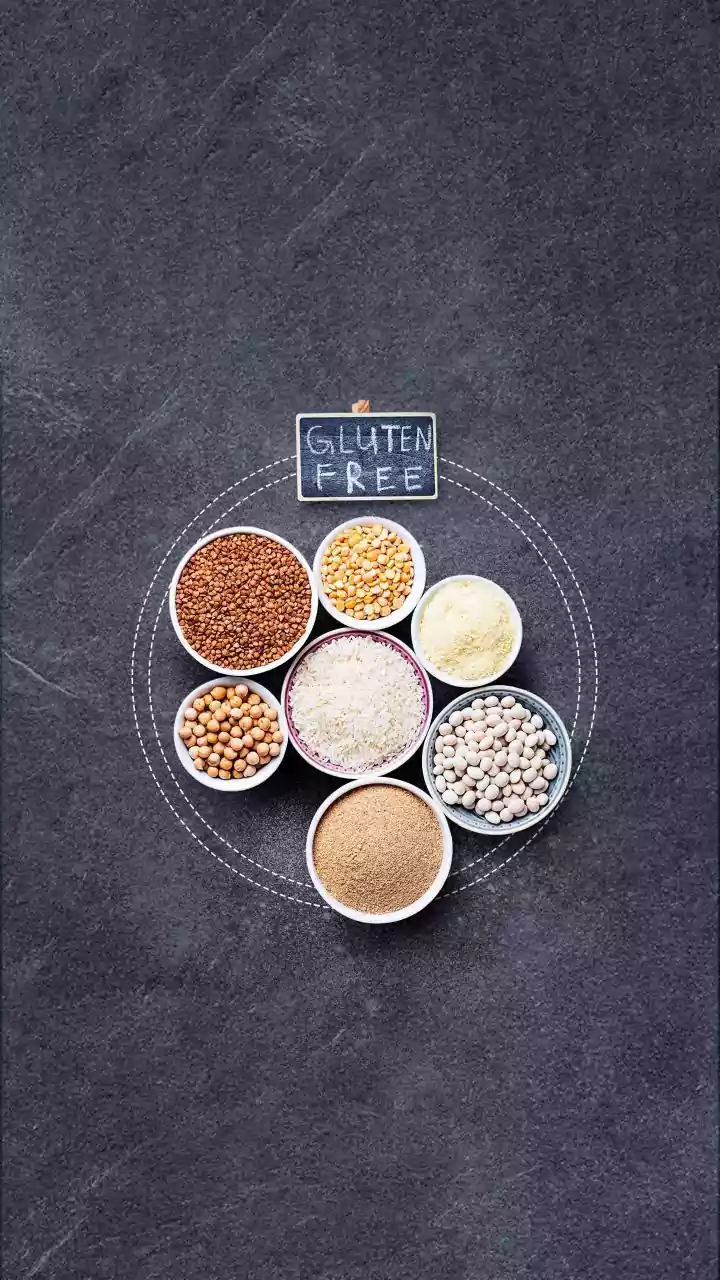







The Protein Powerhouses
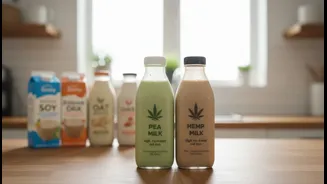
When it comes to protein, not all plant milks are created equal. Many popular choices, like almond and rice milk, contain only about one gram of protein per cup. Oat milk is slightly better, offering around 3 grams. This is where pea and hemp milk stand
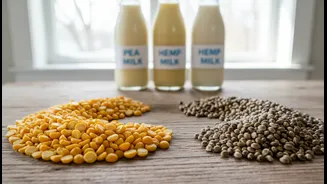
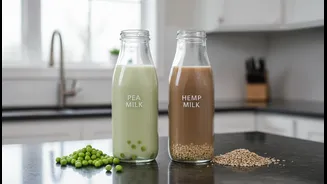
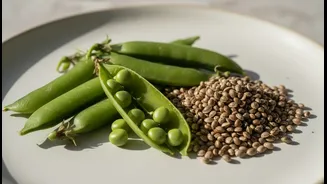
out. Pea milk, made from yellow split peas, is a frontrunner, packing around 8 grams of protein per cup, putting it on par with dairy milk and soy milk. Hemp milk, derived from hemp seeds, offers a respectable 3 to 5 grams of protein per cup, significantly more than almond milk. Furthermore, both are often considered complete proteins, meaning they provide all nine essential amino acids that the body cannot produce on its own, which is crucial for everything from muscle repair to immune function.
More Than Just Protein
Beyond their impressive protein content, these milks bring a wealth of other nutrients to the table. Hemp milk is a nutritional standout due to its high concentration of healthy fats, particularly omega-3 and omega-6 fatty acids. These are essential for brain health, reducing inflammation, and supporting a healthy heart. Hemp milk is also a source of minerals like iron, calcium, and magnesium. Pea milk is also often fortified with key nutrients like calcium and vitamin D, making it a robust alternative to dairy. Many commercial brands of both milks are low in carbohydrates and sugar-free, appealing to those managing blood sugar or following low-carb diets.
A Greener Choice for the Planet
The environmental impact of our food choices is an increasingly important factor for many consumers. Almond milk, despite its popularity, has faced criticism for its high water consumption, particularly in drought-prone regions like California where most almonds are grown. Growing almonds can require significantly more water than other crops. In contrast, peas and hemp are generally more sustainable. Peas are nitrogen-fixing crops that enrich the soil, and they typically require far less water than almonds. Similarly, hemp is a resilient plant that grows quickly without needing large amounts of water or pesticides, making it an environmentally friendly option.
The Allergen-Friendly Advantage
For millions of people with food allergies, finding a suitable milk alternative can be a challenge. Dairy, soy, and nuts are among the most common allergens. Pea and hemp milk offer a safe and reliable solution. By their nature, they are free from dairy, lactose, soy, and nuts, making them an inclusive choice for households and cafes catering to diverse dietary needs. This broad appeal is a significant driver of their growing popularity, as consumers seek out products that are both nutritious and safe for the whole family to enjoy.
Taste, Texture, and a Perfect Coffee
Of course, nutrition and sustainability mean little if the taste isn't right. Hemp milk has an earthy, nutty flavour and a creamy consistency. It performs well in both hot and cold drinks, and its healthy fat content allows it to foam nicely for coffees. Pea milk is known for its surprisingly neutral and mild flavour, with a creamy, smooth texture that many find comparable to traditional dairy. It has gained a following among baristas because it steams well, creating a stable, fine-pored foam for lattes and cappuccinos without curdling or overpowering the coffee's taste.