






Decoding the 40 Lakh Figure
First, let's understand the headline number. The 'more than 40 lakh enquiries per minute' refers to the system's new capacity to handle user requests. An 'enquiry' is not just a ticket booking; it includes a wide range of interactions such as checking
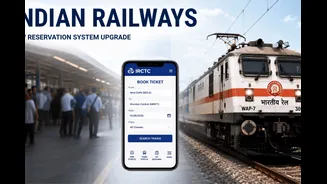
seat availability, fare details, PNR status, waitlist positions, and running status of a train. The new Passenger Reservation System (PRS), developed by the Centre for Railway Information Systems (CRIS), is engineered to handle a tenfold increase in these queries, jumping from a previous capacity of about 4 lakh to over 40 lakh per minute. This massive leap is designed to prevent the system from slowing down or crashing under the sheer weight of millions of users simultaneously checking for information, a common occurrence during festive seasons and holiday rushes.
From Enquiries to Faster Bookings
While handling enquiries is crucial for a smooth user experience, the ultimate goal is to book a ticket. The upgraded PRS delivers a monumental boost here as well. The new cloud-based platform is designed to process over 1.5 lakh ticket bookings per minute, a nearly fivefold increase from the previous system's capacity of around 32,000 tickets per minute. This is the core upgrade that passengers will feel most directly. For years, the bottleneck during the frantic opening minutes of Tatkal bookings has been a major source of frustration. By dramatically expanding the number of transactions it can handle simultaneously, the system aims to make the booking process fairer and less of a lottery.
The Tech Overhaul Explained
This isn't just a minor software update; it's a complete architectural overhaul of a system that is nearly four decades old in its origins. The previous system, while revolutionary for its time, was running on older technology that struggled to cope with modern digital demand. The new PRS is built on a cloud-enabled architecture. This allows for 'elastic scaling,' meaning the system can dynamically allocate more resources during peak periods—like the Tatkal window or a festival sale—and scale back during quieter times. This flexibility is key to providing a stable and reliable service 24/7. The phased rollout, which began in August 2026, involves gradually migrating services to the new platform to ensure a smooth transition without disrupting the world's largest railway booking platforms.
Real-World Benefits for Passengers
For the average passenger, these technical upgrades translate into tangible benefits. The most significant is a more stable and less stressful Tatkal booking experience. Early data from the new IRCTC beta website, which is part of this transition, already shows an improvement in the number of successful bookings within the first few crucial minutes. Beyond Tatkal, the increased capacity means fewer 'service unavailable' errors, faster page loading times, and quicker PNR status checks. The new system will also feature a multilingual interface, making it more accessible to a wider range of users across the country. By tackling bot-driven bookings with new AI tools and Aadhaar verification protocols, the railway is also working to ensure that genuine passengers have a better chance at securing a seat.