




The desire for more space is universal. In urban India, however, this dream often leads to a tough choice: a bigger home or a shorter commute. As city centres become pricier, many are looking to the suburbs, fundamentally changing their lifestyles.
The Post-Pandemic Push for More Space
The
COVID-19 pandemic and the rise of hybrid work models have fundamentally altered what Indians want from a home. Before, proximity to the office was a top priority. Now, with many professionals working from home at least a few days a week, the need for a dedicated home office, more living space, and private outdoor areas like balconies has become essential. This has ignited a major trend: homebuyers are increasingly willing to move further from central business districts to get larger homes. Surveys show a strong and rising preference for 3BHK and even 4BHK apartments, indicating that space often trumps location. This shift is not just about comfort; it's a re-evaluation of what makes a home truly liveable in the modern era.
The Unaffordable City Centre
This migration to the periphery is also a story about cost. Real estate prices in the heart of major Indian cities like Mumbai, Delhi-NCR, and Bengaluru have soared, pushing many potential buyers out. The price difference between a central location and a suburb can be stark. For example, a buyer with a fixed budget might find they can afford a 1,800 sq ft 3BHK in a Hyderabad suburb for the same price as a 1,200 sq ft 2BHK in a central IT corridor. This allows buyers to gain 30 to 50 percent more carpet area, often with better amenities, by simply moving further out. Suburban areas offer what many describe as 'affordable luxury', providing a better quality of life and more space without the astronomical price tag of the city centre.
The Commute Calculation
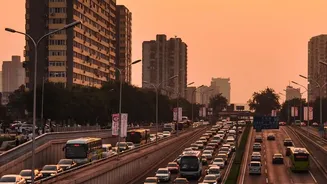
The obvious trade-off for a larger, more affordable home in the suburbs is a longer commute. Peak-hour traffic in major metros can be gruelling, with average one-way commutes in cities like Bengaluru and Mumbai potentially exceeding an hour. For someone going to the office five days a week, this adds up to a significant amount of lost time and stress, with one report suggesting the average employee spends the equivalent of 70 working days a year in traffic. However, the hybrid work model has changed this calculation. When the commute is only necessary two or three times a week, its cost in time and stress is effectively halved, making a suburban location far more appealing than it was pre-pandemic. The decision becomes a personal equation, balancing the daily friction of travel against the daily comfort of more living space.
Can Infrastructure Keep Up?
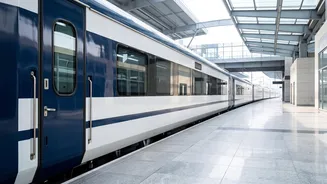
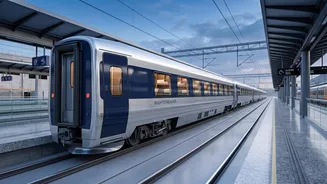
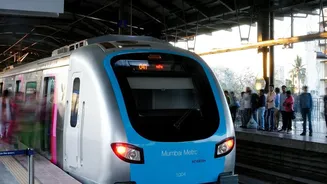
The success of this suburban shift heavily depends on infrastructure. In the past, suburbs were often plagued by poor connectivity and a lack of essential services. Today, this is changing. The expansion of metro rail networks in cities like Delhi and new expressways like the Bengaluru–Mysuru Expressway are significantly cutting travel times. In Hyderabad, the Outer Ring Road has redrawn the city's residential map, making once–distant suburbs feel much closer. Many new suburban developments are now integrated townships, offering schools, retail, and clinics within the community, reducing the need for residents to travel for daily necessities. However, challenges remain. In many satellite cities, the development of public infrastructure like roads and utilities lags behind the construction of private housing, leading to the very congestion and service gaps residents were trying to escape.