


Why Terracotta, Why Now?
For years, the default accent wall has been a stark, bold statement—a deep blue, a vibrant green, or a moody grey. While those have their place, designers and homeowners are increasingly craving spaces that feel grounding, natural, and soulful. This is where
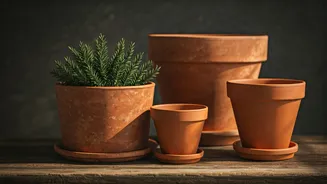
terracotta comes in. More than just a colour, it’s an emotion. It evokes sun-drenched courtyards, rustic earthen pots, and a connection to nature that is often lost in city living. In a world saturated with digital screens and cool-toned minimalism, terracotta feels like a warm, necessary hug for our homes. It’s a rebellion against the impersonal, offering a palette that is both timelessly Indian and perfectly aligned with the global trend of biophilic design, which seeks to bring the outdoors in.
Finding Your Perfect Shade
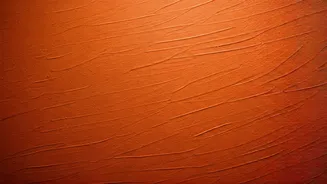
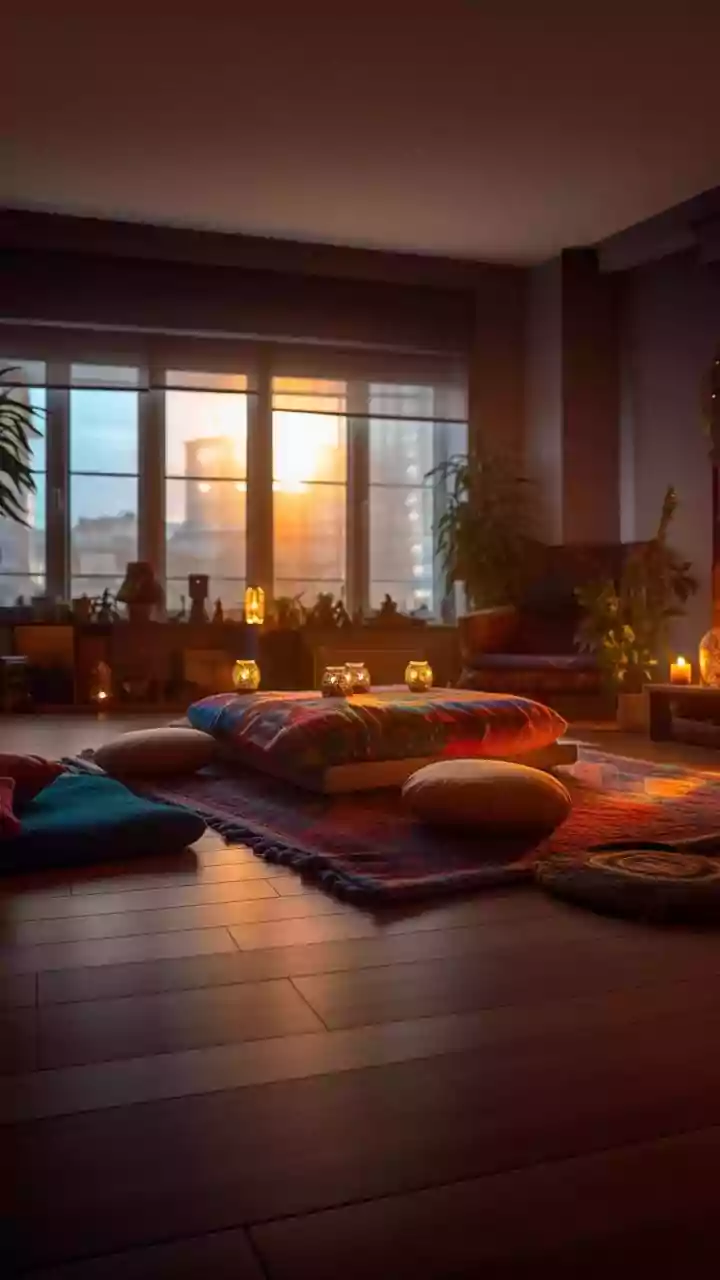
The word 'terracotta' might conjure a single, specific shade of a clay pot, but the modern palette is far more nuanced. It ranges from dusty, blush-pinks and muted peaches to deep, burnt oranges and rich, rusty reds. Choosing the right one depends entirely on your space and the mood you want to create. For smaller rooms or spaces with limited natural light, opt for lighter versions like pale apricot or rosy clay. These shades provide warmth without overwhelming the room. For a dramatic, enveloping feel in a larger living room or bedroom, a deeper, more saturated burnt sienna or rust can create a stunning and cosy focal point. The trick is to get sample pots. Paint small swatches on your chosen wall and observe how the colour changes with the light throughout theday—from the bright morning sun to the warm glow of evening lamps.
The Art of Colour Pairing
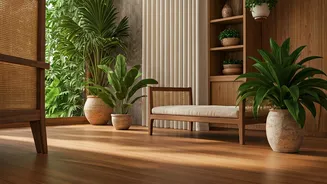
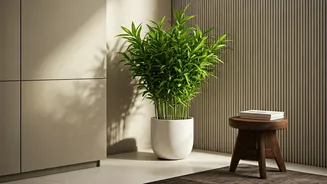
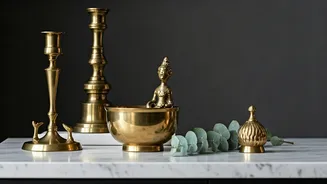
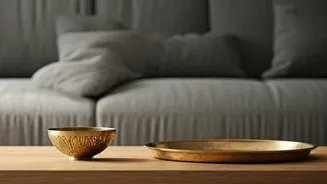
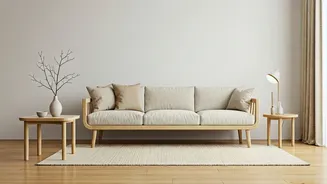
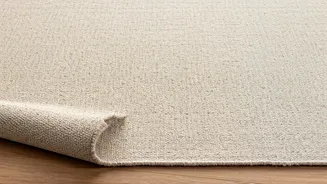
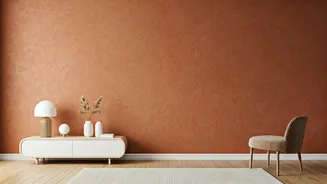
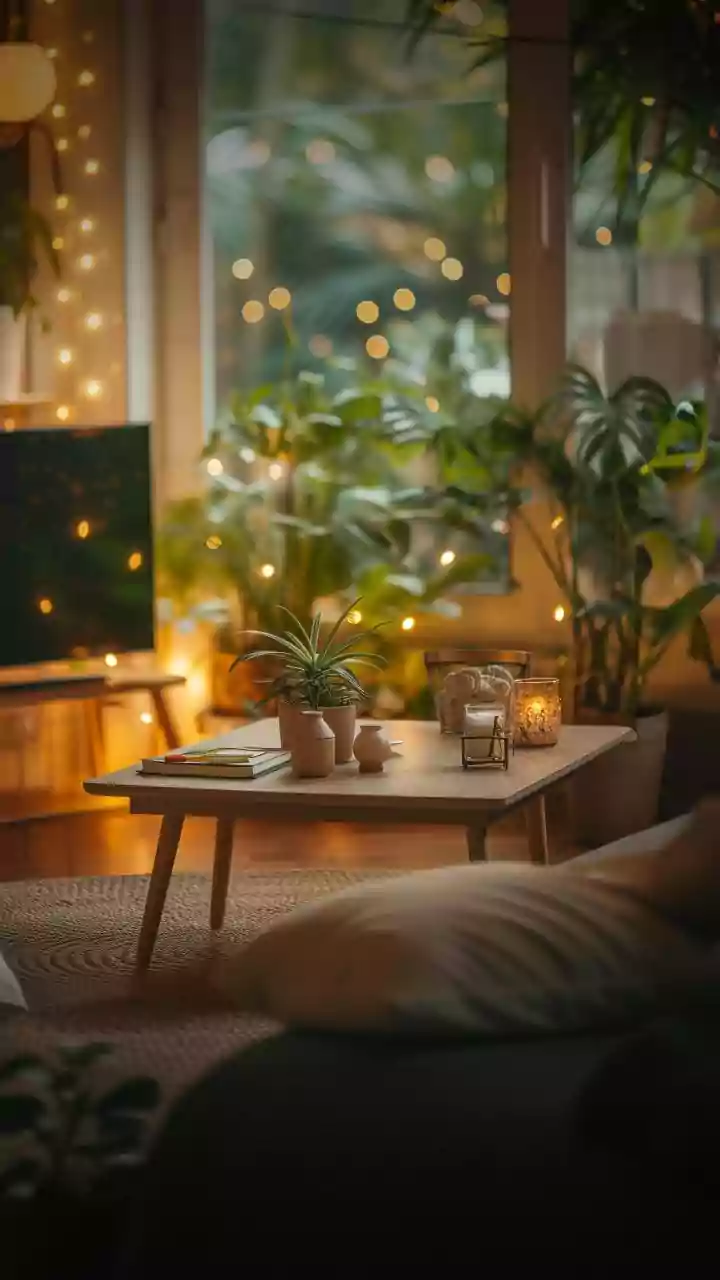
An accent wall doesn't exist in a vacuum. The beauty of terracotta is its versatility as a team player. It pairs beautifully with a host of colours and materials, allowing you to tailor the look to your personal style. For a clean, contemporary aesthetic, combine it with crisp whites, soft greys, and warm beiges. This allows the terracotta wall to be the undisputed star of the show. To create a richer, more layered look, bring in natural greens. A deep olive or a soft sage green alongside terracotta creates a stunning, nature-inspired palette. This combination works exceptionally well with indoor plants. In terms of materials, think natural and textured. Light wood furniture, jute or sisal rugs, rattan accents, and brass or bronze metallic finishes all complement terracotta’s earthy nature, enhancing its warmth and creating a cohesive, thoughtfully designed space.
Beyond the Living Room Wall
While the living room is a natural home for a terracotta accent wall, its potential extends far beyond. In the bedroom, a terracotta wall behind the bed can create a serene, cocoon-like atmosphere, promoting rest and relaxation. In a home office, it can foster a sense of calm and focus, a welcome departure from sterile office environments. Consider it for an entryway, where a warm, welcoming colour makes a powerful first impression. You can even use it in smaller doses—painting a bookshelf niche, an archway, or the wall behind your open kitchen shelves to add a pop of sophisticated colour without committing to an entire wall.
Finish and Texture Matter
The final element to consider is the paint finish. For an authentic, earthy feel, a matte or flat finish is your best friend. It absorbs light, giving the colour a soft, velvety depth that enhances its natural quality. Glossy finishes can look jarring and detract from the calming effect. For those looking to take the texture a step further, consider lime-wash or specialty textured paints. These finishes offer subtle variations in colour and a slightly chalky texture that beautifully mimics the look of ancient, sun-baked walls, adding another layer of character and history to your modern space.