


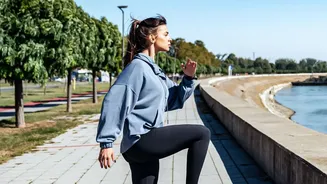
Understanding Low-Impact Cardio
Low-impact cardio refers to any aerobic exercise that minimizes stress and jarring forces on your joints. Unlike high-impact activities such as running, these movements ensure that you keep at least one foot on the ground or that your body is supported
by equipment or water. The goal is to elevate your heart rate to improve cardiovascular fitness, burn calories, and build endurance, all while reducing the risk of injury. This makes it an ideal approach for individuals with joint pain, those recovering from injury, older adults, or anyone looking for a sustainable way to stay active. The key is that 'low impact' does not mean 'low intensity'; you can still achieve a vigorous workout by adjusting speed, resistance, and duration.
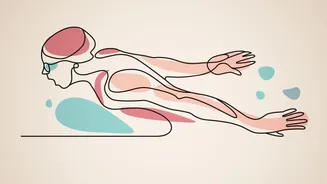
Swimming: The Ultimate Full-Body Workout
Swimming is often hailed as one of the best low-impact exercises because the water's buoyancy supports your body weight, placing almost no stress on your joints. This unique environment allows for freedom of movement, making it particularly beneficial for those with arthritis or mobility issues. As a cardiovascular workout, swimming is exceptionally effective. It strengthens the heart muscle, improves circulation, helps lower blood pressure, and can improve cholesterol levels. Regular swimming has been linked to a significantly lower risk of death from heart disease and stroke. To execute safely, focus on smooth, continuous strokes. Whether you choose freestyle, breaststroke, or backstroke, maintain a relaxed form to avoid straining your neck or shoulders. Breathe consistently to enhance lung capacity and ensure your muscles get the oxygen they need.
Cycling: Indoors or Outdoors
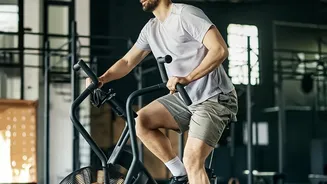
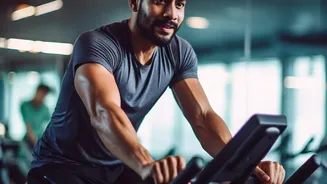
Cycling is another excellent low-impact option that builds cardiovascular fitness while being gentle on the knees and hips. Whether on a stationary bike or outdoors, the seated position takes pressure off your lower-body joints. Regular cycling stimulates and improves your heart, lungs, and circulation, reducing the risk of cardiovascular diseases like stroke and heart attack. It strengthens the heart muscle, can lower your resting pulse, and helps manage weight and reduce blood fat levels. For proper execution, adjust the seat height so your knee has a slight bend at the bottom of the pedal stroke. Maintain an upright posture to avoid straining your back. Start with a moderate resistance and a steady cadence, gradually increasing the intensity as your fitness improves. This ensures you get a heart-pumping workout without unnecessary joint strain.
Using the Elliptical Trainer
The elliptical machine was specifically designed to provide a low-impact workout that mimics the motion of running without the jarring impact. Your feet remain on the pedals, moving in a smooth, gliding oval path that minimizes stress on your ankles, knees, and hips. Because many ellipticals have moving handlebars, they offer a full-body workout that engages your arms, core, and legs simultaneously. Proper form is crucial for safety and effectiveness. Stand tall with your shoulders back and your core engaged. Hold the handlebars lightly for balance rather than leaning on them. Keep your feet flat on the pedals throughout the entire motion to avoid shifting pressure onto your knees. Push and pull with your arms in a coordinated rhythm with your legs to maximize the cardiovascular benefits.
Water Aerobics: Resistance and Buoyancy
Exercising in a pool isn't limited to swimming laps. Water aerobics combines the joint-protecting benefits of buoyancy with the muscle-strengthening effects of water resistance. Standing in chest-deep water can reduce the weight-bearing load on your joints by up to 90 percent. At the same time, the water provides multi-directional resistance, making simple movements like walking, jogging, or leg lifts more challenging and effective for building strength and elevating your heart rate. To start, try walking or marching in place in the shallow end. Focus on maintaining a straight back and engaging your core. You can perform exercises like leg lifts, arm circles, or walking lunges. The water's resistance will naturally intensify the workout while protecting you from impact. For an even lighter load on the joints, move to the deep end and use a buoyancy belt for support.