





The Aromatic Powerhouse
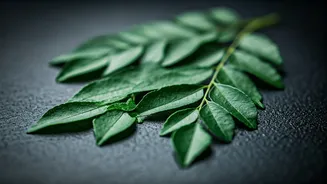
First, let's clear up a common confusion: curry leaves have nothing to do with curry powder. They are the fresh, glossy leaves of the Murraya koenigii tree, which is native to India and part of the citrus family. While curry powder is a ground mixture
of various spices, curry leaves are a singular, potent herb prized for their incredible aroma. Their unique flavour profile is complex, often described as having notes of citrus, anise, and a subtle nuttiness. This fragrance is their superpower, capable of infusing dishes with a depth that is both refreshing and savoury. Unlike bay leaves, which are typically removed before serving, curry leaves soften when cooked and are completely edible, adding their distinct taste to every bite.
Unlocking the Flavour with Tadka
The most common and effective way to unleash the magic of curry leaves is through tempering, a technique known in India as tadka or chhonk. This involves frying the leaves for a few seconds in hot oil or ghee, often along with other spices like mustard seeds or cumin. As soon as the leaves hit the hot fat, they sizzle and pop, releasing their essential oils and an intoxicating aroma that will fill your kitchen. This infused oil, along with the now-crispy leaves, becomes the flavour base for countless dishes. Pouring a freshly made tadka over a simple bowl of dal or a vegetable stir-fry is one of the easiest ways to turn a basic meal into a memorable one. The heat not only extracts the flavour into the oil but also transforms the texture of the leaf itself, making it a pleasant, crispy addition.
From Simple Lentils to Lemon Rice
The beauty of curry leaves lies in their versatility. A tadka with curry leaves can instantly upgrade a simple lentil soup (dal), giving it a signature fragrance. They are a non-negotiable ingredient in South Indian staples like sambar and rasam. But their use extends far beyond that. Toss a few fresh leaves into your pot when cooking rice to subtly perfume the grains. A classic lemon rice gets its character from a tempering of mustard seeds, turmeric, and, of course, curry leaves. Even a basic potato fry or scrambled eggs can be transformed with a handful of sizzled leaves. Try adding them to marinades for chicken or fish, or finely chopping them into savoury pancake batters and bread doughs.
Beyond the Frying Pan
While frying is the most popular method, it's not the only way to use these aromatic leaves. You can create a flavourful chutney by grinding fresh curry leaves with coconut, green chillies, and lime juice. They can also be used to create an infused oil; simply cook the leaves gently in a neutral oil, then strain. This aromatic oil can be drizzled over finished dishes or used as a dipping sauce for bread. For a longer shelf life, you can dry the leaves and crumble them to make a flavourful seasoning powder, sometimes called a 'podi', often mixed with roasted lentils and spices. While fresh leaves offer the most potent aroma, dried leaves are a decent substitute, though you may need to use more to achieve a similar flavour impact.
How to Buy and Store Them
Fresh curry leaves are increasingly available in Indian grocery stores and online. Look for vibrant, green leaves without blemishes. To store them, wash and thoroughly pat them dry. You can then place them in an airtight container lined with a paper towel in the refrigerator, where they can last for up to two weeks. For long-term storage, freezing is an excellent option. Simply place the dry leaves in a zip-top bag in the freezer; they can be used directly from frozen without thawing. Having a stash in your freezer means you’re only ever a moment away from adding that special, aromatic touch to your cooking.