
The Desert State in Full Bloom
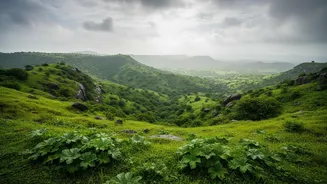
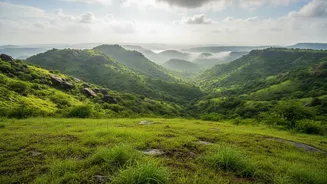
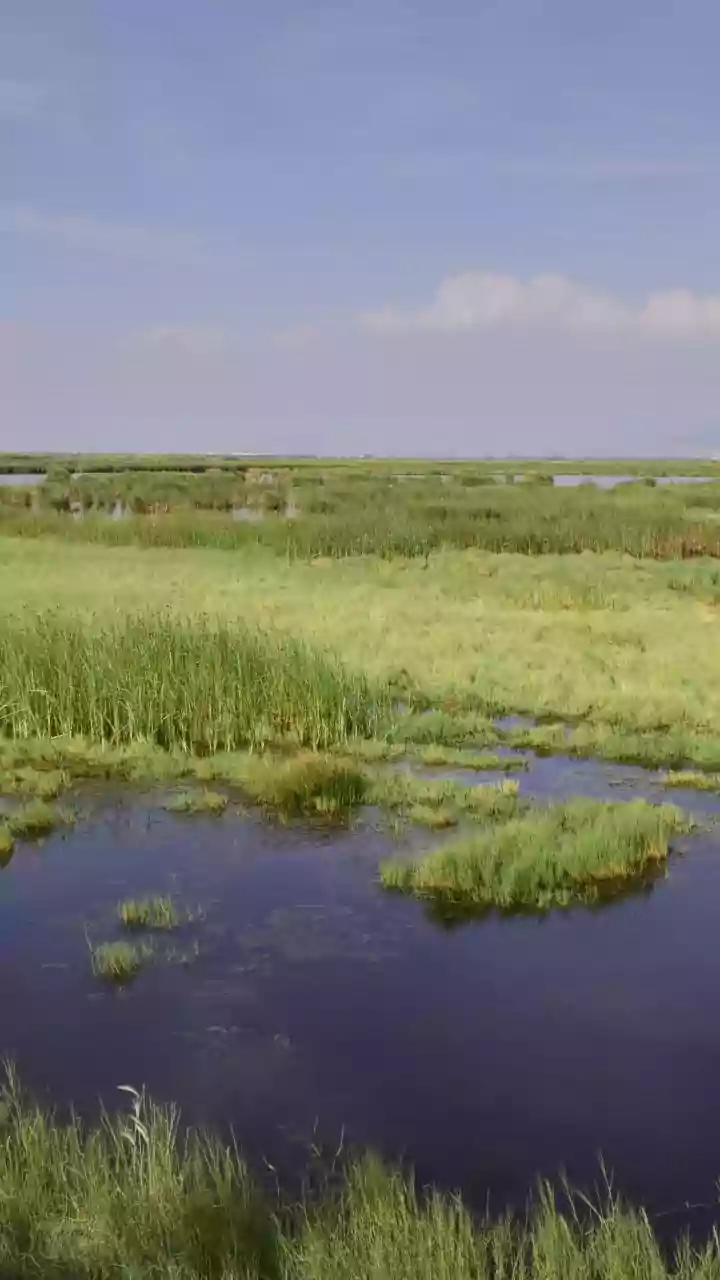
For most of the year, Rajasthan is a landscape of majestic, arid beauty. But from July to September, the arrival of the monsoon performs a minor miracle. The parched earth drinks deeply, and the ancient Aravalli Hills shed their dusty brown coat for a cloak
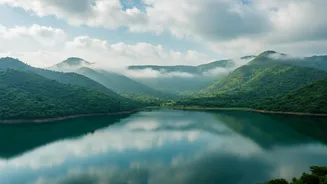
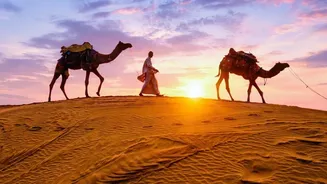
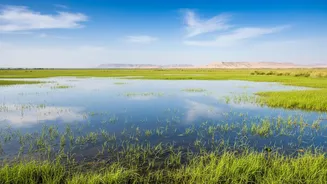
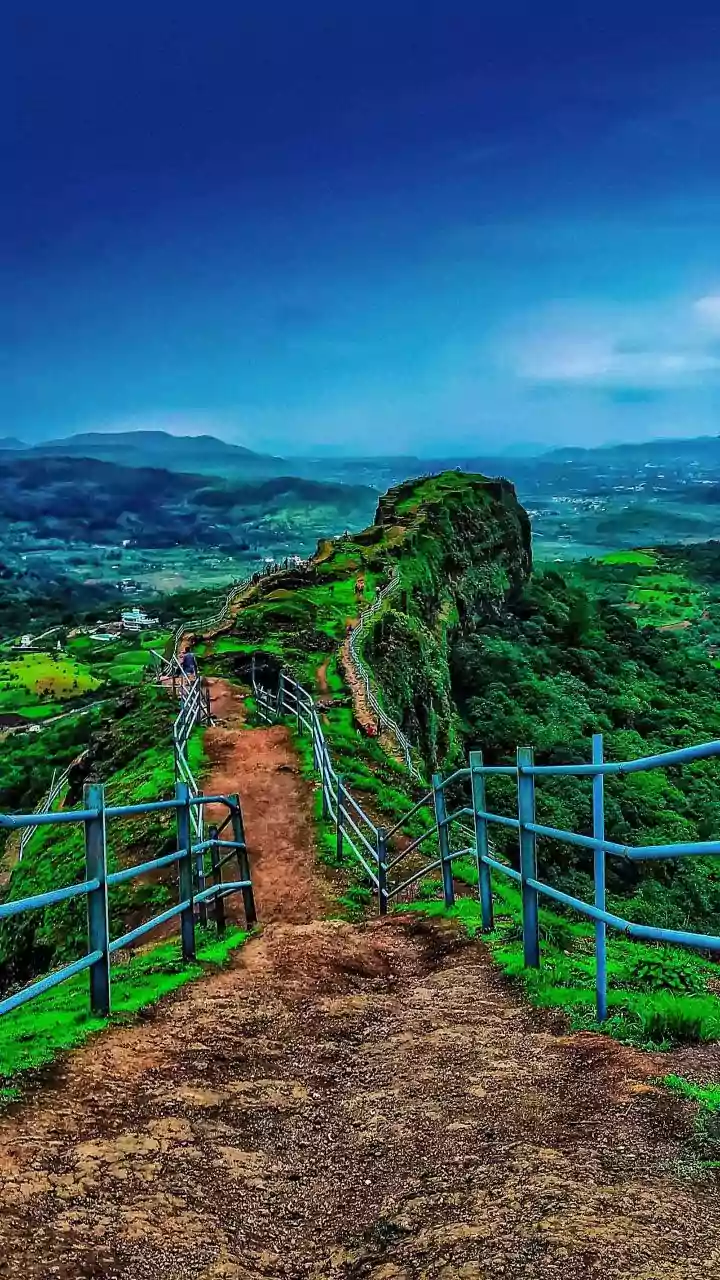
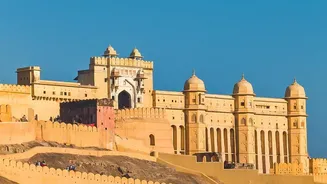
of emerald green. This dramatic transformation is at the heart of the state's newfound appeal as a rainy-season destination. While western districts like Jaisalmer remain largely dry, the Aravalli belt, which cuts across the state, comes alive. This is not the drizzly, inconvenient rain of other destinations; these are often short, dramatic showers that cool the air, wash the dust from heritage monuments, and leave behind a world that feels fresh, vibrant, and utterly new. Travellers are increasingly seeking out this 'green tourism' to see nature in its purest form.
Monsoon Havens: Where to Go
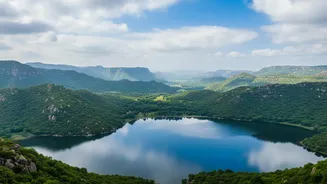
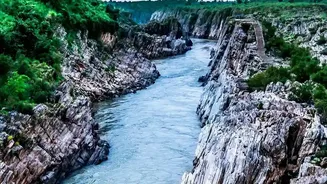
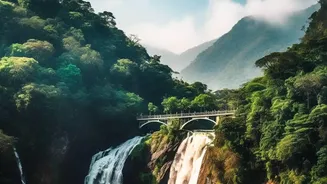
The epicentre of this green awakening is southern Rajasthan. Udaipur, the famed 'City of Lakes', becomes even more romantic as its lakes—Pichola, Fateh Sagar, and Badi—fill to the brim, perfectly reflecting the surrounding green hills and moody, cloud-filled skies. The Sajjangarh Palace, aptly named the Monsoon Palace, offers breathtaking views of the clouds rolling in. Just a few hours away lies Mount Abu, the state's only hill station. During the monsoon, it becomes a misty, cool retreat where waterfalls suddenly appear and the Nakki Lake is at its most beautiful. For those seeking paths less travelled, destinations like Bundi, with its dozens of ancient stepwells (baoris) refilling with rainwater, and Banswara, known as the 'City of a Hundred Islands' for the islets that form in the Mahi River, offer spectacular and uncrowded experiences.
A Surge in Savvy Travellers
The trend towards monsoon travel in Rajasthan is driven by a new generation of domestic tourists looking for unique experiences beyond the peak winter season. They are discovering that the rainy season offers several advantages: smaller crowds, significant discounts on hotels, and a chance to see a familiar destination with new eyes. After months of scorching summer heat, the drop in temperature is a welcome relief. Improved road connectivity, including new expressways, has also made weekend getaways and road trips more accessible for people from nearby states. Travel experts note that this shift is providing a welcome boost to the local hospitality industry during what was once considered the off-season, with smaller and emerging destinations seeing remarkable growth.
Planning Your Monsoon Escape
A monsoon trip to Rajasthan does require some planning. While major highways are generally safe, rural roads can be affected by heavy downpours, so it's wise to stay flexible with your itinerary. Packing light, waterproof layers and sturdy footwear is essential. The reward, however, is immense. It's a chance to enjoy a boat ride on a full lake, witness peacocks dancing in the rain, and see ancient forts like Kumbhalgarh emerge mysteriously from the mist. Many national parks, like Ranthambore and Sariska, remain partially open, offering a different kind of wildlife-sighting experience against a lush backdrop. For photographers and nature lovers, the dramatic skies and vibrant landscapes offer endless inspiration.