




Wearing the Wrong Clothes
One of the most frequent blunders is wearing cotton or denim. [5] Cotton acts like a sponge; it absorbs moisture quickly but takes a very long time to dry. [5] Once soaked with rain or sweat, it clings to your body, becomes heavy, and can rapidly lower
your body temperature, increasing the risk of hypothermia. [5, 9] Similarly, denim jeans become extremely heavy and restrictive when wet, making your trek uncomfortable and exhausting. [5, 11] The smart fix is to opt for lightweight, quick-drying clothes made from synthetic fabrics like polyester or nylon. [4, 10] These materials wick moisture away from your skin and dry fast, keeping you comfortable even in damp conditions. [10, 26]
Skipping Proper Footwear
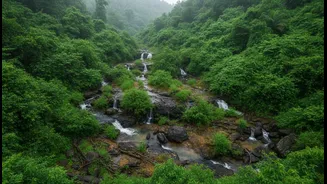
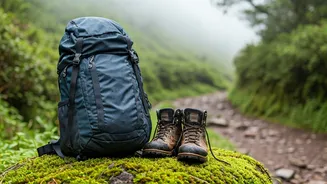
Wearing regular sneakers, sports shoes, or anything without a proper grip is a serious safety risk. [5] Monsoon trails are notoriously slippery, muddy, and covered in wet rocks. [3, 9] Standard shoes lack the necessary grip, leading to frequent slips and falls. [4, 5] They also get soaked easily, which can cause painful blisters and fungal infections. [15, 19] Investing in proper trekking shoes with deep grooves for grip, good ankle support, and water-resistant properties is non-negotiable. [4, 9, 18] Well-fitted trekking shoes will protect your feet, prevent injuries, and provide stability on treacherous terrain. [4]
Forgetting Rain Protection for Yourself and Your Bag
Underestimating the rain is a classic rookie error. [3] Mountain weather is unpredictable, and a light drizzle can turn into a relentless downpour. [3, 18] An umbrella is often useless against wind and on narrow trails. [6] A high-quality rain poncho is highly recommended as it can cover both you and your backpack, offering better protection and mobility than a standard raincoat. [7, 11] Equally important is a waterproof rain cover for your rucksack. [7] Your backpack contains all your essentials—dry clothes, electronics, and food. [7] If it gets drenched, your entire trek can become a miserable struggle. [7]
Neglecting to Protect Your Electronics
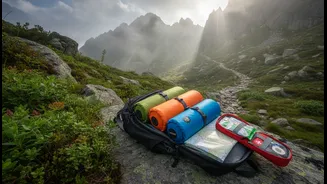
Moisture is the enemy of all electronic devices. Many trekkers forget to take extra precautions for their phones, cameras, and power banks. [14] Even a 'waterproof' backpack can leak through its seams or zippers during prolonged rain. [8] The solution is a multi-layered approach. Use individual waterproof pouches or simple zip-seal bags for each device. [12, 14, 17] For added protection, you can place these pouches inside a larger dry bag within your main rucksack. [8] Tossing a few silica gel packets into your electronics bag can also help absorb any lingering moisture. [8, 13]
Underestimating the Trail and Weather
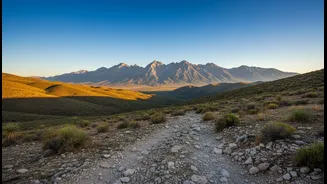
Monsoon conditions can dramatically alter a familiar trail. Paths become slippery, streams swell into strong river crossings, and visibility can drop to near zero in minutes due to fog. [3, 25] Starting your trek without checking the latest weather forecast is a major mistake. [3, 5] It's also wise to start your day early, as monsoon rains often intensify in the afternoon. [3, 26] Using trekking poles is highly recommended; they provide extra points of contact with the ground, improving stability, reducing strain on your knees, and helping you test the ground before committing your full weight. [2, 5]
Ignoring Hydration and Nutrition
The cool, wet weather can trick you into thinking you're not losing fluids, but you are still sweating. [5] Dehydration can creep up on you, leading to fatigue and headaches. [23] Forgetting to drink water regularly is a common oversight. [5] Always carry a water bottle and sip from it consistently. [20, 22] It's also a mistake to carry heavy meals. Instead, pack light, high-energy snacks like nuts, dry fruits, and energy bars that provide a quick boost without weighing you down. [20]
Forgetting the First-Aid Kit
Slippery trails increase the chances of minor cuts, scrapes, and falls. [15] Leeches are also a common nuisance in the monsoon forests of regions like the Western Ghats. [2, 15] A well-stocked first-aid kit is essential. It should include antiseptic wipes, bandages, pain relief spray, blister tape, and any personal medications. [2, 20] For leeches, carrying a small pouch of salt or a sanitizer can help in their removal, though specialized leech socks are the best prevention. [2, 7]