

Peace Lily (Spathiphyllum)
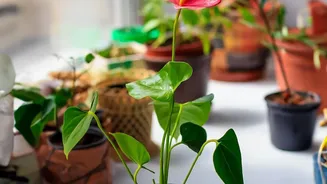
The Peace Lily is more than just an elegant plant with beautiful white blooms; it's a hardworking air purifier and dehumidifier. It has a high transpiration rate, meaning it absorbs moisture from the air through its leaves and releases it. This quality
makes it excellent for reducing ambient humidity in rooms prone to dampness, like bathrooms and kitchens. They thrive in medium to low light and prefer consistently moist soil, but be careful not to overwater. By absorbing moisture through its foliage, it helps lower the overall humidity, preventing the growth of mould and mildew.
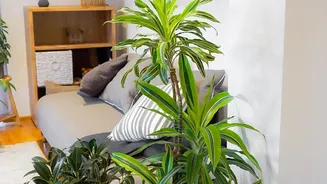
Snake Plant (Dracaena trifasciata)
Known for being almost indestructible, the Snake Plant is a champion of indoor air quality. While it’s famous for releasing oxygen at night, it’s also effective at absorbing excess moisture from the air. Its tough, waxy leaves take in airborne moisture, making it a great companion for bedrooms and living areas. This plant is incredibly low-maintenance, tolerating low light and infrequent watering, making it perfect for busy apartment dwellers. Its ability to withstand a variety of conditions while subtly combating humidity makes it an essential green addition during the rainy season.
Boston Fern (Nephrolepis exaltata)
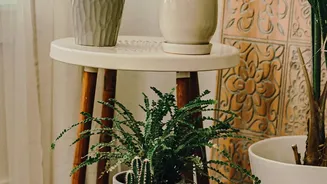
Boston Ferns are lush, feathery plants that love humidity, which is precisely what makes them so effective at removing it from your home. These ferns absorb moisture directly from the air, helping to balance the humidity levels in your space. They are particularly well-suited for bathrooms or other damp corners of an apartment where they can get the ambient moisture they crave. A Boston Fern acts as a natural dehumidifier, and its vibrant green fronds add a touch of lushness, making your home feel like a fresh, tropical oasis rather than a damp room.
Spider Plant (Chlorophytum comosum)
The Spider Plant is another popular, easy-to-care-for houseplant that helps manage indoor humidity. It absorbs moisture from the air, along with common household toxins like formaldehyde and xylene. Its arching leaves create a dense foliage canopy that is efficient at trapping and processing airborne water vapour. Spider Plants are adaptable and thrive in a range of conditions, making them suitable for almost any room. They also produce charming little plantlets or “pups” that can be repotted, allowing you to spread these natural dehumidifiers throughout your home.
English Ivy (Hedera helix)
English Ivy is a beautiful trailing vine that excels in humid environments. It is known for its ability to absorb airborne mould and other allergens, which often thrive in damp conditions. By pulling moisture from the air, it helps to create a drier, healthier living space. It's an ideal choice for hanging baskets in a kitchen or for placing on a high shelf in the living room, where its cascading vines can be admired. Keep in mind that English Ivy can be toxic if ingested, so it's best to place it out of reach of pets and small children.
The Power of Natural Clay
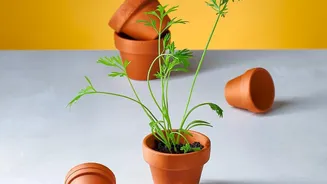
Beyond plants, natural clay offers a simple, powerless, and effective way to fight mustiness. Materials like terracotta, which means "baked earth" in Italian, are highly porous. This porosity allows them to absorb excess moisture directly from the atmosphere. You can use unglazed terracotta pots, bowls, or decorative items placed in damp corners, closets, or under sinks. The clay acts like a sponge, soaking up water vapour and helping to keep the area dry. Some specialised clay desiccants, like those made from montmorillonite clay, are specifically designed for this purpose and are highly efficient at absorbing moisture. These are non-toxic, eco-friendly, and can often be "recharged" by drying them in the sun or a warm oven, making them a reusable solution for wardrobes and small spaces.