

Fermentation vs. Pickling
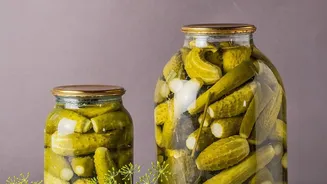
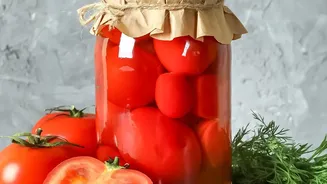
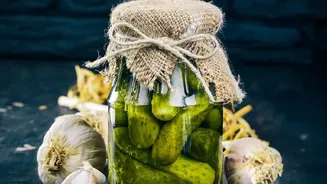
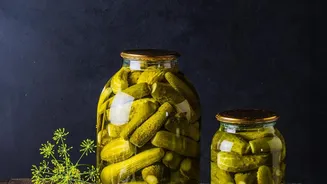
Let's clear one thing up: not all pickles are created equal. The pickles most of us know are created by soaking vegetables in a vinegar solution. It's fast and gives that familiar tangy flavour. Fermentation, however, is a different, more magical process.
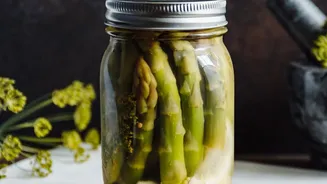
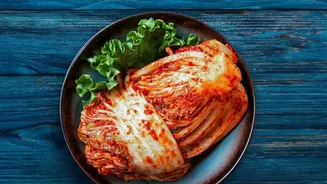
Known as lacto-fermentation, it uses only salt, water, and the natural bacteria already present on vegetables. These beneficial bacteria convert the vegetable's sugars into lactic acid, which acts as a natural preservative, creates a complex, tangy taste, and is the source of its major health benefits. This age-old method requires no vinegar or oil.
The Gut Health Connection
The magic of fermentation lies in probiotics—the live, beneficial bacteria that support a healthy gut microbiome. A diverse microbiome is a key indicator of good gut health. These good bacteria help improve digestion, can reduce inflammation, and even bolster your immune system. Fermented foods not only introduce these helpful microbes into your system but also make the nutrients in the vegetables themselves more bioavailable, meaning your body can absorb them more easily. Unlike many traditional Indian pickles that rely on large amounts of oil for preservation, oil-free fermentation offers a lighter, calorie-friendly alternative that is rich in live cultures.
Enter the Urban Pantry
So where do urban pantries fit in? These are not your typical food banks. Often called 'community fridges' or 'community pantries,' they are hyper-local initiatives where people can freely share and take food. Found in neighbourhoods across cities like Mumbai, Delhi, and Chennai, they operate on a simple, dignified principle: leave what you can, take what you need. These pantries often focus on reducing food waste and providing access to fresh food, filling a crucial gap in urban food security with a model built on community trust and mutual aid.
A Perfect Pairing for Community Health
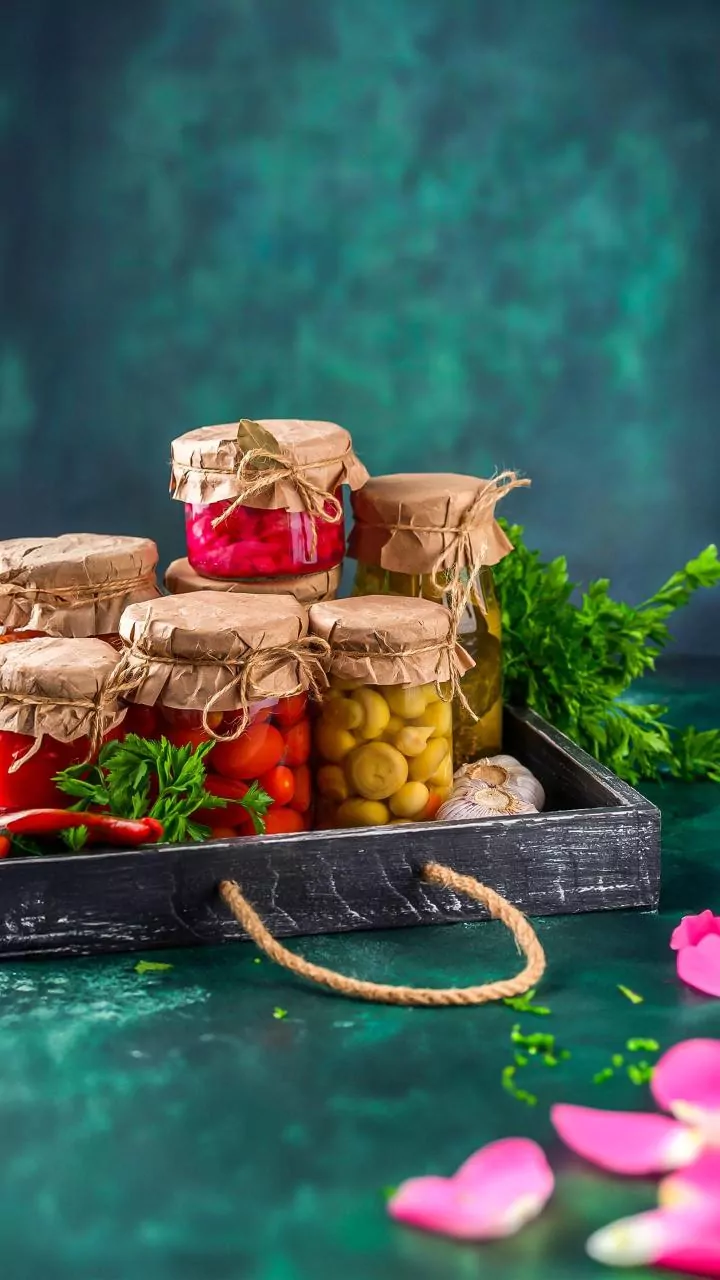
The move toward fermented pickling is a natural evolution for these community-focused spaces. For urban pantries that often receive donations of fresh produce, fermentation is a game-changer. It’s a low-cost, low-energy way to preserve vegetables that might otherwise spoil, extending their shelf life for weeks or even months. This process doesn't just prevent food waste; it enhances the nutritional value of the food being offered. By transforming a simple carrot or cauliflower into a probiotic-rich superfood, pantries can provide community members with foods that actively promote good health. It also empowers communities by sharing a valuable, traditional skill of food preservation that is both sustainable and self-sufficient.