




The Ancient Art of Fermentation
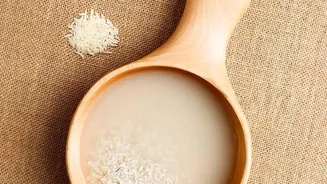
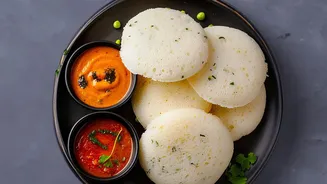
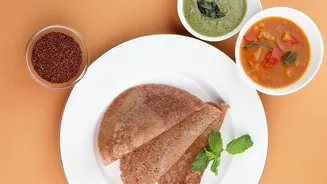
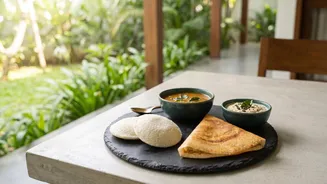
At its heart, fermentation is a natural transformation where microorganisms like bacteria and yeast break down the carbohydrates and starches in food. For South Indian staples like idli and dosa, this process begins when a batter of soaked rice and urad
dal (black lentils) is left to rest overnight. During these hours, naturally present microbes, primarily Lactic Acid Bacteria (LAB) such as Lactobacillus and Leuconostoc, get to work. They consume the sugars in the batter, producing lactic acid and carbon dioxide. This not only gives the batter its characteristic tangy flavour and airy texture but also kicks off a cascade of health-promoting changes.
Meet Your Digestive Flora
Your digestive system is home to trillions of microorganisms, a bustling community known as the gut microbiome or digestive flora. This internal ecosystem is crucial for your overall health, influencing everything from digestion and nutrient absorption to your immune system and even your mood. A healthy gut has a balanced diversity of good bacteria. However, factors like stress, poor diet, and medications can disrupt this balance, leading to issues like bloating, inflammation, and poor immunity. Maintaining a healthy flora is key to preventing these problems and supporting whole-body wellness.
A Pre-Digested, Probiotic-Rich Meal
The fermented batter of idli and dosa is rich in live probiotics, the 'good' bacteria that help replenish and balance your gut flora. However, there is a nuance: the high heat of steaming or cooking kills most of these live bacteria. So, while the final cooked product isn't technically a probiotic food, the benefits of fermentation are far from lost. The process effectively 'pre-digests' the food, breaking down complex carbohydrates and proteins into simpler, more easily absorbable forms. This is why idli and dosa are famously light on the stomach and easy to digest, reducing the chances of bloating or heaviness.
Unlocking Essential Nutrients
One of the most significant benefits of this fermentation process is how it enhances the nutritional value of the rice and lentils. Grains and legumes contain 'antinutrients' like phytic acid, which can block the body's absorption of essential minerals. Fermentation neutralizes these compounds, dramatically increasing the bioavailability of minerals like iron, calcium, and zinc. Furthermore, the bacteria synthesize new nutrients during fermentation, boosting the levels of B vitamins, including B1, B6, B9 (folic acid), and even B12, which are vital for energy production and overall health.
The Power of Prebiotics
Even after cooking, these fermented breakfasts serve as excellent prebiotic foods. Prebiotics are types of dietary fiber that your body can't digest but which serve as fuel for the beneficial bacteria already living in your gut. The fiber from the rice and urad dal remains intact, nourishing your existing gut flora and helping them thrive. The combination of easily digestible nutrients and prebiotic fiber creates a powerful synergy, supporting a robust and healthy digestive ecosystem. The result is a breakfast that not only satisfies your hunger but also actively works to strengthen your gut from within.