





Harness the Power of Spices
Turmeric, ginger, and garlic are staples in every Indian kitchen, and their importance doubles during the monsoon. Turmeric, with its active compound curcumin, is a potent anti-inflammatory and immunity booster. Ginger is a warming spice that aids digestion,
soothes sore throats, and helps the body adapt to the damp weather. Garlic is renowned for its natural antibacterial and antiviral properties, offering a first line of defense against common seasonal infections. Incorporating these three into your daily cooking—in dals, curries, and herbal teas—is a simple yet effective way to fortify your system against rainy season ailments.
Embrace Seasonal Gourds
Ayurveda recommends eating foods that are light and easy to digest during the monsoon, as the body's digestive fire (Agni) is considered weaker. This is where seasonal vegetables like bottle gourd (lauki), ridge gourd (turai), and bitter gourd (karela) shine. These vegetables are not only low in calories but also high in water content and essential nutrients. They are easy on the stomach, helping to prevent the bloating and indigestion that can be common during this season. Opt for steamed or lightly cooked preparations over heavy, oily curries to reap their full benefits.
Choose Your Fruits Wisely
While it's tempting to reach for any fruit, some are better suited for the monsoon than others. Seasonal fruits like jamun, pears, plums, and pomegranates are excellent choices. They are packed with antioxidants and Vitamin C, which are crucial for a strong immune system. Pomegranates, in particular, help protect the body's cells from damage. Fruits like apples and papayas are also good options as they aid digestion. It is generally advised to wash all fruits thoroughly and consume them fresh, avoiding pre-cut fruits from street vendors to minimise the risk of waterborne infections.
Rely on Lentils and Pulses
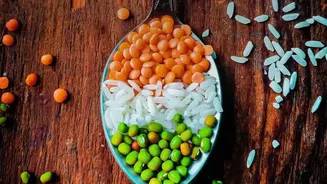
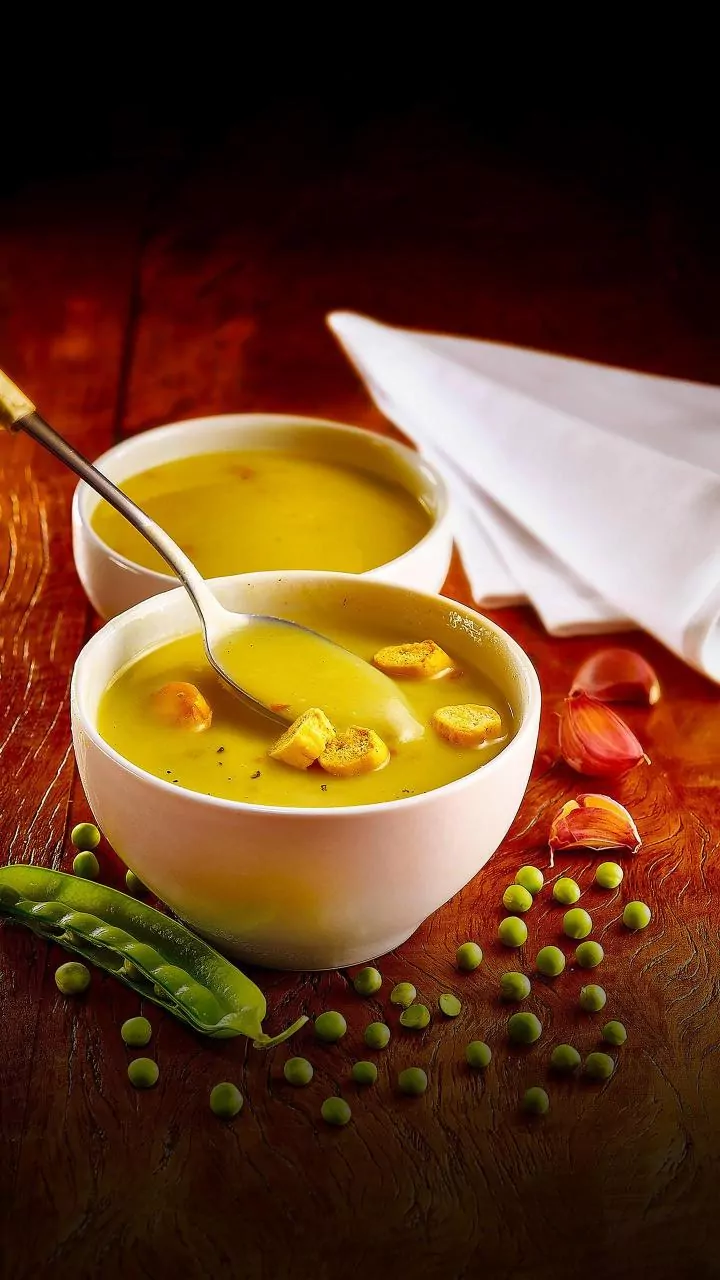
Moong dal is often considered a superfood for the monsoon. It is one of the most easily digestible proteins, making it an ideal choice when the digestive system is sluggish. A warm bowl of khichdi made from rice and moong dal is a complete meal that is both comforting and incredibly nourishing. Other lentils and pulses are also beneficial, providing sustained energy and essential nutrients. Including them in soups and simple dals can help you feel light yet satisfied, without overburdening your digestion.
Support Your Gut with Probiotics
Gut health is directly linked to immunity, and the monsoon is a critical time to support it. Probiotic-rich foods like fresh, homemade curd (yogurt) or buttermilk help maintain a healthy balance of gut bacteria. This can prevent common digestive issues and strengthen your body’s ability to fight off pathogens. It's best to consume curd during the day and ensure it's fresh, as fermented foods can spoil quickly in the humid weather. A bowl of curd with your lunch is a simple way to keep your digestive system running smoothly.
Sip on Herbal Teas
Staying hydrated is important, but Ayurveda suggests opting for warm beverages over cold drinks during the monsoon to protect your digestive fire. Herbal teas made with ingredients like tulsi, ginger, cinnamon, and black pepper are perfect for this season. These concoctions not only keep you warm but also provide antimicrobial benefits, helping to soothe a scratchy throat and ward off colds. A warm cup of ginger tea in the morning or a soothing tulsi tea in the evening can be a comforting and health-promoting ritual.