


The New Terracotta
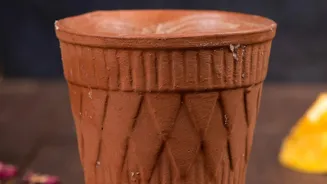
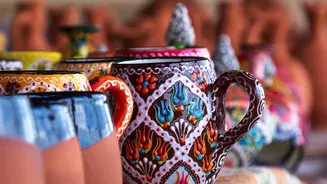
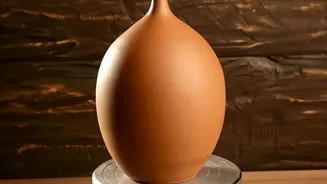
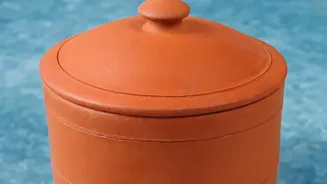
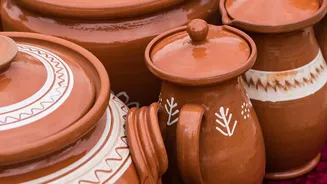
When you hear terracotta, you might picture the classic reddish-brown pots of Mediterranean gardens. But the version taking over Gen Z kitchens is a different beast entirely. Today’s terracotta homeware is more refined, appearing in a sophisticated palette
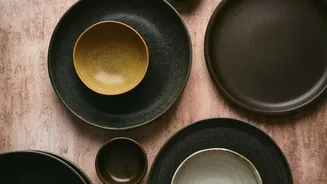
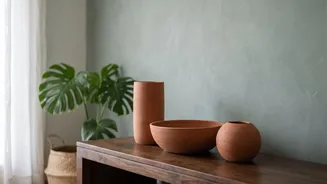
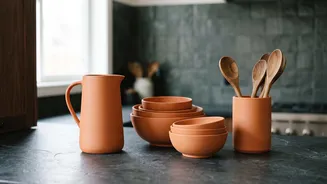
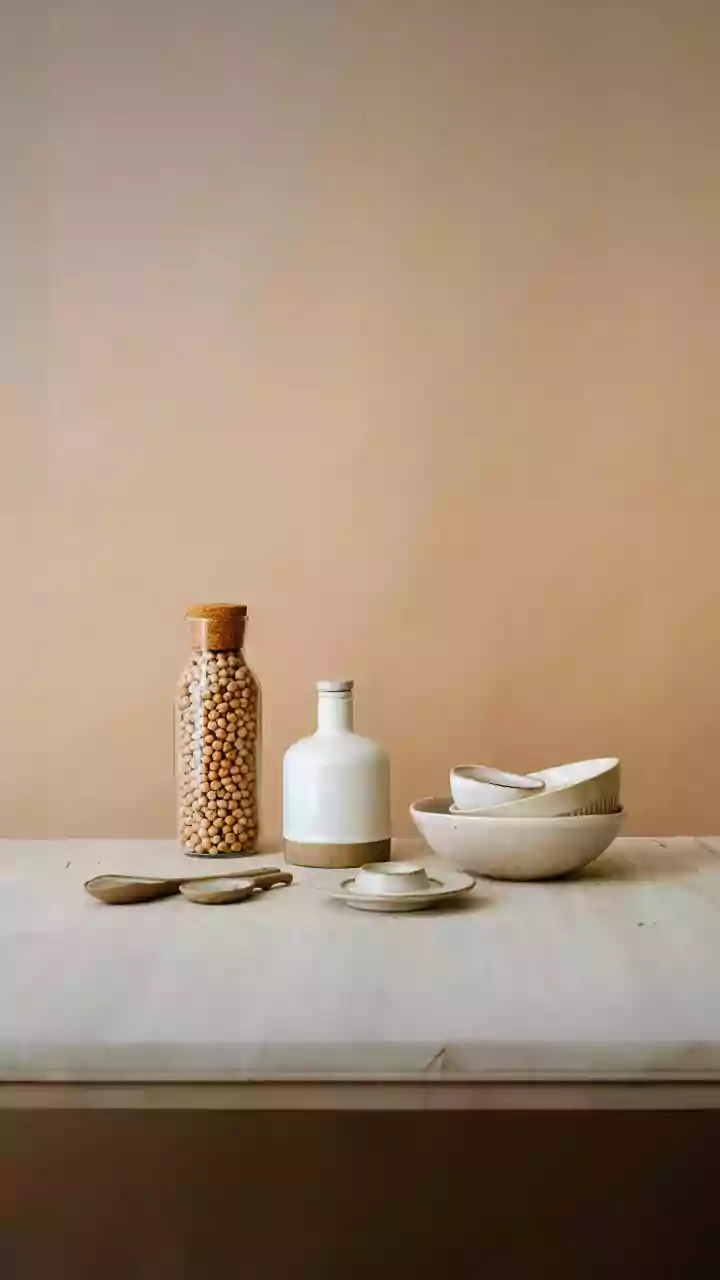
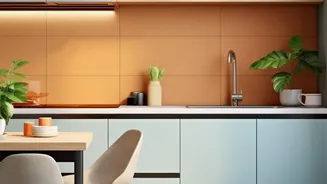
of muted, earthy tones like blush, rust, camel, and clay. This modern interpretation moves beyond simple planters and into every corner of the kitchen. We're seeing it in matte-finish dinner plates, hefty utensil holders, sculptural pendant lights, and even as a backsplash tile that brings texture and character to the space. The look is less about rustic charm and more about a grounded, organic elegance that feels both timeless and completely current.
An Antidote to the All-White Kitchen
For years, the all-white, hyper-minimalist kitchen reigned supreme. It was clean, bright, and photogenic. But as design trends evolve, many are finding it sterile and impersonal. Gen Z, in particular, is leading a rebellion against this starkness, craving spaces that feel warm, welcoming, and authentic. Terracotta provides the perfect antidote. Its natural warmth and subtle texture introduce a human touch, making a kitchen feel like the true heart of the home. It’s a move away from the pristine, museum-like spaces popular in the last decade toward rooms that are meant to be lived in, where comfort and personality are the main priorities.
Driven by Sustainable Values
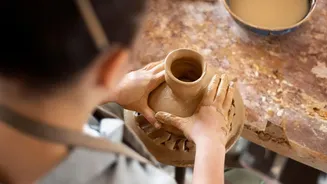
This trend is more than just an aesthetic choice; it’s rooted in Gen Z’s core values. This generation shows a strong preference for sustainable, eco-friendly materials, and terracotta fits the bill perfectly. Made from natural, abundant clay, it is a biodegradable and non-toxic alternative to plastics and other synthetic materials. The production process generally requires less energy, aligning with a conscious desire to reduce environmental impact. By choosing terracotta, young decorators are making a statement about their commitment to a more eco-conscious lifestyle, proving that style and sustainability can go hand in hand.
A Deeper Connection to Nature
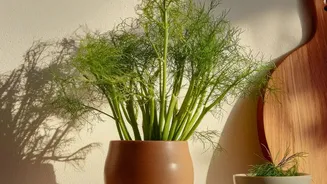
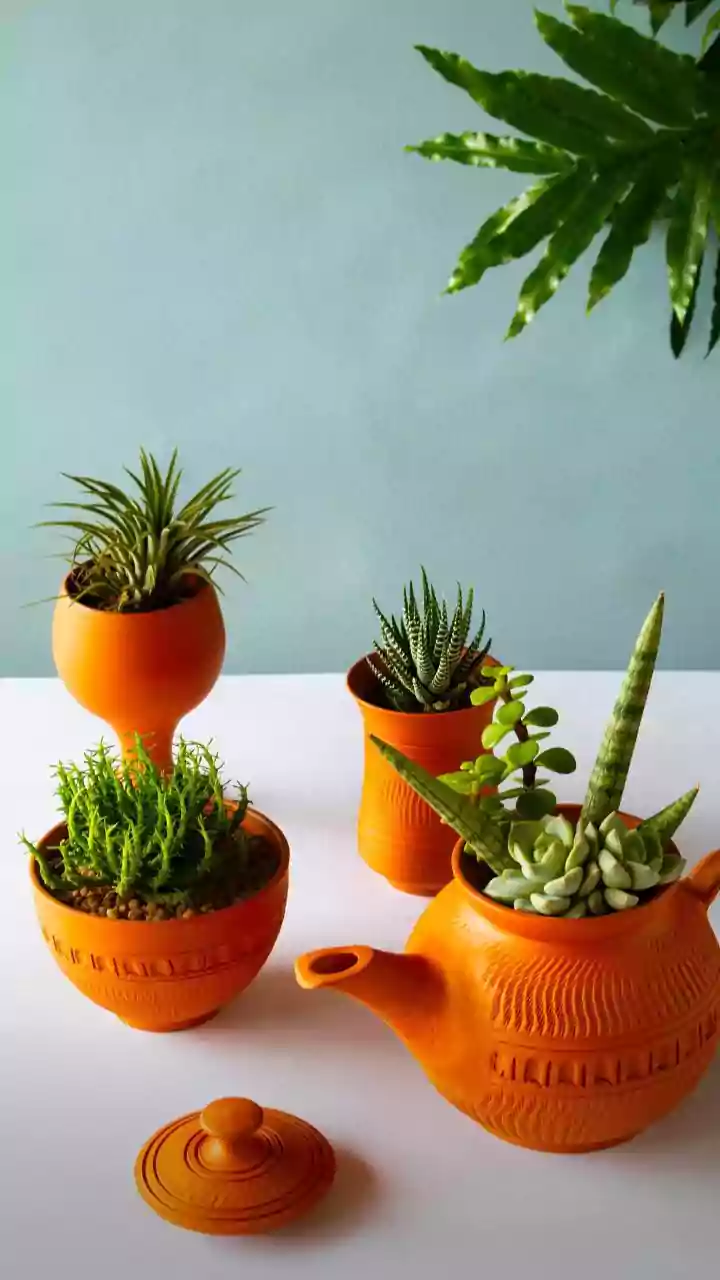
The rise of terracotta is also part of the broader biophilic design movement, which focuses on strengthening the connection between humans and the natural world within our built environments. In an increasingly digital and busy world, creating a home that feels like a calm retreat has become essential. Earth tones are known to have a psychologically grounding effect, helping to create a peaceful and stable atmosphere. Using materials like terracotta, wood, and linen, and filling spaces with houseplants, helps bring the outdoors in. This approach fosters a sense of tranquility and well-being, turning the kitchen into a nurturing space rather than just a functional one.
How to Style the Trend
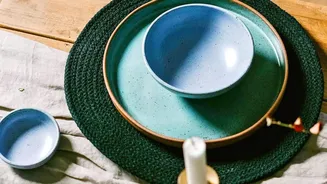
Incorporating this trend doesn't require a complete kitchen overhaul. You can start small with a few key pieces. A terracotta fruit bowl or a set of serving dishes can add an instant touch of earthy warmth. Consider swapping out a generic utensil holder for a handmade clay version. For a bigger impact, a row of terracotta pendant lights over an island can become a stunning focal point. This material pairs beautifully with other natural textures like wood, linen, and stone, as well as with colours like olive green, creamy whites, and soft blacks. The key is to layer these elements to create a space that feels rich, textured, and deeply personal.