
Why the Sudden Rush to Cook Fast?
The demand for quick meals isn't new, but its recent surge is fuelled by modern life's pressures and our relationship with technology. Many people are juggling longer work hours and side hustles, leaving little energy for elaborate cooking. The desire
for convenience is a primary driver. At the same time, there's a growing consciousness around health and wellness, with more people aspiring to eat healthy, home-cooked food. This creates a conflict: the need for speed versus the desire for quality. The 30-minute meal trend is the perfect compromise. Social media platforms like Instagram and TikTok have also played a huge role, making cooking more accessible and entertaining. Viral videos showcasing step-by-step recipes that are both quick and visually appealing have demystified cooking for a new generation, proving that a delicious meal doesn't require hours of labour.
Fast Food vs. Fast-At-Home
A key distinction of this trend is its focus on health, setting it apart from traditional fast food, which is often high in unhealthy fats, sodium, and sugar. The 30-minute home cooking movement champions the use of whole foods, fresh vegetables, lean proteins, and complex carbohydrates. It’s about being smart with your time, not cutting corners on nutrition. A quick meal can be incredibly nourishing when built around the right components. Think one-pan roasted vegetables with paneer, a quick dal tadka with brown rice, or spiced chicken wraps with a fresh salad. These meals are balanced, providing the necessary nutrients to power through the week without the post-takeaway slump. The goal is to recreate the convenience of fast food without its health drawbacks, making nutritious eating a sustainable daily habit.
The Blueprint for a 30-Minute Meal
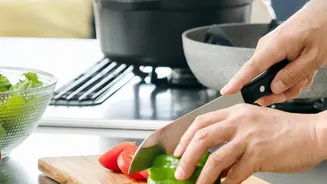
Achieving a 30-minute meal isn't magic; it's about strategy and preparation. One of the most effective techniques is to embrace 'mise en place'—a French term for having all your ingredients prepped and ready before you start cooking. Chopping vegetables over the weekend or marinating proteins in the morning can slash your weeknight cooking time. Another game-changer is building a well-stocked pantry. Having staples like pasta, rice, canned beans, lentils, and a variety of spices on hand means you can throw a meal together without a last-minute trip to the store. Using time-saving appliances is also key. An air fryer can crisp up proteins and vegetables in minutes, while a pressure cooker can handle dals and curries with minimal supervision. Finally, embracing one-pan or one-pot recipes significantly reduces both cooking and cleaning time, making the entire process feel less like a chore.
Quick and Healthy Meal Ideas
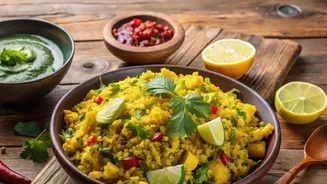
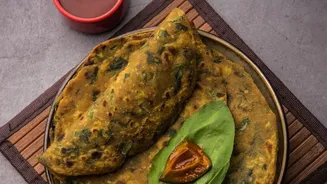
Putting the theory into practice is simpler than you might think. For a quick protein-packed dinner, try a paneer or tofu stir-fry with bell peppers, onions, and a simple soy-ginger sauce, served with quinoa. A one-pot vegetable pulao loaded with carrots, peas, and beans is another fantastic option that comes together quickly in a pressure cooker. If you're craving comfort food, a quick lentil and vegetable soup (dalma) is both hearty and nutritious. For something a bit different, consider quick-cooking salmon or chicken baked with lemon and herbs alongside roasted sweet potatoes. Even a simple egg curry with a side of whole-wheat roti fits perfectly within the 30-minute framework. The key is to rely on simple recipes that don't compromise on flavour or nutrition.