




Elon Musk has proposed a radical solution to one of artificial intelligence’s biggest emerging problems: moving data centres into space. While it sounds like science fiction, the idea targets a very real bottleneck for AI's growth here on Earth.
The Soaring Demand for Power
The artificial
intelligence revolution runs on electricity—vast amounts of it. Training a single large AI model can consume as much power as tens of thousands of homes. As AI becomes more integrated into our lives, the global electricity demand from data centres is expected to more than double by 2030. This surge is already straining power grids and creating significant infrastructure challenges. AI-focused data centres can require the power of a small city, and tech leaders are warning of a looming 'power crisis' that could stifle innovation. Musk and others argue that Earth's power generation and transmission capacity simply cannot keep up with AI's exponential growth. This terrestrial bottleneck is the fundamental problem that off-earth computing is intended to solve.
Why Go to Space?
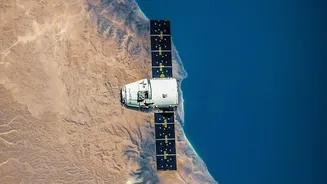
The primary appeal of space-based data centres is access to near-constant, abundant solar energy. A solar panel in the right orbit can be up to eight times more productive than one on Earth, generating power almost continuously. This bypasses the need to build massive new power plants and transmission lines on the ground. Another major advantage is cooling. In the vacuum of space, the intense heat generated by thousands of computer chips can radiate away, solving one of the biggest and most expensive challenges for terrestrial data centres. By moving the most energy-intensive AI workloads, like model training, into orbit, Earth-based systems would be freed up for tasks that require low latency. Proponents envision a future where these orbital systems become a new pillar of the digital economy.
Musk’s Vision and Timeline
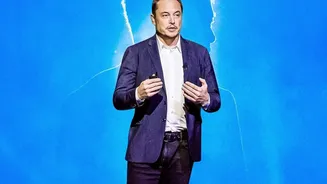
Elon Musk has become a vocal proponent of this off-planet shift, suggesting that it could become cost-effective far sooner than many believe. In late 2026, he asserted that space could become the most compelling environment for AI computing within 30 to 36 months, projecting that orbital capacity could begin to outpace terrestrial growth around 2029. This vision involves his companies working in concert: SpaceX would use its Starship rocket for heavy-lift launches and the Starlink satellite network for high-speed data transmission. SpaceX has already filed applications for an orbital data centre service and plans to launch a demonstration payload in late 2027. However, this aggressive timeline is met with skepticism, as it glosses over enormous engineering and economic hurdles.
The Astronomical Hurdles
Despite the theoretical benefits, the practical challenges of building and operating data centres in space are immense. The primary obstacle is cost. Even with improvements in launch technology, deploying infrastructure in orbit remains significantly more expensive than building on Earth. Analysts suggest a persistent cost premium will remain for the foreseeable future. Furthermore, operating sensitive electronics in space presents unique difficulties, including the risk of damage from cosmic radiation, the challenge of performing maintenance, and the threat of space debris. Data transmission is another issue; while laser links offer high speeds, they are still far from matching the capacity of terrestrial fibre-optic networks. For these reasons, many experts believe that while smallscale orbital computing is feasible, its use as a largescale replacement for Earthbased data centres remains decades away.