

A Land Forged by Collision
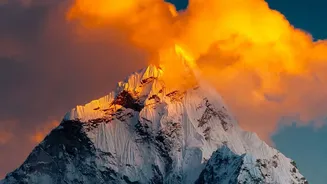
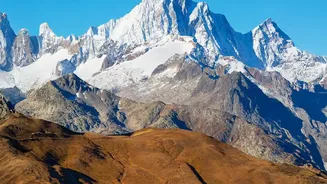
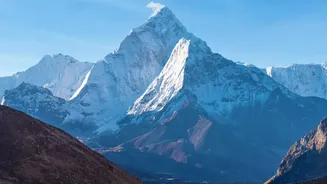
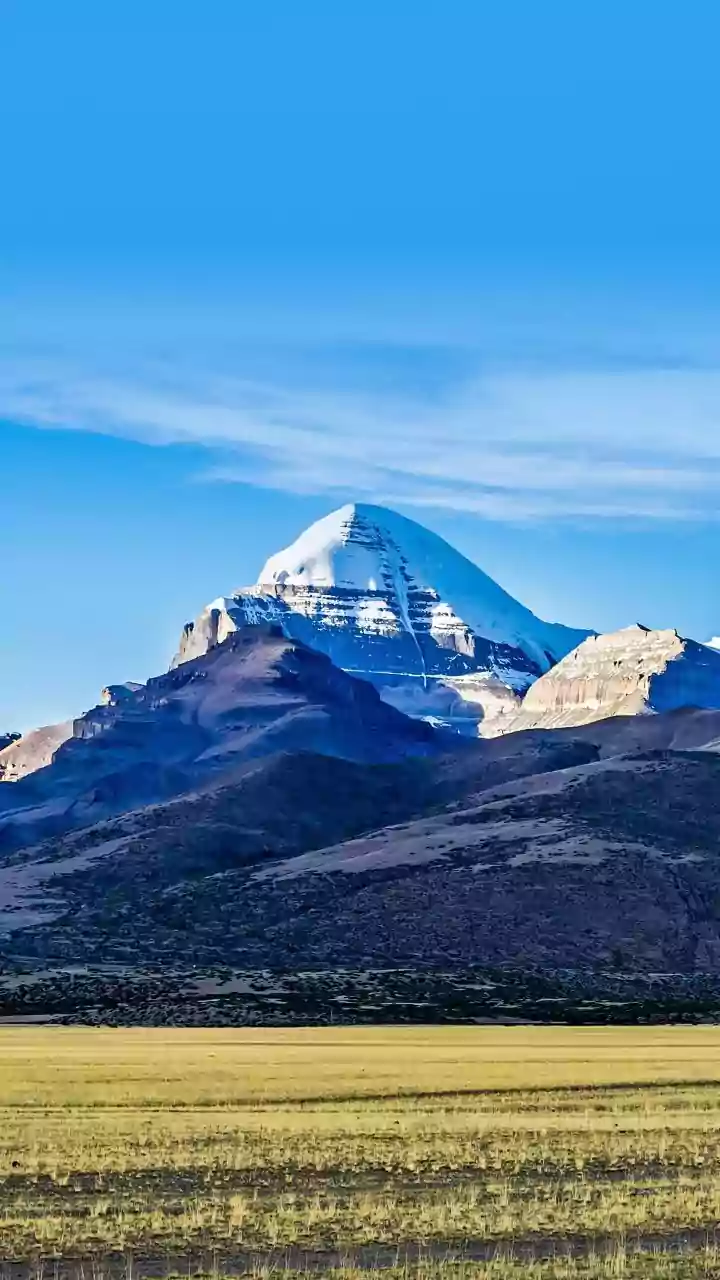
Nepal's susceptibility to disasters begins with its fundamental geology. The country sits where the Indian tectonic plate pushes under the Eurasian plate, a slow-motion collision that continues to build the Himalayas. This process makes the region one
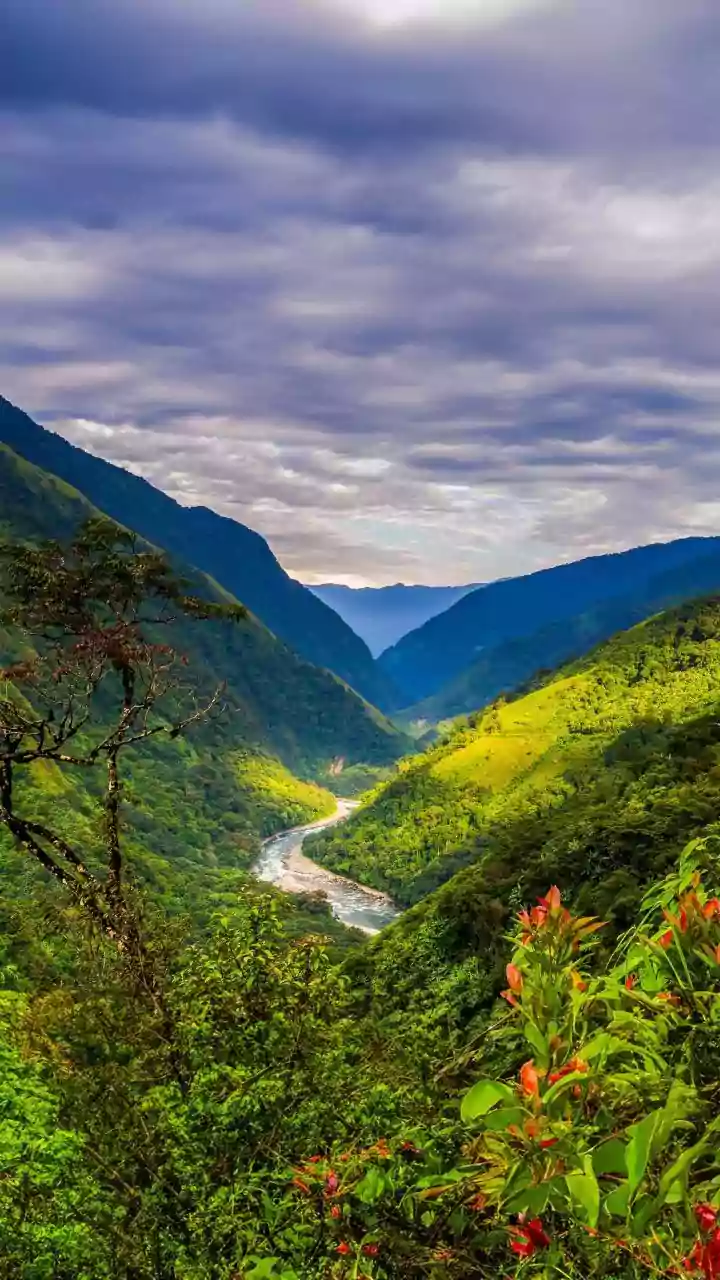
of the most seismically active in the world. More importantly, it has created a landscape of steep, rugged slopes composed of young, weak rock. This terrain is inherently unstable, a foundation of fragility long before the first raindrop falls. The constant tectonic pressure and frequent earthquakes further weaken the rock structure, priming the mountains for collapse.
When the Monsoon Arrives
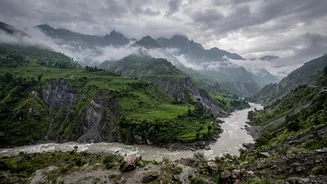
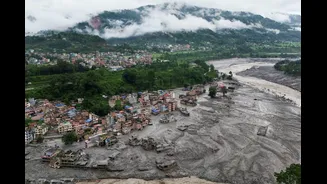
The primary trigger for many of Nepal's disasters is the annual monsoon, which delivers about 80% of the country's total rainfall between June and September. This isn't just gentle rain; it's often a period of intense, concentrated downpours. On Nepal's steep slopes, this massive volume of water saturates the loose soil and weak rock, increasing its weight and lubricating potential failure points. The result is a dramatic increase in landslides, which are the most common and recurring hazards in the hilly regions. These are not small slips of mud; they can be massive flows of rock, soil, and debris that wipe out everything in their path, from homes and farms to critical infrastructure like roads and bridges.
A New Threat: Melting Ice
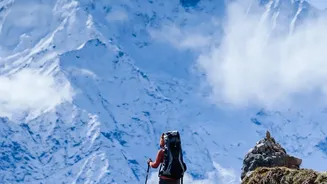
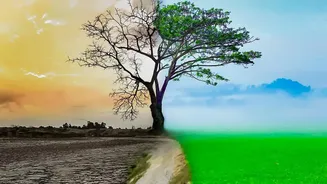
Climate change is adding a dangerous new dimension to Nepal's risk profile. Rising global temperatures are amplified at high altitudes, causing the Himalayan glaciers to melt at an alarming rate. As these glaciers retreat, they leave behind vast lakes of meltwater, often held in place only by unstable dams of loose rock and debris known as moraines. These are called glacial lakes, and the number of potentially dangerous ones is growing. The risk is that these natural dams can suddenly burst, triggered by an avalanche, an earthquake, or simply the pressure of the rising water. This unleashes a Glacial Lake Outburst Flood (GLOF), a catastrophic wall of water and debris that rushes down narrow mountain valleys with immense destructive force.
The Human Factor
While geology and weather set the stage, human activities often exacerbate the risk, turning natural hazards into human disasters. Widespread deforestation for agriculture and settlement removes the tree roots that naturally bind soil to hillsides. More significantly, the rapid and often haphazard construction of rural roads has become a major trigger for landslides. When roads are cut into fragile hillsides without proper engineering studies or stabilization measures, they create deep instabilities that can easily fail during heavy rains. Furthermore, settlements often expand into high-risk areas like riverbanks and the base of unstable slopes, placing more people directly in harm's way.
A Cascade of Consequences
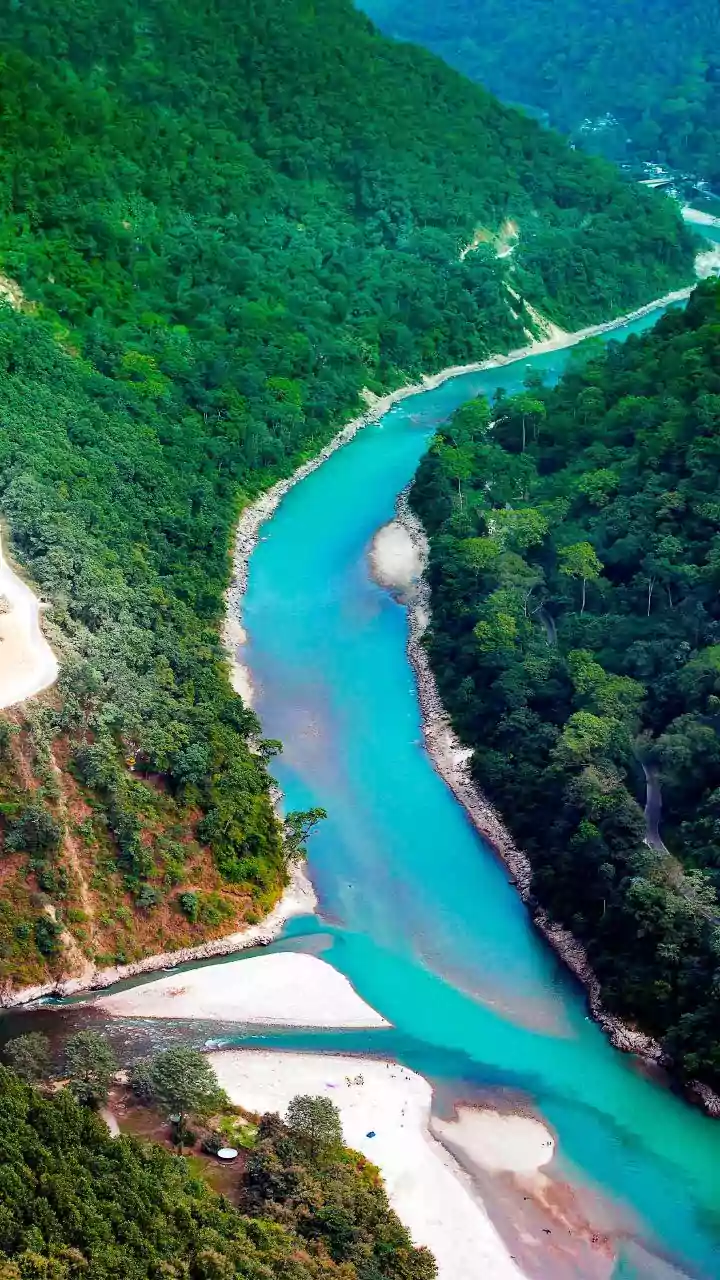
Disasters in Nepal's mountains rarely stay contained. They often create a chain reaction of hazards known as a 'cascade effect'. A landslide high in the mountains can roar into a river, forming a temporary dam. When this dam inevitably breaks, it releases a flash flood that can be far more destructive than the initial landslide, affecting communities far downstream. These events destroy vital infrastructure like hydropower plants and bridges, isolate remote communities by cutting off roads, and wash away precious agricultural land, threatening livelihoods and food security. The impact flows from the highest peaks down to the southern plains, linking the country in a shared web of vulnerability.