



The Grave Risk of Accidental Ingestion
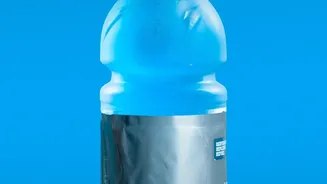
One of the most immediate dangers of using improper containers is accidental poisoning. When a cleaning fluid is stored in an old water, juice, or soda bottle, it can be easily mistaken for a beverage by anyone in the house — not just children, but adults
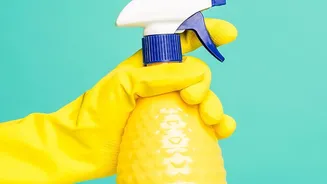
as well. A moment of distraction is all it takes for a tragedy to occur. For children, the risk is magnified. Brightly coloured liquids in familiar-looking bottles are enticing, and child-resistant caps are often absent on these makeshift containers. Household cleaners are a leading cause of unintentional poisoning in young children, with products like bleach, drain cleaners, and all-purpose sprays being common culprits. The consequences can range from throat irritation to severe internal burns or worse.
Creating Deadly Cocktails by Mistake
Many people believe that mixing different cleaning agents will boost their power, but this is a dangerously false assumption. Many household chemicals, when combined, create toxic gases that can cause serious injury or even death. For example, mixing bleach with a cleaner containing ammonia produces chloramine gas, which can cause chest pain, shortness of breath, and severe lung damage. Combining bleach with an acid-based cleaner like toilet bowl cleaner or even vinegar creates chlorine gas, a highly toxic substance that can lead to severe respiratory distress and burning sensations. Other dangerous mixtures include bleach and rubbing alcohol, which creates toxic chloroform, and hydrogen peroxide with vinegar, which forms corrosive peracetic acid. Keeping all products in their original, clearly marked containers is the only way to prevent these hazardous chemical reactions.
A Nightmare for First Responders
In the event of an accidental ingestion or exposure, an unlabelled container creates a critical and dangerous information gap for medical professionals. When someone calls an emergency number or arrives at a hospital, the first question is always, "What did they ingest?". Without the original container, it's impossible to know. The product's label and its Safety Data Sheet contain vital information about its chemical composition, the specific risks it poses, and the appropriate first aid measures. Without this information, doctors and poison control centres are left guessing, which can delay or prevent effective treatment. In one documented case, the lack of a container forced a physician to test the pH of a swallowed liquid to determine it was a corrosive alkaline, but this was after the patient had already suffered a perforated esophagus.
The Golden Rules of Safe Storage
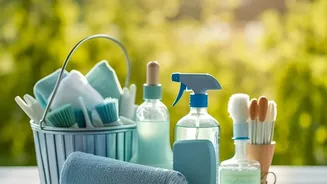
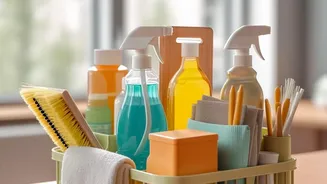
Protecting your household from these preventable accidents is straightforward if you follow a few simple rules. First and foremost, always store chemicals in their original containers. This ensures the ingredients, usage instructions, and safety warnings are always accessible. Store all cleaning products in a high, locked cabinet, safely out of the reach and sight of children and pets. It's also wise to store them away from food and drinks to avoid any cross-contamination. After each use, immediately return the product to its secure storage location. Never leave chemicals unattended, even for a moment. By making these habits a routine, you create a much safer home environment.
If You Absolutely Must Transfer Chemicals
While it is strongly advised against, there might be rare situations where transferring a chemical is deemed necessary. If this is unavoidable, never use a food or beverage container. Instead, use a new, clean container specifically designed for that type of chemical. Crucially, this secondary container must be labelled immediately and accurately. According to safety regulations like those from OSHA in the United States, a proper label should include the product identifier (the name of the chemical), signal words like "Danger" or "Warning," and statements that describe the specific hazards. This ensures that anyone who handles the container understands its contents and the associated risks. Taking a shortcut on labelling is not worth the potential for a life-altering accident.