



Start With a Clean Slate
The first step in preparing for new plants is to thoroughly empty and clean your old pots. Remove the previous plant and dump out all the old potting soil. It's tempting to reuse it, but old soil can harbor pests and diseases that could harm your new plants.
If the previous plant was healthy, you can spread the old soil in a garden bed or add it to a compost pile. Once empty, use a stiff brush to scrub away any remaining soil, roots, and salt deposits from both the inside and outside of the pot. A simple solution of warm, soapy water is often sufficient for this initial cleaning. The goal is to remove all visible debris before moving on to the crucial next step.
Disinfect to Prevent Disease
Even a pot that looks clean can house invisible fungal spores or bacteria that can doom your next plant. Disinfecting is a non-negotiable step, especially if the previous plant had any issues with disease or pests. A common method is to soak the pots in a solution of one part household bleach to nine or ten parts water for at least 10 to 30 minutes. For those who prefer a non-bleach alternative, a solution of white vinegar and water can also be effective, though it may require a longer soak time. After soaking, rinse the pots thoroughly with clean water to remove any chemical residue and let them air dry completely. This sterilization process ensures your new plant gets a truly fresh and healthy start.
Give Terracotta Pots Special Care
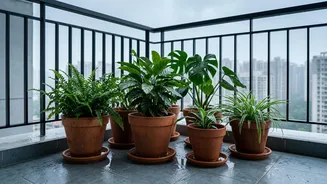
Terracotta pots, with their porous nature, require an extra step. Because unglazed clay absorbs water, a dry pot can wick moisture away from the fresh soil and the new plant's roots, causing it to dry out quickly. To prevent this, it's best practice to presoak new or newly cleaned terracotta pots before planting. Submerge the pot completely in water for at least a few hours, or even overnight. You'll know it's saturated when it stops bubbling and takes on a darker, uniform colour. This simple step ensures the pot won't compete with your plant for water during the crucial adjustment period.
Ensure Excellent Drainage
Proper drainage is one of the most critical factors for the health of potted plants. Without it, water pools at the bottom, saturating the soil and depriving roots of the oxygen they need to breathe. This leads to root rot, a common and often fatal issue for container plants. Before adding any soil, check that the pot's drainage holes are clear of any obstructions. While it was once common practice to add a layer of gravel or broken pottery to the bottom of pots, many gardening experts now advise against this, as it can actually impede drainage by creating a perched water table. A pot with adequate drainage holes and a well-aerated potting mix is the best combination for healthy roots.
Replenish the Soil
Never use soil straight from your garden in a pot; it's too dense, compacts easily, and can introduce pests. Always opt for a high-quality, fresh potting mix designed for containers. If you are certain your old soil is disease-free, you can rejuvenate it, but it requires some effort. To revitalize old soil, you should mix it with fresh potting mix (a 50/50 ratio is often recommended) and amend it with compost to restore nutrients that were depleted over the last season. For most gardeners, starting with a fresh bag of potting mix is the simplest and safest way to provide the well-draining, nutrient-rich environment your new plants need to flourish.