
Understanding Antioxidants
Before we dive into cooking methods, let's talk about why we want to preserve nutrients in the first place. Vegetables are packed with powerful compounds called antioxidants. These include familiar names like Vitamin C and beta-carotene, as well as lesser-known
but equally important ones like polyphenols and glucosinolates. Antioxidants are your body's defence squad, protecting your cells from damage caused by unstable molecules known as free radicals. This protection is linked to a lower risk of chronic diseases. The goal of any cooking method should be to keep these valuable compounds as intact as possible.
The Gentle Power of Steaming
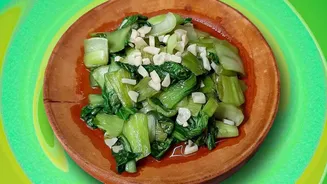
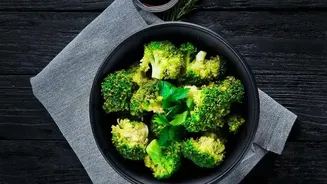
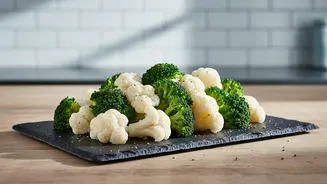
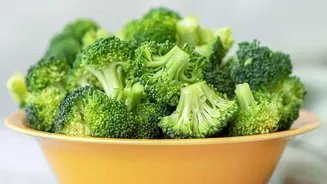
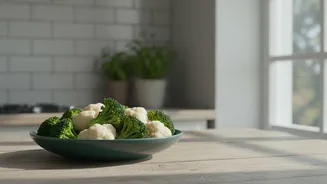
Steaming is a cooking method that uses moist heat from boiling water, but the vegetables themselves don't touch the water. This separation is crucial. Many important nutrients, especially water-soluble vitamins like Vitamin C and most B vitamins, can leach out into the cooking water during methods like boiling. Because steaming minimises water contact, it dramatically reduces this nutrient loss. Studies have consistently shown steaming to be one of the best methods for preserving these delicate compounds. For example, research on broccoli found that steaming was the only method that preserved, and in some cases even increased, cancer-fighting compounds called glucosinolates. This gentle, brief cooking process keeps vegetables vibrant, crisp, and full of their original goodness.
The High-Heat Trade-Off of Stir-Frying
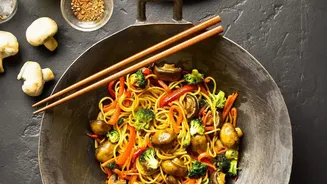
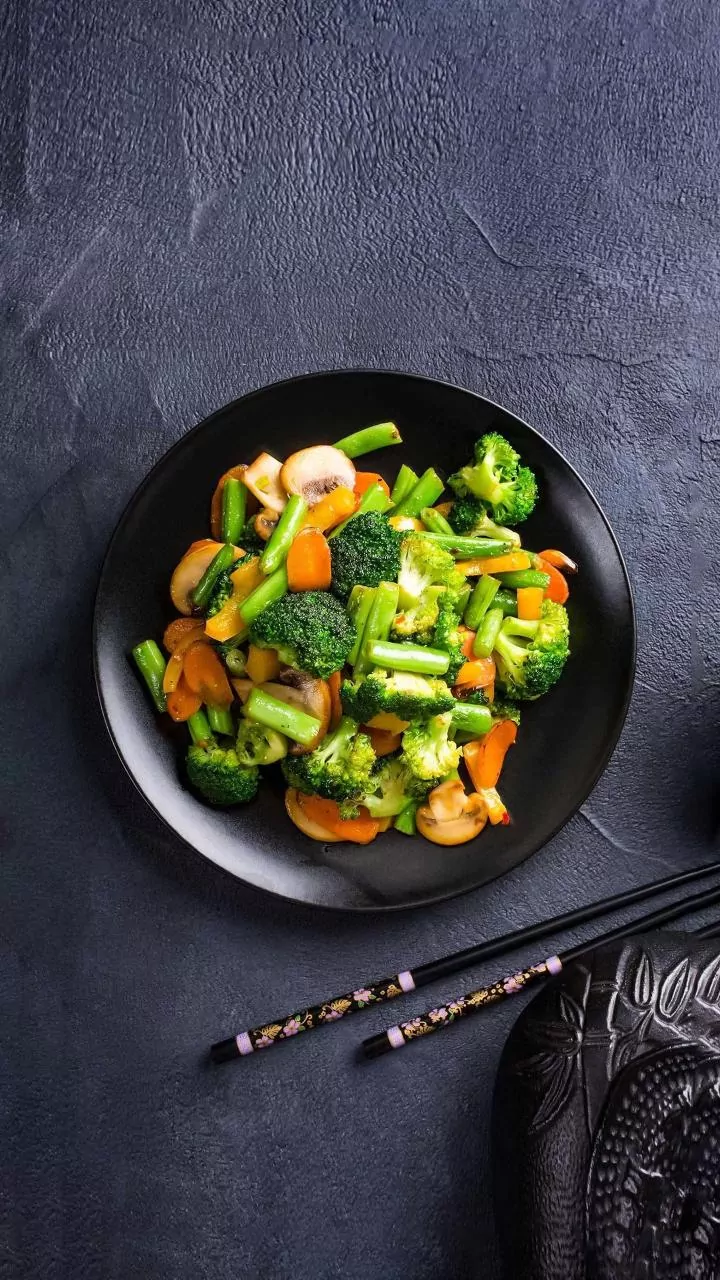
Stir-frying, a beloved and quick cooking technique, involves cooking vegetables in a small amount of oil over very high heat. While quick, this intense heat can be a double-edged sword. Some studies indicate that stir-frying can cause significant losses of heat-sensitive nutrients. For example, one study on broccoli showed that stir-frying resulted in considerable loss of vitamin C. While it's generally better than boiling, which can be disastrous for water-soluble vitamins, the high, direct heat of a wok or pan can degrade antioxidants more than the indirect, moist heat of steaming. While a quick stir-fry is still a healthy way to eat your vegetables, it may not be the optimal choice for maximising antioxidant retention when compared to steaming.
The Scientific Verdict
When researchers put different cooking methods to the test, steaming frequently comes out on top for nutrient preservation. A 2009 Chinese study that looked at broccoli found that steaming was the only method that preserved nutrients like chlorophyll and vitamin C when compared to microwaving, boiling, and stir-frying. Another study highlighted that frying can cause a nearly 85% loss of healthy glucosinolate compounds in broccoli, while steaming can actually increase them. The key factors are temperature and contact with water. Steaming uses a relatively low, indirect temperature and avoids direct water contact, creating the ideal environment to soften vegetables just enough for digestion while keeping their nutritional integrity.
How to Steam Like a Pro
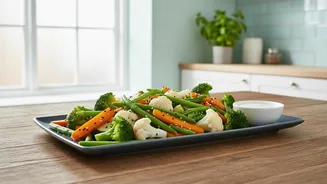
Ready to get the most out of your vegetables? Mastering the art of steaming is simple. First, you don't need fancy equipment; a simple metal or bamboo steamer basket placed inside a pot with a lid will do. Add just enough water to the pot so it sits below the bottom of the basket. Bring the water to a boil, then add your chopped vegetables to the basket, cover, and reduce the heat to a simmer. Cook time is key: you're aiming for 'tender-crisp', not mushy. This can take as little as 3-5 minutes for leafy greens like spinach or up to 8-10 minutes for denser vegetables like carrots or broccoli florets. To add flavour, you can infuse the steaming water with herbs, garlic, or ginger.