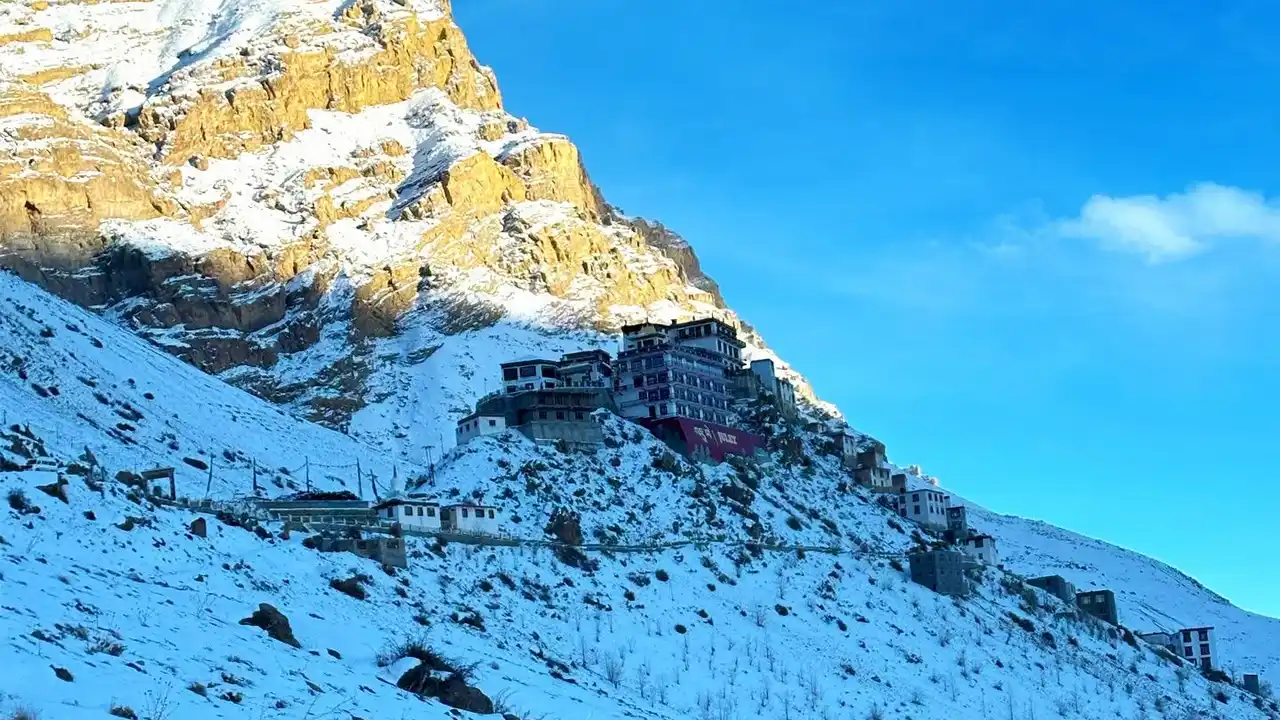


Understanding the Dual Challenge
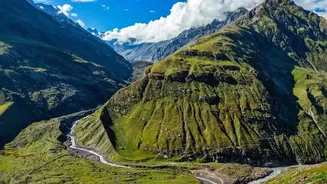
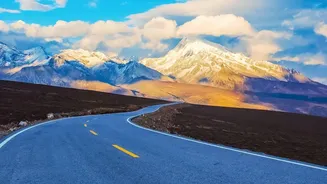
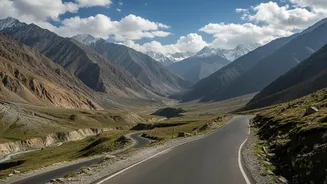
The journey from Manali to Leh is as much a battle against geography as it is a scenic drive. The primary challenge is the altitude. Starting from Manali (around 6,700 feet), the road climbs steeply, crossing multiple passes over 15,000 feet. This rapid
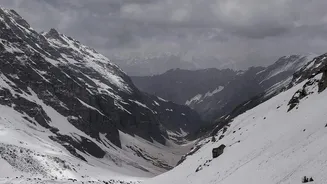
ascent can lead to Acute Mountain Sickness (AMS), a condition caused by your body's struggle with lower oxygen levels. Symptoms range from headaches and nausea to more severe, life-threatening issues. The second challenge is the late monsoon. While Ladakh itself is a rain-shadow desert, the Manali side of the highway is not. August and early September can bring heavy rains, triggering landslides and flash floods that can shut down roads for hours or even days. Water crossings, or 'nalas', fed by melting glaciers and rain, become treacherous, with water levels rising dramatically in the afternoons.
Acclimatisation: Your Most Important Task
Proper acclimatisation is non-negotiable. The golden rule is to ascend gradually, allowing your body time to adjust. Rushing the journey is the single biggest mistake travellers make. A well-planned trip should take a minimum of two days, with an essential overnight halt. The ideal first-night stop is Jispa or Keylong, both situated at around 10,500 feet. Staying here, at a lower altitude than the subsequent passes, gives your body a crucial window to acclimatise before you push higher towards Sarchu and the Tanglang La pass. Upon reaching Leh (11,500 feet), you must rest for at least 24 to 48 hours before planning any further excursions to even higher altitudes like Khardung La or Pangong Tso. During this period, avoid strenuous activity, stay hydrated by drinking 3-4 litres of water daily, and avoid alcohol and smoking, as they can worsen AMS symptoms.
Navigating Treacherous Road Conditions
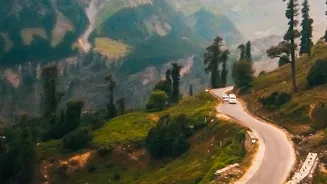
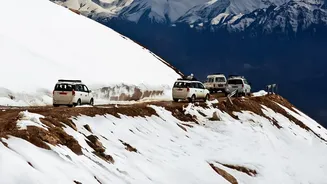
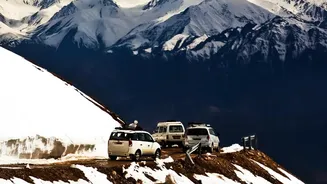
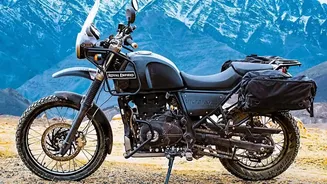
Late monsoon makes the highway unpredictable. While the Border Roads Organisation (BRO) works tirelessly to keep the route open, landslides, especially between Manali and Keylong, can cause significant delays. Always start your day early. This is especially critical for tackling water crossings like Pagal Nala, which are calmer in the morning before the afternoon sun melts glaciers and swells the streams. A high-ground-clearance vehicle, like an SUV, is highly recommended. While smaller cars can make the journey, they are more vulnerable to getting stuck in water crossings or on slushy, broken stretches of road. Experienced drivers are a must, as the road features sharp hairpin bends like the Gata Loops and steep, gravelly ascents to passes like Baralacha La. Never drive at night. Always carry enough cash, as ATMs are only reliably found in Manali, Keylong, and Leh.
Know the Signs and Stay Safe
Recognising the early symptoms of AMS is critical for everyone in your group. Mild symptoms include headache, dizziness, nausea, loss of appetite, and fatigue. If you or a travel companion experience these, do not ascend further. Rest at your current altitude, hydrate, and take it easy. Painkillers can help with a headache, but if symptoms persist or worsen—such as developing a persistent cough, shortness of breath even at rest, confusion, or loss of coordination—it signals a medical emergency. The only effective treatment for severe AMS is immediate descent to a lower altitude. A drop of just 300-500 metres can often make a significant difference. Consulting a doctor before your trip about preventative medication like Acetazolamide (Diamox) is also a wise precaution.
Essential Packing and Vehicle Prep
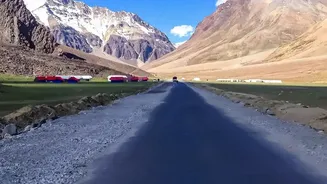
Your packing list should prioritise warmth and weather protection. Pack in layers: thermal wear, fleece jackets, and a waterproof and windproof outer shell are essential. The temperature can swing dramatically from a warm afternoon to sub-zero nights, especially if you're camping at Sarchu or Pang. Also pack waterproof boots, woollen socks, a warm cap, sunglasses, and high-SPF sunscreen, as the UV rays at high altitude are intense. Your medical kit should contain basics for cuts and pains, as well as any prescribed AMS medication and a pulse oximeter to monitor your oxygen levels. For your vehicle, ensure it's fully serviced. If driving yourself, carry a basic toolkit, a puncture repair kit, and an air inflator. Given the distance between fuel stations, it's wise to carry spare fuel in a jerry can, especially for the stretch between Tandi and Karu.