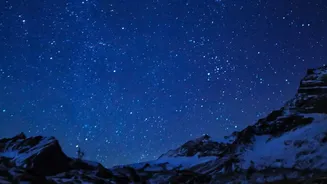


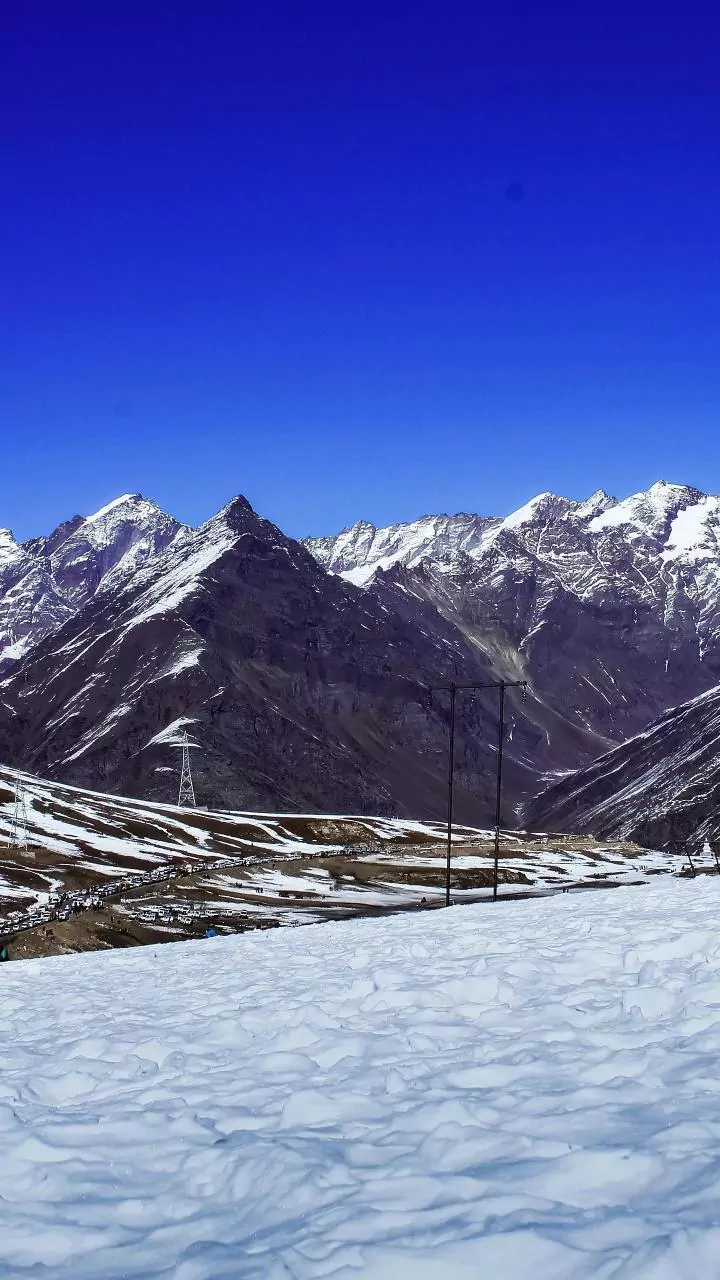
The Indian Himalayas in winter offer unparalleled celestial views. But where do you go for the clearest skies and minimal light pollution? Here are the top spots for your next astrophotography and camping adventure.
Hanle, Ladakh: India's Celestial Sanctuary
For the most dedicated night sky photographers,
Hanle in Ladakh is the ultimate destination. Officially designated as India's first Dark Sky Reserve, this remote high-altitude region offers some of the most pristine viewing conditions on the planet. Located at an elevation of around 4,500 metres, Hanle benefits from extremely dry air, over 250 clear nights a year, and virtually zero light pollution, giving it a top rating on the Bortle scale for sky darkness. This is why it's home to the Indian Astronomical Observatory. Winter camping here is an extreme undertaking due to freezing temperatures, but the reward is extraordinarily clear views of deep-sky objects like nebulae and distant galaxies that are often impossible to capture elsewhere in India. The stark, frozen landscape provides a surreal foreground for capturing the bright core of the Milky Way. Due to its remoteness, thorough planning and acclimatisation are essential.
Spiti Valley, Himachal Pradesh: The Cold Desert Starscape
Spiti Valley is a high-altitude cold desert that becomes a paradise for astrophotographers, especially from October to March. Its location in the trans-Himalayan rain shadow means it is cut off from monsoon clouds, resulting in exceptionally transparent skies. Villages like Kaza, Kibber, Langza, and Hikkim, all situated above 3,800 metres, serve as excellent bases. The combination of high altitude, bone-dry air, and minimal population density ensures a dazzling celestial display. Photographers flock here to frame ancient monasteries and the iconic Langza Buddha statue against a backdrop of star trails and the Milky Way. While winter access can be challenging, with the road from Manali often closed, the route via Shimla typically remains open longer. The reward for braving the cold is sharp, crisp images and the profound silence of the Himalayan winter.
Nubra Valley, Ladakh: A Sky Full of Diamonds
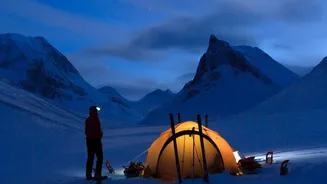
Separated from the Indus Valley by the formidable Khardung La pass, Nubra Valley offers another spectacular Ladakhi option for astrophotography. This high-altitude cold desert is known for its unique landscapes, including the famous sand dunes of Hunder, which provide a stunning setting for night shoots. Its isolation between the Karakoram and Ladakh ranges results in very low light pollution and a dry climate, creating ideal conditions for clear night skies. While many visit during the summer, the winter months offer even greater atmospheric clarity, though temperatures are severe. Camping is a popular way to experience Nubra, with numerous sites offering a front-row seat to the cosmos. The combination of accessible campsites and profoundly dark skies makes it a compelling choice for photographers looking to capture the grandeur of the winter night sky.
Mukteshwar, Uttarakhand: An Accessible Celestial Window
For those seeking a more accessible Himalayan experience without venturing into the extreme altitudes of Ladakh or Spiti, Mukteshwar in Uttarakhand is an excellent choice. Perched at an elevation of around 2,285 metres, it provides a fantastic balance of clear winter skies and accessibility. The winter months, from December to February, are particularly good for stargazing, as the cold, dry air reduces atmospheric haze and offers exceptional clarity. While it has more light pollution than Hanle or Spiti, its remote pockets are dark enough to observe prominent constellations like Orion, view the Andromeda galaxy, and capture beautiful celestial images. Several observatories and astro-tourism operators in the area provide guided sessions, making it a great destination for both beginners and seasoned photographers. Camping here is also more manageable, offering a comfortable yet rewarding winter stargazing experience.