







Tackling Dampness and Musty Odours
The biggest challenge during the monsoon is the pervasive feeling of dampness and the accompanying musty smell that clings to everything. This is caused by excess moisture in the air, which prevents things from drying properly. Good ventilation is your
first line of defence; open windows whenever there’s a break in the rain to let fresh air circulate. For a natural approach, place bowls of rock salt or baking soda in damp corners to absorb moisture. Small cloth bags filled with camphor or neem leaves can be placed in wardrobes and drawers to fight odours and deter insects. For more persistent issues, a dehumidifier is a worthy investment, especially for bedrooms or closets. You can also use silica gel packets, often found in new shoe boxes, in smaller enclosed spaces like cabinets to keep moisture at bay.
Winning the War Against Mould and Mildew
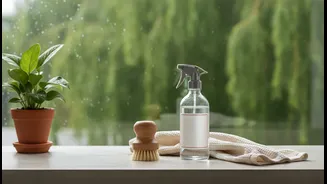
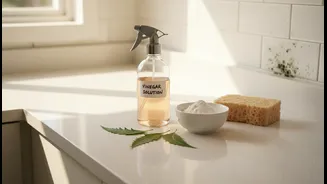
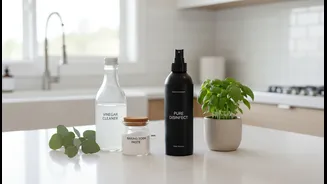
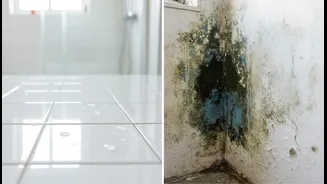
Dampness inevitably leads to its ugly cousins: mould and mildew. These fungi are not just unsightly; they can trigger allergies and respiratory issues. Mould can begin to grow on damp surfaces within just 24 to 48 hours. For a natural fix on hard surfaces like tiles and kitchen counters, a spray bottle filled with a solution of equal parts white vinegar and water is effective. Tea tree oil, known for its antifungal properties, can be added to water for a powerful cleaning spray. For disinfection, especially in bathrooms or on stubborn patches, a 3% hydrogen peroxide solution can be used. Spray it on, let it sit for about ten minutes, and then scrub and wipe clean. Always ensure the area is well-ventilated when cleaning mould. For severe or widespread mould, it is always best to consult a professional.
Keeping Floors Clean and Germ-Free
With the constant coming and going, floors bear the brunt of muddy footprints and grime during the monsoon. Regular cleaning is crucial. A simple and effective natural floor cleaner can be made by adding white vinegar to your mopping water; its acidic nature helps cut through dirt. For a pleasant aroma and added antibacterial properties, a few drops of lemon or eucalyptus essential oil can be added. When more serious disinfection is needed, especially if you have pets or small children, opt for a floor cleaner that is specifically marked as pet- and child-safe. Always read the label and dilute as instructed. After mopping, try to dry the floor quickly with a fan or by opening windows to prevent the moisture from lingering.
An Army of Unwanted Guests
The monsoon forces many pests, from cockroaches and ants to mosquitoes, to seek shelter in our dry homes. Eliminating standing water around the house is the most critical step to prevent mosquito breeding. Check plant saucers, buckets, and any open containers. For a natural deterrent, you can grow insect-repelling plants like mint and basil. Sprinkling cinnamon powder in corners or using essential oils like peppermint can help keep some insects away. However, a serious infestation may require stronger measures. Use targeted, low-toxicity insect sprays for specific problem areas, and seal cracks or gaps around doors and windows to block entry points. For a non-toxic option against crawling insects, diatomaceous earth can be effective.
Protecting Furniture and Wardrobes
Wooden furniture and clothes stored in wardrobes are particularly vulnerable to moisture, which can cause wood to swell and encourage fungal growth. To naturally protect your clothes and linens, use traditional Indian remedies like placing dried neem leaves or camphor balls in your cupboards. You can also line shelves with newspaper, which is excellent at absorbing excess moisture. For wooden furniture, avoid using very wet cloths. Instead, wipe surfaces with a microfiber cloth that is only slightly damp. If you need to disinfect, add a few drops of a gentle disinfectant to the water, wipe the surface, and then immediately dry it with a clean, soft cloth to prevent any moisture from seeping into the wood.