







Why Winter Dries Out Your Skin
Before raiding the fruit bowl, it helps to understand why winter is so tough on our skin. The combination of cold outdoor air, low humidity, and dry indoor heating creates a perfect storm for dehydration. This harsh environment strips the skin of its
natural oils, weakening its protective barrier. As a result, moisture evaporates more easily, leaving your skin feeling tight, flaky, and irritated. For those with conditions like eczema or psoriasis, this season can be particularly challenging. It’s no wonder people start looking for creative, accessible solutions to restore moisture and glow.
The Allure of the Fruit Peel Fix
The idea of using something as natural and inexpensive as a fruit peel is incredibly appealing. Social media is filled with videos of people rubbing banana peels on their faces to reduce wrinkles or using orange peel packs for a brighter complexion. The logic seems sound: these peels contain nutrients that are good for us. Banana peels are touted for their antioxidants, vitamins, and minerals. Similarly, orange peels are famous for containing Vitamin C and citric acid, which are known ingredients in brightening skincare products. The promise is a simple, zero-waste beauty hack that costs next to nothing and uses ingredients you already have. But just because a food contains beneficial nutrients doesn't mean your skin can absorb them from a raw peel.
Orange Peels: A Bright Idea or a Bad One?
Orange peels are rich in antioxidants and their powder can offer mild physical exfoliation, helping to buff away dead skin cells for a temporarily smoother look. However, the skin benefits are often overstated. The Vitamin C in fresh peels is highly unstable and breaks down quickly when exposed to air and light, meaning very little likely makes it into your skin from a homemade mask. More importantly, there are risks. The citric acid and essential oils in the peel can cause significant irritation, redness, and sun sensitivity. Some citrus oils are even phototoxic, meaning they can cause burn-like reactions when skin is exposed to sunlight. Furthermore, unless the fruit is organic, the peel can be coated in pesticides that you don't want on your face. Dermatologists generally advise against it, recommending professionally formulated Vitamin C products that are pH-balanced for safety and effectiveness.
Going Bananas for Hydration?
The internet trend of using banana peels, sometimes called 'nature's Botox', claims they can reduce wrinkles, soothe inflammation, and hydrate the skin. While banana peels do contain antioxidants and compounds with potential anti-inflammatory properties, there is currently no scientific evidence to prove that rubbing a raw peel on your face provides any significant or lasting benefits. Some experts suggest any smoothing effect is likely temporary and may come from tannins, which are natural astringents that can momentarily tighten the skin. Another theory is that leaving the peel on the skin can create a barrier that seals in moisture, making it look better for a short time. However, the risks include potential allergic reactions or irritation, especially for sensitive skin. Experts agree you are better off eating the banana and using products formulated for skin.
What Dermatologists Really Think
When it comes to DIY skincare, most dermatologists urge caution. Cosmetic chemists spend years developing products that are stable, safe, and formulated to penetrate the skin effectively. Raw food ingredients are not. Their active compounds are often not in a form the skin can absorb, and the pH levels can be wrong, leading to irritation rather than benefits. There's also the risk of bacteria and pesticides from unwashed peels. For those with chronic conditions like eczema, applying raw food products to already compromised skin can make things much worse. The consensus is clear: while it might seem natural and harmless, DIY fruit peel treatments are an unpredictable gamble for your skin.
Smarter Ways to Soothe Winter Skin
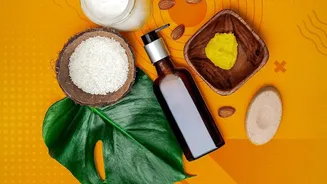
Instead of reaching for food waste, there are many safe and effective ways to combat dry winter skin. Start by using lukewarm water for showers and cleansing, as hot water strips natural oils. Immediately after bathing, apply a quality moisturizer to damp skin to lock in hydration. Look for products containing proven ingredients like shea butter, coconut oil, aloe vera, and honey. For exfoliation, choose gentle, formulated products over abrasive scrubs or potentially irritating fruit acids. A simple, consistent routine with products designed for your skin type will deliver far better and safer results than any kitchen experiment.