


The Soul-Warming Tradition of Rasam
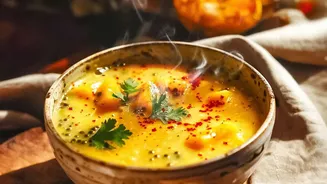
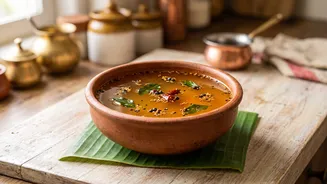
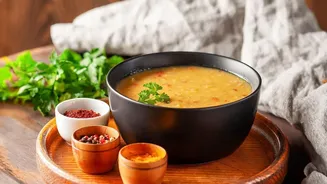
Pepper rasam, or 'milagu rasam', is a staple in South Indian homes, especially during monsoon and winter. It's a thin, flavourful soup made from a tamarind base, simmered with tomatoes, and spiced generously with black pepper, cumin, and garlic. For generations,
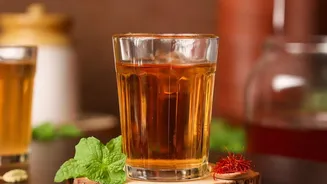
it has been the go-to meal for someone with a scratchy throat, a blocked nose, or a general feeling of malaise. Served steaming hot with soft rice or sipped on its own from a tumbler, rasam is more than just food; it’s a ritual of care. Its role is similar to that of chicken soup in the West or khichdi in North India — a light, digestible, and deeply comforting meal for recovery. The very aroma is enough to make one feel a little better, evoking a sense of home and warmth when you need it most.
Deconstructing the Ingredients
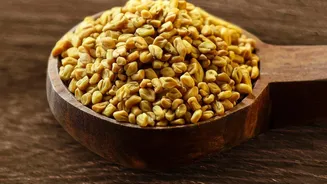
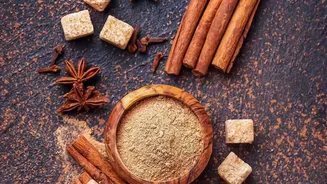
The belief in rasam's healing properties isn't just folklore; it’s rooted in the ingredients themselves. The primary spice, black pepper, contains piperine, an compound known for its anti-inflammatory and antioxidant properties. Cumin and garlic, also key components, are traditionally used to aid digestion and support immunity. Turmeric, another common addition, contains curcumin, which has been studied for its anti-inflammatory effects. Tomatoes and tamarind provide a dose of Vitamin C and other antioxidants. These spices and herbs have been part of traditional remedies, like Ayurveda and Siddha medicine, for centuries, used to kindle digestive fire and soothe respiratory symptoms.
What Rasam Actually Does for a Cold
So, how does this translate to fighting the flu? When you have a viral infection, your body needs three main things: hydration, nutrition, and rest. Rasam helps significantly with the first two. As a warm liquid, it is incredibly hydrating and helps soothe a sore, irritated throat. The heat and spices, particularly pepper and garlic, can act as natural decongestants, helping to temporarily clear nasal passages and relieve that stuffy feeling. Furthermore, when your appetite is low, this light broth is easy to digest and provides essential nutrients and minerals to keep your energy up. In essence, rasam is excellent for managing the uncomfortable symptoms of a cold or flu.
Food for Comfort, Not a Cure for Infection
This is where we must draw a clear line. While rasam can make you feel better, there is no scientific evidence that it can cure a viral infection like the flu or the common cold. The bioactive compounds in its spices, while potent, are not present in high enough concentrations in a bowl of soup to act as an antiviral medicine. Studies have shown that while individual ingredients possess certain antibacterial or antiviral properties in a lab setting, the prepared dish itself does not function as a medical treatment. Viral infections need to run their course, and the body's immune system does the heavy lifting. Foods like rasam support this process by providing hydration and easy nutrition, but they do not eradicate the virus. Thinking of rasam as a 'cure' is a myth.
The Final Verdict for Flu Season
Pepper rasam is, without a doubt, one of the best things you can eat when you're sick. It’s nourishing, hydrating, and provides immense psychological comfort. Its ingredients contribute to a healthy diet that supports your immune system. It helps you manage symptoms like a sore throat and congestion, making the recovery process more bearable. However, it is not a replacement for proper medical care or proven treatments for influenza. Think of it as a supportive tool in your recovery kit, not a silver bullet. Enjoy its warmth and heritage, and let it comfort you while your body and, if needed, modern medicine do the real work of fighting the infection.