



Accommodation That Won't Break the Bank
One of the biggest expenses on any trip is lodging, and this is where Vietnam first proves its value. The country has a well-established backpacker trail with a huge selection of hostels. A dorm bed in a clean, social, and safe hostel can cost as little
as ₹500–₹1,200 per night. Even in popular cities like Hanoi and Ho Chi Minh City, you can find quality spots with air conditioning, privacy curtains, and sometimes even a free breakfast for well under ₹1,000. For those wanting more privacy, basic private rooms in guesthouses are also remarkably affordable, often available for ₹1,500–₹2,500. This low cost of lodging means you can stay longer and explore deeper without the financial pressure you might feel in other destinations.
A Culinary Paradise for Pennies
Vietnamese food is a global sensation, and in its homeland, it's unbelievably cheap. You can eat like royalty on a shoestring budget, primarily by sticking to street food. A delicious and filling bowl of pho (noodle soup) or a classic banh mi (Vietnamese sandwich) will often cost between ₹100 and ₹250. A full day's worth of meals for a budget-conscious traveller can easily come in under ₹800. Eating at street stalls and small, family-run eateries is not just a way to save money; it's the most authentic way to experience Vietnam's vibrant culinary culture. From sizzling Bún chả in Hanoi to fresh spring rolls in Hoi An, your taste buds and your wallet will thank you.
Cross-Country Travel Made Easy and Cheap
Vietnam is a long, narrow country, which makes travelling from north to south (or vice versa) a key part of the experience. Thankfully, getting around is efficient and very budget-friendly. The go-to option for backpackers is the sleeper bus network. These buses connect all major cities and tourist spots, allowing you to cover long distances overnight, which also saves you the cost of a night's accommodation. A typical overnight journey, such as from Hanoi to Hue, can cost between ₹1,500 and ₹2,500. For shorter distances, ride-hailing apps like Grab offer incredibly cheap motorbike or car taxis, making city exploration a breeze without haggling.
Experiences Rich in Culture, Not Cost
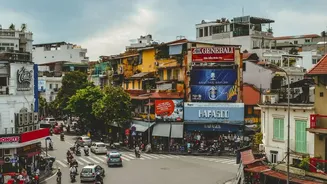
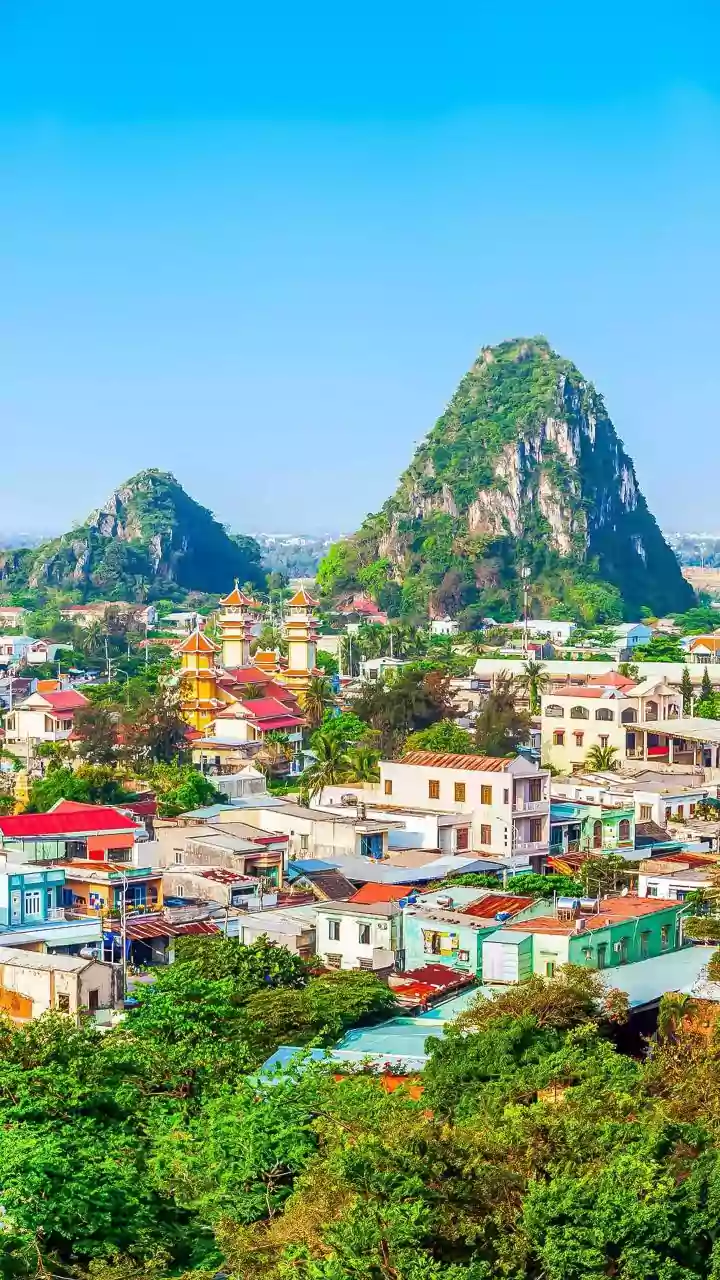
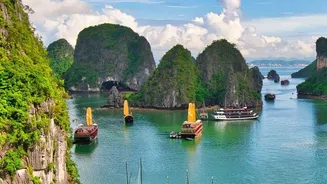
The best things in Vietnam are often free or very cheap. The real magic lies in wandering the scooter-filled streets of Hanoi's Old Quarter, exploring the lantern-lit ancient town of Hoi An, or trekking through the stunning rice terraces near Sapa. While some attractions have entry fees, they are usually minimal. For example, many temples and pagodas can be visited for free or for a very small donation. The country’s natural beauty is its biggest draw, from the dramatic limestone karsts of Ha Long Bay to the sandy beaches of Da Nang or Mui Ne. You can have a day packed with sightseeing and cultural immersion without spending much at all, which is the ultimate hallmark of a value-for-money destination.
Your Rupee Goes a Long Way
The favourable exchange rate between the Indian Rupee (INR) and the Vietnamese Dong (VND) is a significant factor in the country's affordability. With one Indian Rupee converting to several hundred Dong, the psychological effect is immediate: prices seem incredibly low. This strong purchasing power means your travel budget stretches much further. A budget of around ₹2,500 to ₹3,500 per day is often enough for a comfortable backpacking experience covering accommodation, food, transport, and some activities. Compared to other popular Southeast Asian destinations, Vietnam is often cited as being 10-20% more affordable than destinations like Thailand, offering a similar, if not richer, travel experience for less.