





Why One Dedicated Zone Is a Game-Changer
Living in a compact apartment means every square foot matters. During the monsoon, laundry can sprawl everywhere – on chairs, doors, and any available surface, creating clutter and preventing anything from drying properly. The core problem is that damp
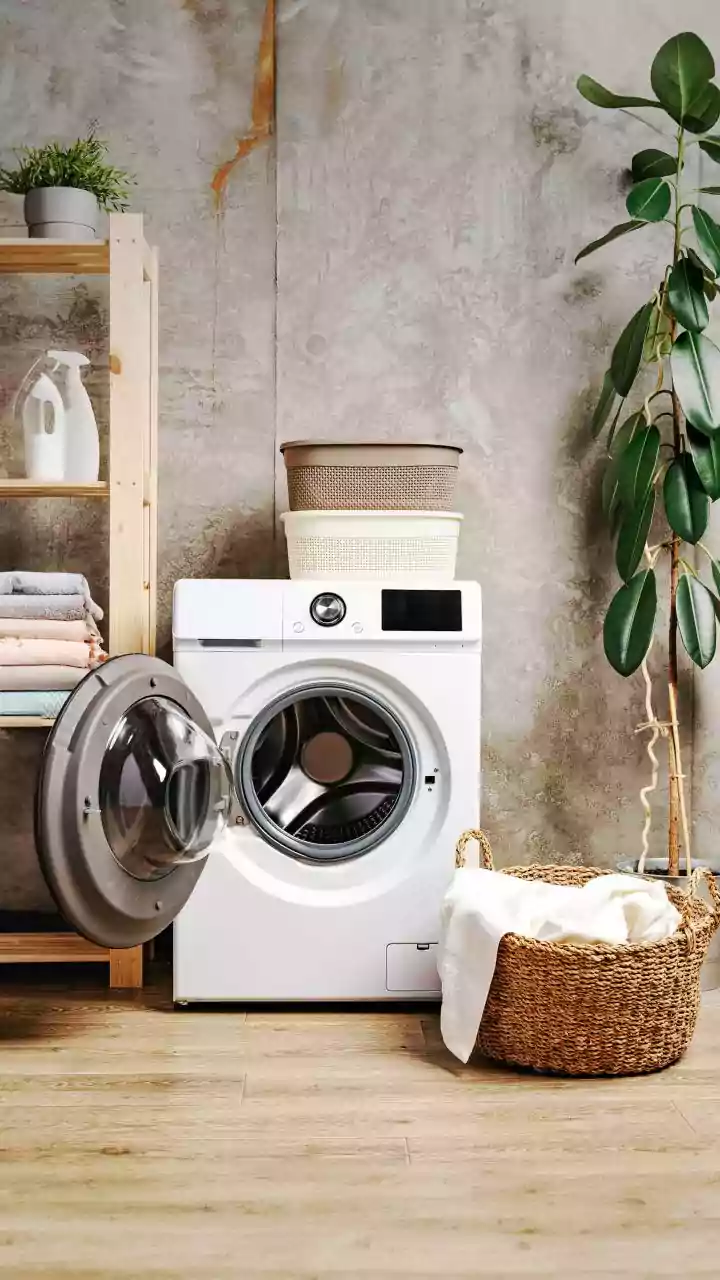
clothes, when left in poorly ventilated spaces for more than a few hours, become breeding grounds for bacteria and mould, which causes that signature musty odour. By creating a single, designated laundry zone, you consolidate the mess and, more importantly, concentrate your efforts. Instead of trying to manage airflow in multiple rooms, you focus on making one small area hyper-efficient at drying clothes, saving you time, space, and sanity.
Finding the Right Spot
Your laundry zone doesn’t need to be a separate room. It can be a corner of a covered balcony, a small utility area, or even a section of your bathroom. The ideal spot is one with some existing ventilation that can be enhanced. Look for a space near a window or an exhaust fan. In many Indian apartments, the utility balcony attached to the kitchen is a prime candidate. Avoid choosing a completely enclosed, windowless space unless you are prepared to install mechanical ventilation. The goal is to find a nook you can claim specifically for laundry tasks from sorting to drying.
The Ventilation Trinity: Airflow, Fans, and Dehumidifiers
Proper ventilation is non-negotiable. Your primary goal is to keep air moving and reduce humidity. Create a cross-ventilation setup by opening a window and placing a fan strategically. Aim the fan towards the clothes rack to keep air circulating around the garments. An even better solution is to invest in a dehumidifier. This appliance is a true monsoon game-changer, as it actively pulls moisture from the air, drastically cutting down drying time and preventing mould growth. For a small zone, a compact dehumidifier with a capacity of 10-12 litres per day is often sufficient to keep humidity levels in check.
Go Vertical with Smart Drying Racks
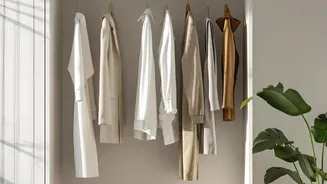
In a small home, the only way to go is up. Ditch the single-line ropes and invest in a multi-tier or tower-style drying rack. These vertical racks offer a large amount of drying space on a very small footprint, making them perfect for apartments. When hanging clothes, space them out. Garments that are packed too tightly trap moisture and won't dry. Using hangers for shirts and kurtas instead of folding them over a rod allows air to circulate around the entire garment, speeding up the process significantly. Foldable and wall-mounted racks are also excellent options as they can be tucked away when not in use.
Fighting Odours and Dampness Naturally
Even with good ventilation, ambient humidity can cause a lingering damp smell. Augment your setup with natural moisture absorbers. Place silica gel packets, activated charcoal bags, or even a simple bag of salt in the laundry zone and inside your wardrobes to absorb excess moisture. Camphor and dried neem leaves are traditional Indian solutions that also help repel pests and keep clothes fresh. For your wash cycle, adding half a cup of white vinegar to the final rinse can help kill odour-causing bacteria without damaging your clothes. Also, ensure your washing machine itself is clean by running an empty cycle with vinegar and baking soda periodically.
Your Perfected Monsoon Laundry Routine
A great zone needs a great routine. First, wash smaller loads more frequently rather than letting damp clothes pile up. Use your washing machine's highest spin cycle—or even a second spin—to remove as much water as possible before hanging. Hang clothes immediately after the wash cycle finishes; never let them sit in the machine. Once dry, iron them if possible. The heat from the iron removes any last traces of moisture and kills lingering bacteria. Finally, ensure clothes are 100% dry before storing them. Even slightly damp clothes folded away in a cupboard are a recipe for mildew.