







The Reality of Mumbai's Monsoon
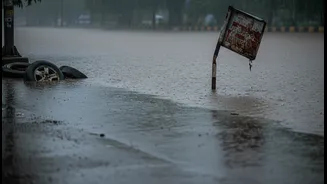
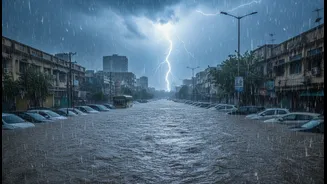
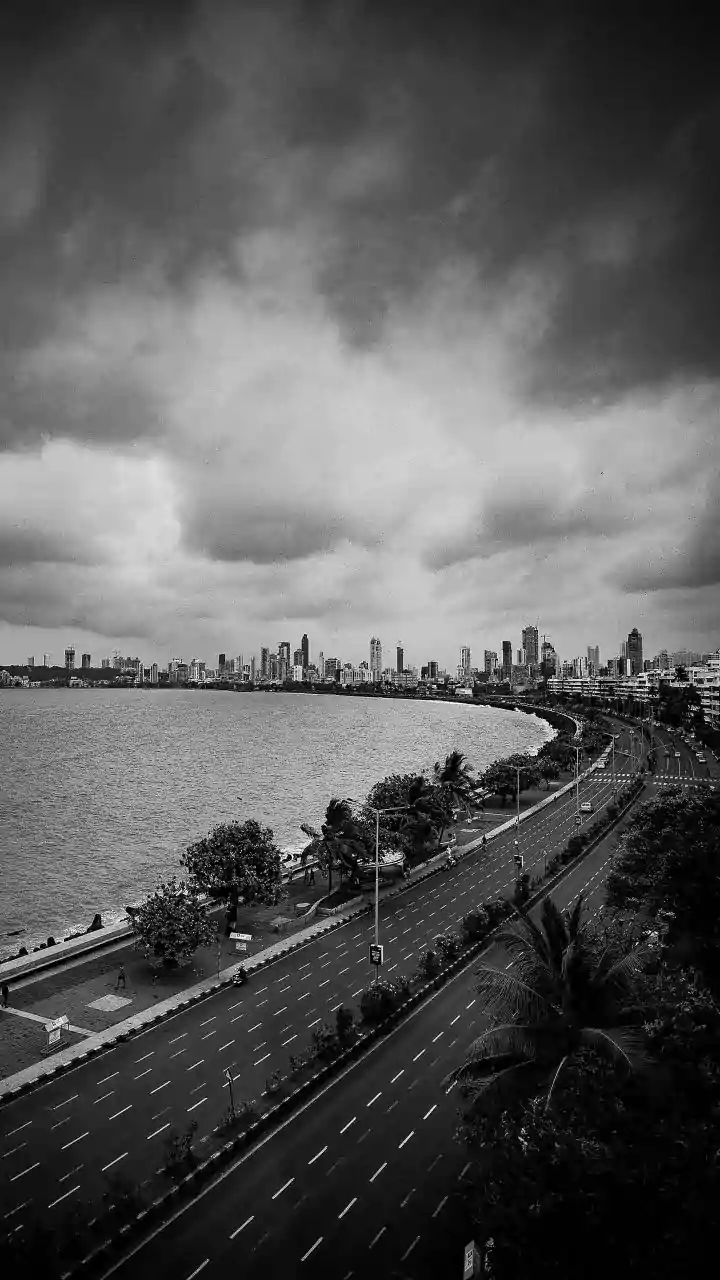
The first week of July 2026 saw an unprecedented deluge, with some parts of Mumbai receiving over 100% of their average rainfall for the entire month in just six days. This extreme weather, which experts link to changing climate patterns, overwhelms even
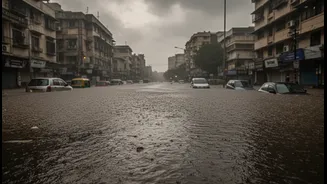
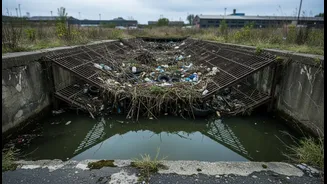
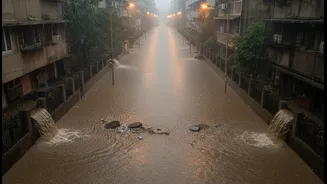
the best-laid plans. The city's aging drainage infrastructure, originally designed for much lower rainfall intensity, is often unable to cope, especially when heavy rains coincide with high tides. Despite pre-monsoon efforts like desilting drains and deploying hundreds of dewatering pumps, low-lying areas like Andheri, Bandra, and Sion remain vulnerable. The result is widespread disruption, impacting transport, housing, and daily life.
For the Commuter: Navigating the Deluge
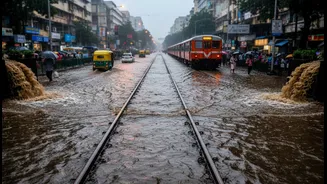
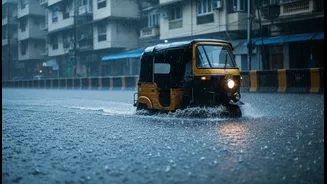
For Mumbai's commuters, waterlogging turns daily travel into a strategic challenge. Train services, the city's lifeline, are often the first to be hit. Water on tracks can cause delays, diversions, or suspensions, particularly on the Western, Central, and Harbour lines. Before leaving home, check official sources. The Yatri and m-Indicator apps provide real-time updates on local train status. The social media accounts of Western Railway, Central Railway, and the Brihanmumbai Municipal Corporation (BMC) also post frequent alerts. BEST bus routes are often diverted to avoid flooded streets, so expect delays and changes. Authorities advise against travel during red alerts, but if you must venture out, avoid known waterlogging hotspots. Keep emergency numbers, like the BMC disaster management helpline (1916), saved on your phone.
For the Renter: Choosing a Drier Home
Finding a home that stays dry during monsoon is a major concern for Mumbai's renters. While landlords are responsible for building repairs, tenants bear the cost of replacing damaged personal belongings. Research is key before signing a lease. Inquire about the area's flooding history. Some areas like Hindmata, Parel, and parts of Andheri and Malad are known to be flood-prone. A World Bank report noted that rents in high-risk flood zones can be 20-25% lower, an indicator of the recurring problem. Prospective tenants should inspect the property for signs of past water damage, check the elevation of the ground floor, and ask existing residents about their monsoon experiences. Before a flood, it's wise to move essential items to a higher level. Getting renter's insurance that covers flood damage can also provide financial protection.
For the Planner: Building a Resilient Future
The recurring crisis has spurred a search for long-term solutions beyond immediate fixes. Urban planners and experts argue that Mumbai must shift its approach from simply evacuating water to managing it where it falls. This involves embracing concepts like becoming a "sponge city." Key strategies include restoring and protecting natural sponges like mangroves, wetlands, and rivers, which absorb excess rainwater. There is a growing call to replace impermeable concrete surfaces with permeable pavements and to create more green spaces like rain gardens and parks that can hold water. The state government recently announced a significant flood-control plan aimed at upgrading the drainage system to clear water from hundreds of identified hotspots more quickly. Experts stress that future infrastructure must be designed based on climate projections, not historical data, to build a truly resilient Mumbai.