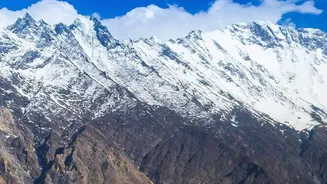


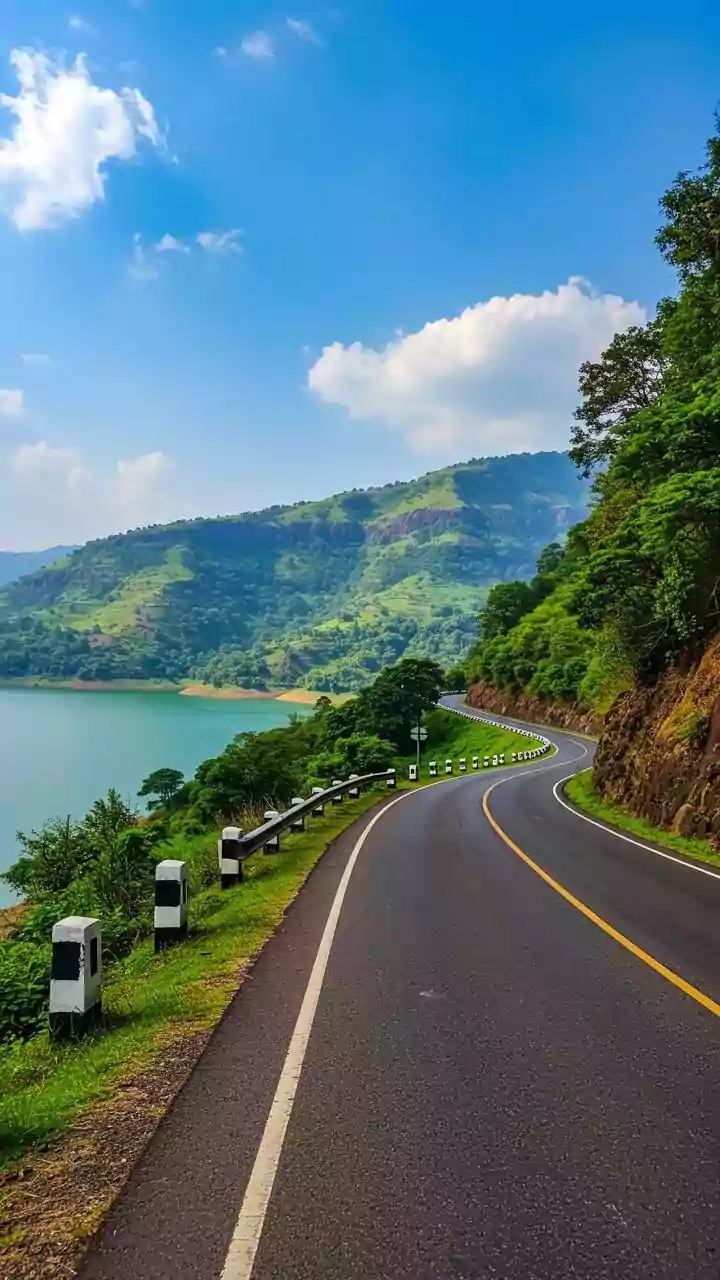
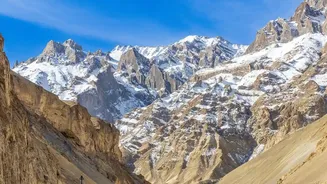
The Monsoon Challenge in the High Himalayas
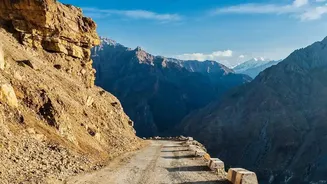
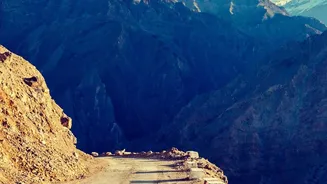
Spiti Valley, a cold desert, paradoxically remains relatively dry even during the monsoon because it lies in a rain-shadow area. However, the routes to get there—via Shimla and Kinnaur or Manali—are not so fortunate. These access roads are highly susceptible
to the fury of the monsoon. Heavy rainfall often triggers landslides, flash floods, and sudden road blockages, making the journey unpredictable and potentially hazardous. As of early August 2026, the India Meteorological Department (IMD) has issued multiple 'orange' and 'yellow' alerts for heavy to very heavy rainfall across many districts in Himachal Pradesh, including those on the approach to Spiti. This has led to over 160 roads being blocked across the state, severely impacting travel.
Understanding the Permit and Weather Alert Link
The headline's mention of permit approvals being dependent on weather is a critical advisory for travellers. While Indian nationals generally do not need a special permit to enter Spiti Valley itself, access is not guaranteed during severe weather events. Local administrations in Lahaul-Spiti and Kinnaur prioritize safety above all. When the IMD issues a high-level alert (like an orange or red alert), authorities often advise against all non-essential travel and may halt traffic on vulnerable stretches to prevent tourists from getting stranded. This is not a formal permit system in the traditional sense, but rather a dynamic, safety-driven travel restriction. Before starting your journey, it is mandatory to check the daily advisories from the District Disaster Management Authority and the social media feeds of the local police for the most current information.
Choosing Your Route: Shimla vs. Manali
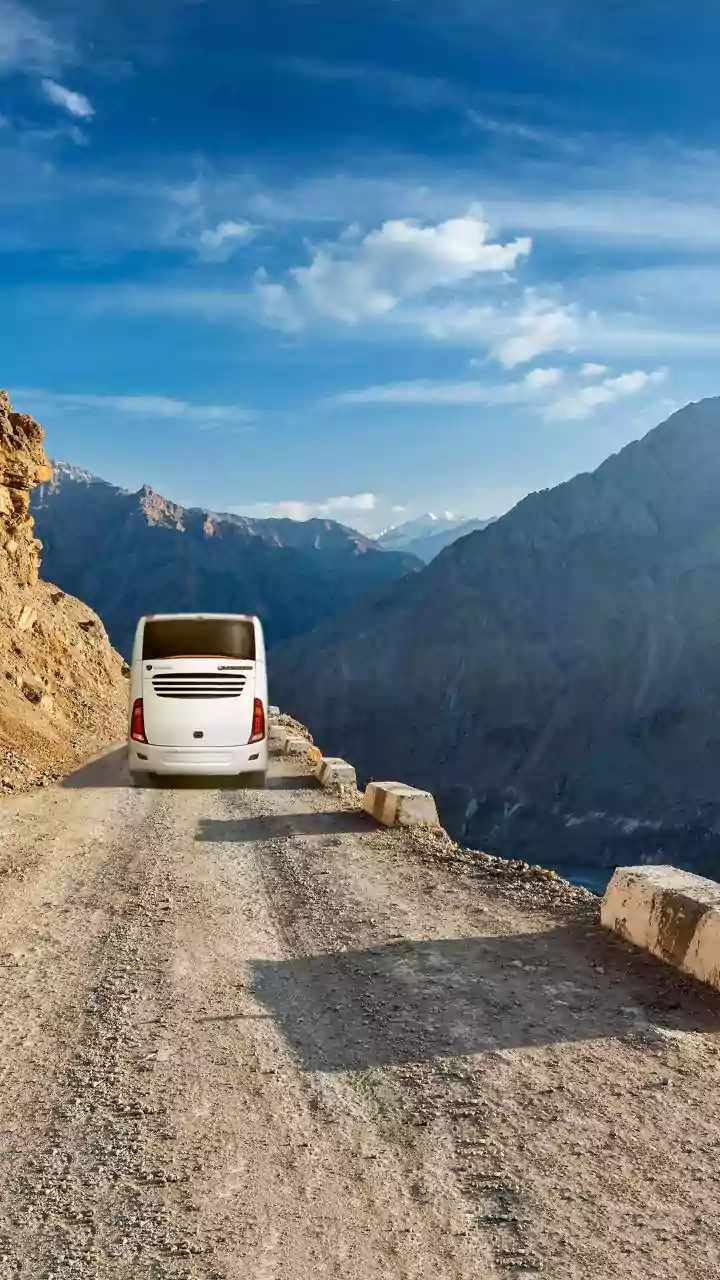
Traditionally, the route from Shimla via Kinnaur is considered the safer, more gradual option for acclimatization and is generally preferred during the monsoon. It tends to be more reliable, though stretches near Nako and Malling Nallah are prone to landslides. The Manali-Kaza route, which involves crossing the high-altitude Kunzum Pass, is a rougher and more challenging drive with numerous water crossings. While both routes are technically open as of mid-2026, their status can change within hours. Given the active monsoon, social media updates from travellers and official advisories warn of temporary closures and blockades on both routes. The safest bet is to enter via Shimla and keep a very flexible itinerary.
Your Monsoon Travel Safety Checklist
Flexibility is your most important asset. The monsoon punishes rigid plans. Always add at least two to three buffer days to your itinerary to account for potential road closures or delays. Before you go: Monitor Weather: Keep a close eye on the IMD's daily forecasts for Himachal Pradesh. Check Road Status: Follow the official social media pages of Himachal Pradesh Police and the District Disaster Management Authority for real-time updates on road closures. Vehicle Readiness: Ensure your vehicle is in excellent condition, with special attention to tyres, brakes, and wipers. If possible, opt for a 4x4 or a car with high ground clearance. Pack Smart: Carry waterproof layers, warm clothing, a first-aid kit with medication for altitude sickness, a powerful flashlight, and a power bank. Pack extra food and water in case you get stranded. * Stay Connected: Inform your family or friends about your detailed itinerary and try to check in with them daily. BSNL is the most reliable mobile network in the valley.
What to Do If Roads Close
If you encounter a road closure, the first rule is to be patient and not take unnecessary risks. Do not attempt to cross landslide-prone areas or swollen water crossings against official advice. Local authorities like the Border Roads Organisation (BRO) work tirelessly to clear roads, but it can take time. Use the delay to explore a nearby town or village that is safe. Many hotels and homestays are cooperative with rescheduling or cancellations during such events, but it is wise to confirm policies when you book. Always listen to the guidance of local police and administration officials. Their primary goal is to ensure your safety. Having a backup plan to explore safer, lower-altitude areas can turn a potential disruption into an unexpected adventure.