
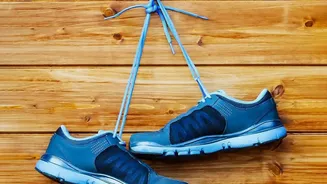
Immediate Action: What to Do First
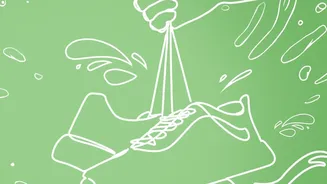
The golden rule of monsoon shoe care is to act fast. Letting wet, muddy shoes sit is a recipe for disaster, as it encourages mould growth and can cause permanent damage. As soon as you get home, wipe away any surface mud and water with a cloth. Next,
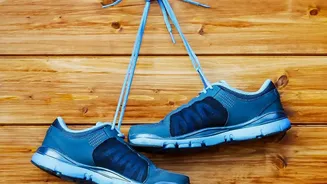
remove the insoles and laces; this allows air to circulate more freely and helps the shoe dry from the inside out. These parts can be cleaned and dried separately.
The Correct Way to Dry Your Shoes
Resist the temptation to use direct heat. Placing shoes near a heater, in direct sunlight, or using a hairdryer can cause materials like leather to crack and adhesives to melt, ruining the shoe's shape and integrity. The best method is slow and steady air-drying at room temperature. Stuff your shoes with crumpled newspaper, which is excellent for absorbing internal moisture. Make sure to replace the damp newspaper every few hours for best results. Placing the shoes near a fan can also speed up the process by improving airflow.
Caring for Leather Footwear
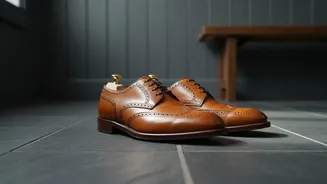
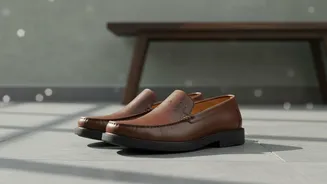
Leather is particularly vulnerable to water damage, which strips its natural oils and leaves it brittle. After wiping them down, stuff them with newspaper or, even better, insert cedar shoe trees. Shoe trees are a worthy investment for expensive pairs as they absorb moisture while perfectly maintaining the shoe's shape. Once the leather is completely dry, it's crucial to apply a good quality wax polish or leather conditioner. This replenishes the lost oils, restores shine, and creates a protective barrier against moisture.
Handling Canvas and Sneakers
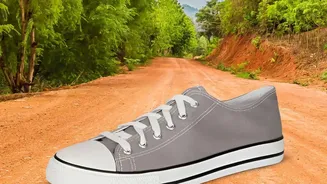
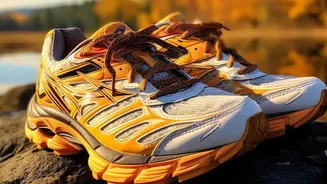
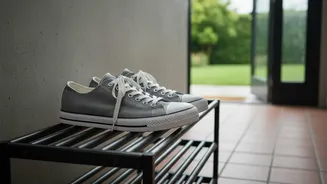
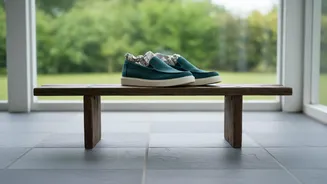
Canvas and other fabric shoes are highly absorbent and can quickly develop a foul odour if not dried properly. Follow the initial steps of removing insoles and stuffing them with newspaper. Since these materials can hold a lot of dirt, you may need to clean them more thoroughly. A gentle scrub with a solution of mild detergent and warm water can be effective. Ensure they are completely air-dried before wearing them again to prevent any mildew from forming.
Special Care for Suede
Suede is the most delicate material to handle when wet. Never rub wet suede, as it can push dirt deeper into the nap and create shiny, damaged patches. Instead, gently blot the excess water with a clean, dry cloth. Stuff the shoes with newspaper or tissue to absorb internal moisture and let them air dry completely, away from any heat source. Once dry, use a dedicated suede brush to restore the texture and remove any lingering dirt marks. An eraser can be used for stubborn spots.
Banishing Unpleasant Odours
Dampness creates a breeding ground for odour-causing bacteria. A simple and effective home remedy is baking soda. Sprinkle a generous amount inside your dry shoes and leave it overnight to absorb the smell and moisture. Simply shake out the excess powder in the morning. For persistent smells, placing dry tea bags inside your shoes can also work wonders, as the tannins help neutralize odours. You can also spray a solution of equal parts white vinegar and water inside the shoes and let it dry.
Smart Storage and Prevention
How you store your shoes during the monsoon is just as important as how you clean them. Never store damp footwear in a closed cabinet, as this traps humidity and promotes fungus. It is essential to rotate your footwear; avoid wearing the same pair on consecutive days to give them at least 24 hours to dry out completely. Placing silica gel packets in your shoe cabinet or inside your shoes can help absorb ambient moisture. For an extra layer of defence, consider using a water-repellent spray on your shoes before the season begins.