




Why The Monsoon Is Riskier
The magic of the monsoon also brings conditions perfect for germs to thrive. High humidity and moisture help bacteria like E. coli and Salmonella multiply rapidly on food that is improperly stored or left exposed. [5, 8] Water is another major factor.
Heavy rains can lead to overflowing drains and contaminated municipal water supplies, which many vendors use for cooking, cleaning, and making chutneys. [8, 11] Flies and other pests are also more active, transferring pathogens from wet, dirty surfaces to uncovered food. [2] The Food Safety and Standards Authority of India (FSSAI) often reports a spike in food safety violations during this period, with contaminated water and poor storage being the most common issues. [2]
Street Foods to Favour
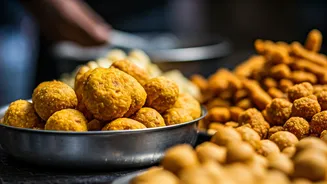
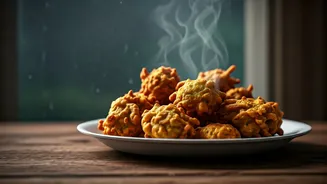
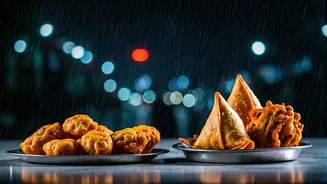
The golden rule for monsoon street food is simple: eat it hot and fresh. High temperatures kill most harmful germs, making freshly prepared dishes your safest bet. [12] Opt for items that are cooked right in front of you and served steaming hot. [7] Safer choices include: * **Deep-Fried Snacks:** Piping hot pakoras, samosas, and bhajiyas are relatively safe because they are deep-fried at high temperatures, which kills surface bacteria. [2, 4] Just ensure they are fried fresh and not reheated. [4] * **Steamed Foods:** Steamed dishes like idlis and momos are excellent choices. [4, 10] The steaming process makes them hygienic and easy to digest. Pair them with hot sambar and skip any raw chutneys unless you're confident about the vendor's hygiene. [10] * **Roasted Corn (Bhutta):** A monsoon classic, bhutta roasted on coals is a safe and delicious option. [2, 22] The direct heat kills germs. Choose this over boiled corn, where the water quality might be questionable. [2] * **Hot Beverages:** A steaming cup of masala chai or coffee is generally safe as the water is boiled. [4]
Foods to Avoid or Be Wary Of
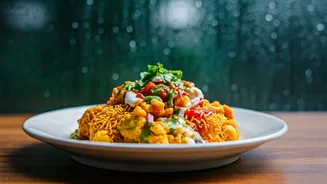
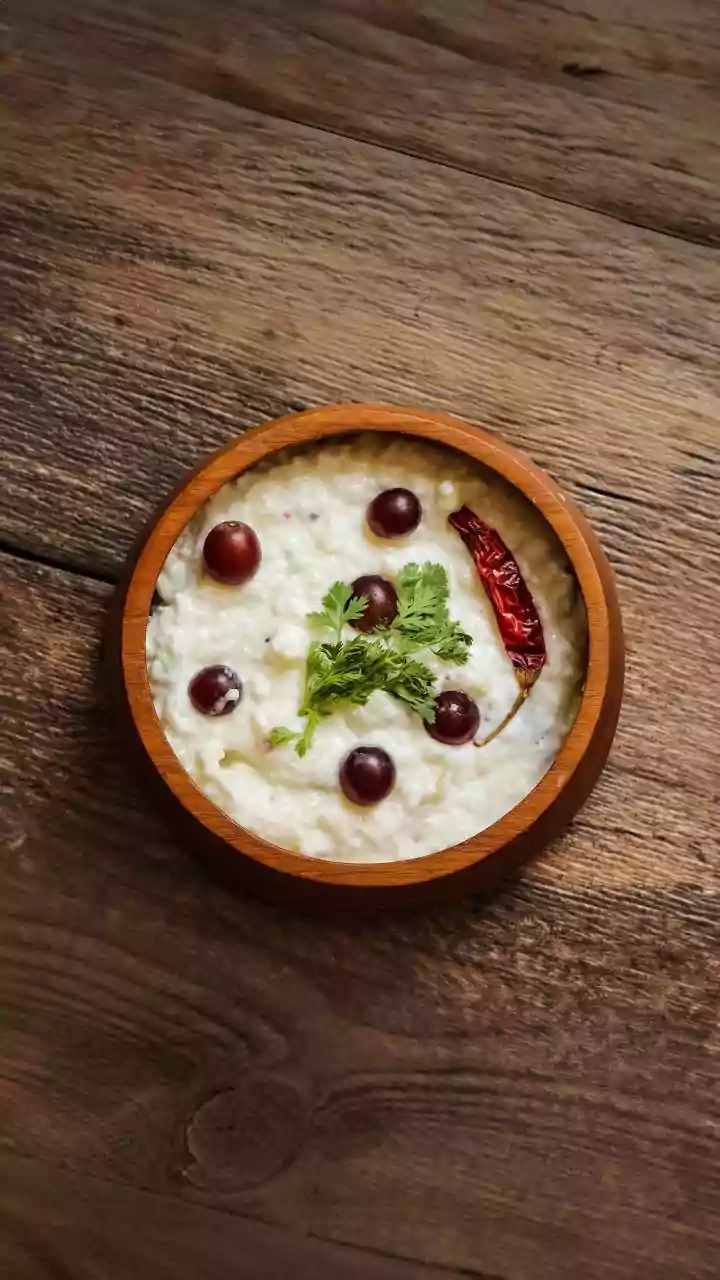
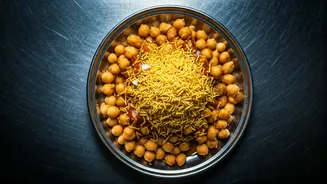
Some of the most popular street foods are also the riskiest during the rains. The primary culprits are uncooked items and those prepared with unverified water. High-risk foods include: * **Pani Puri and Chaat:** The 'pani' in pani puri and the raw chutneys used in various chaats are often made with untreated water, making them a leading cause of infections like typhoid and cholera. [2, 5, 7] * **Pre-cut Fruits and Salads:** These may look refreshing, but they are often washed in unsafe water and left exposed for long periods, attracting flies and bacteria. [5, 9] It's much safer to buy whole fruits and cut them yourself. [12] * **Juices and Golas:** Roadside juices and ice-based treats like golas are best avoided. The water and ice used are frequently from contaminated sources. [9, 16] * **Dairy-Based Items:** Curd (dahi), paneer, and milk-based sweets can spoil quickly in humid weather if not stored properly. [14, 16]
Vendor Hygiene: Your First Line of Defence
Before you even consider the food, take a good look at the vendor and their stall. A few visual cues can tell you a lot about their hygiene standards. Choose vendors who maintain a clean cart and surroundings, preferably away from open drains or garbage dumps. [13] Look for covered food containers, which protect ingredients from dust and flies. [7] A vendor who uses gloves or tongs to handle food and washes their hands frequently is a good sign. [13, 16] A busy stall with a high turnover is also a positive indicator, as it suggests the food is being cooked fresh and doesn't sit around for long. [12]
Your Personal Gut-Safe Checklist
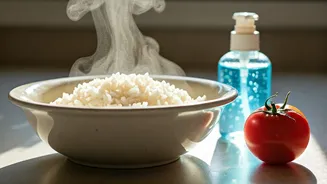
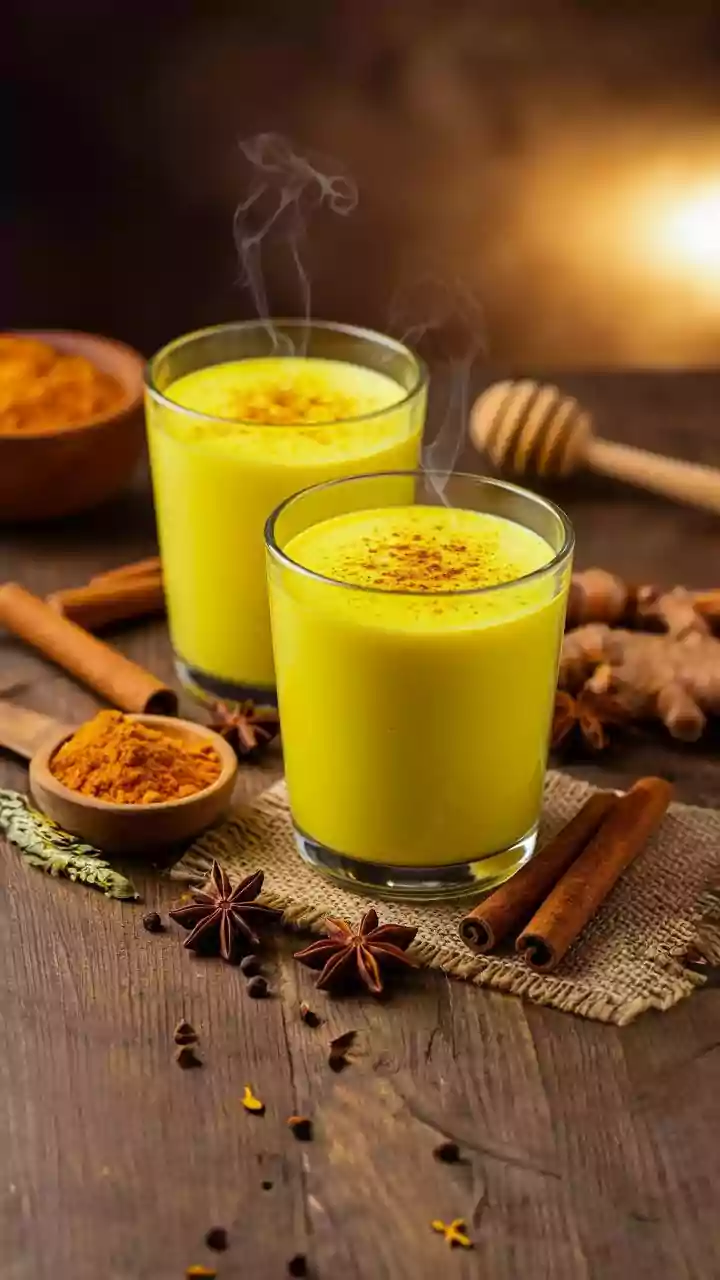
Beyond choosing the right food and vendor, a few personal habits can significantly reduce your risk of getting sick. Always wash your hands with soap and water before eating. [20] If that’s not possible, use an alcohol-based hand sanitizer. [12] Carrying your own bottled water is a wise move to avoid drinking from questionable sources. [14] While eating, pay attention to your own gut. Boost your immunity with a healthy diet rich in citrus fruits, ginger, and turmeric. [20] Including probiotics like yogurt in your daily diet at home can also help maintain good gut health, making you more resilient to infections. [15, 20]