




The Probiotic Price Point
Kombucha has become a staple in refrigerators across India, loved for its unique taste and gut-friendly probiotics. However, this popularity comes at a price. A single bottle of store-bought kombucha can cost anywhere from ₹250 to ₹400. If you enjoy this fermented
tea daily or even a few times a week, the expense quickly accumulates, turning a healthy habit into a significant line item on your grocery budget. The high cost is due to the labour-intensive fermentation process, bottling, and brand marketing. By taking the production in-house, you can enjoy all the benefits without the hefty price tag.
The Cost-Saving Case for Homebrewing
Brewing kombucha at home offers dramatic savings. While there's an initial investment in equipment—primarily a large glass jar and some airtight bottles—the recurring costs are minimal. Once you have your setup, the price per serving plummets. Reports show that the cost of homemade kombucha can be as low as ₹10 to ₹15 per serving. Compared to the premium price of commercial brands, the savings are undeniable. A regular drinker could save thousands of rupees annually, making the initial effort to learn the process well worth it. Plus, you gain complete control over the sugar content and ingredients, ensuring a healthier final product.
Meet the SCOBY: Your Starter for Success
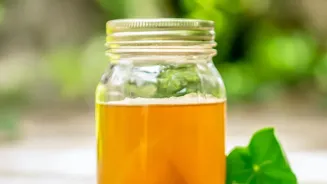
The magic of kombucha comes from a SCOBY, an acronym for Symbiotic Culture of Bacteria and Yeast. It's a rubbery, pancake-like disc that floats in your brew, housing the microorganisms that transform sweet tea into tangy, fizzy kombucha. Think of it as the 'mother' culture, similar to a sourdough starter. The SCOBY consumes the sugar in the tea, producing organic acids, a trace amount of alcohol, and carbon dioxide, which gives the drink its characteristic fizz. With each batch you brew, the SCOBY grows a new layer, or a 'baby,' which you can use for future batches or share with friends to start their own brewing journey.
What You Will Need to Get Started
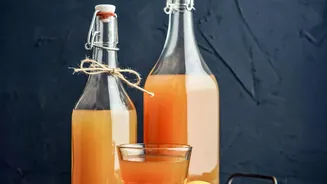
The list of supplies for your first batch is surprisingly short and simple. You'll need a large glass jar (at least 3-4 litres), a piece of tightly woven cloth or a coffee filter to cover it, and a rubber band. For the ingredients, you will need a SCOBY with some starter tea (unflavored kombucha from a previous batch), sugar, water, and tea. You can often get a SCOBY from a friend who brews, or purchase a starter kit online. For the second, optional fermentation phase where you add flavour and fizz, you'll want some airtight, pressure-safe bottles, often with a flip-top lid.
Choosing the Right Tea for Your Brew
The foundation of any good kombucha is tea from the Camellia sinensis plant, which provides the essential nutrients for a healthy SCOBY. Black tea is the most common and robust choice, providing all the necessary components for the microorganisms to thrive and often resulting in a classic, slightly apple-cider-like flavour. Green tea is another excellent option, producing a lighter, more delicate kombucha. Many brewers use a blend of black and green tea. It is best to avoid teas with added oils or strong flavours, like Earl Grey or many herbal infusions, as the oils can interfere with the SCOBY's health and the fermentation process.
The Two-Step Fermentation Dance
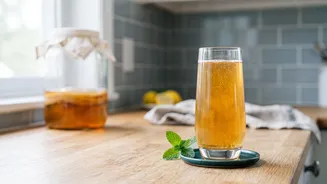
Making kombucha typically involves two fermentation stages. The first fermentation (F1) is where you turn sweet tea into kombucha. You simply combine your brewed, sweetened, and cooled tea in the large jar with your SCOBY and starter liquid, cover it, and let it sit at room temperature for about one to two weeks. The second fermentation (F2) is where the real creativity begins. You remove the SCOBY, pour the kombucha into airtight bottles with a little extra sugar (usually from fruit juice, purées, or fresh herbs like ginger), and let it sit for another few days. This step is what builds up the carbonation and infuses your drink with flavour.