




Day 1: Arrival in Aurangabad and Local Wonders
Fly or take a train into Aurangabad (also known as Chhatrapati Sambhajinagar), your base for the next few days. This city is a gateway to UNESCO World Heritage sites and has its own historical gems. After checking into a budget-friendly hotel or a hostel
like Zostel, start your exploration. Head to Bibi Ka Maqbara, a stunning 17th-century mausoleum that bears a striking resemblance to the Taj Mahal. Later, visit Panchakki, a fascinating water mill complex from the medieval period that showcases the ingenuity of the time. For dinner, explore the old city for authentic and affordable local cuisine like Naan Qalia. Getting around is easy with local auto-rickshaws.
Day 2: The Magnificent Ajanta Caves
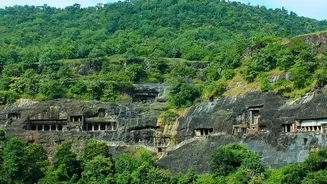
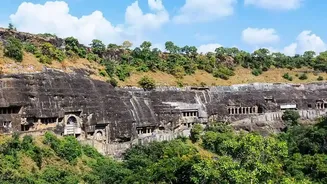
Dedicate the entire day to the Ajanta Caves, located about 100 km from Aurangabad. These rock-cut Buddhist cave monuments date from the 2nd century BCE to about 480 CE and are famous for their exquisite murals and sculptures. The most budget-friendly way to get there is by taking a state transport (MSRTC) bus from the central bus stand. These buses run regularly and are a reliable option. Pack some water and snacks, as options at the site can be limited and more expensive. The journey itself takes about 2.5 hours each way, so an early start is recommended to make the most of your day exploring these ancient artistic masterpieces.
Day 3: Ellora Caves and Daulatabad Fort
Today’s journey takes you to the Ellora Caves, a much shorter trip at only 30 km from Aurangabad. Ellora is a breathtaking complex of over 100 caves, featuring Hindu, Buddhist, and Jain monuments, with the Kailasa Temple (Cave 16) being the undisputed highlight. It is the world's largest single monolithic excavation. Again, local buses are the cheapest transport option. On your way back to Aurangabad, make a stop at the formidable Daulatabad Fort. This medieval fortress is known for its incredible defensive systems and panoramic views from the top. It's a steep climb but well worth the effort for any history enthusiast. Combining these two sites makes for a packed but rewarding day.
Day 4: Travel to Pune and Peshwa History
Take a morning bus or train from Aurangabad to Pune. The bus journey takes approximately 5-6 hours and is a cost-effective way to travel between the two cities. After arriving in Pune and checking into your accommodation, dive into the city’s Maratha history. Your first stop should be Shaniwar Wada, the grand fortified seat of the Peshwa rulers of the Maratha Empire. Though partly destroyed by a fire, its massive gates and foundations still evoke a sense of its former glory. In the evening, you can explore the bustling markets nearby for some local street food, offering a taste of Pune's vibrant culture.
Day 5: Pune’s Palaces and Departure
On your final day, explore more of Pune's historical landscape. Visit the Aga Khan Palace, a place of great importance in India's freedom movement, where Mahatma Gandhi was imprisoned. Its serene Italianate architecture and manicured lawns offer a peaceful environment for reflection. Depending on your travel schedule, you could also visit the Pataleshwar Cave Temple, an 8th-century rock-cut temple dedicated to Lord Shiva, located in the heart of the city. Afterwards, you can head to Pune's airport or railway station for your journey home, carrying with you memories of Maharashtra's glorious past.