

What the New Report Emphasises
The 2026 State of Food Security and Nutrition in the World (SOFI) report, a joint effort by several UN agencies, has moved beyond just tracking hunger and now places a strong emphasis on diet quality. The key finding is a global consensus on making dietary
diversity a practical priority. For years, nutritional advice often revolved around calories, fats, or carbohydrates. This report simplifies the goal: ensuring that your daily meals include a variety of foods from different groups. The report notes that while progress has been made against hunger, billions of people still cannot afford a truly healthy diet, which is inherently diverse. Dietary monotony, often driven by a reliance on starchy staples, is a leading cause of micronutrient deficiencies and persistent malnutrition.
Why Food Variety Is So Crucial
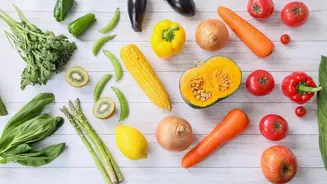
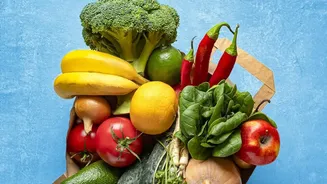
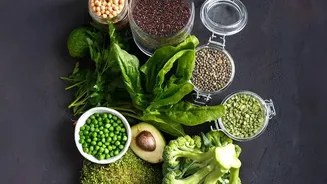
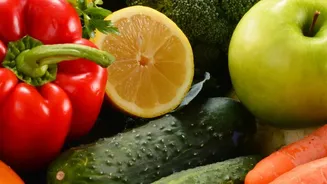
Eating a wide range of foods is about more than just avoiding boredom; it's fundamental to good health. Different foods provide different essential nutrients. For instance, leafy greens are rich in Vitamin K, while fruits provide Vitamin C, and nuts offer vital Omega-3 fatty acids. A varied diet ensures you get the full spectrum of vitamins, minerals, and antioxidants needed for everything from immune defence to brain function. Furthermore, consuming a variety of plant-based foods like fruits, vegetables, and whole grains promotes a healthy gut microbiome, which is essential for digestion and overall immunity. Studies show that higher dietary diversity is linked to a reduced risk of chronic diseases and better long-term health outcomes.
The Core Food Groups to Balance
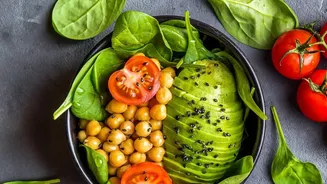
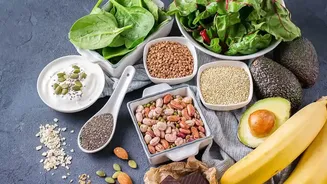
To put the report's advice into practice, focus on incorporating foods from the five main groups into your daily routine. These are: Fruits and Vegetables, Grains (preferably whole), Protein foods (like dals, beans, lean meat, and eggs), and Dairy or its alternatives. The high cost of nutrient-dense foods like fruits, vegetables, and animal products remains a major barrier to healthy eating for many. However, even small adjustments can make a difference. The goal isn't perfection at every meal but a balanced intake across the week. An Indian thali is a traditional example of this principle, naturally combining grains, lentils, vegetables, and dairy in one meal.
Making Variety Practical in an Indian Kitchen
Increasing dietary diversity doesn't require a complete overhaul of your eating habits. For Indian households, it's often about small, smart swaps and additions. Start by ensuring your plate has more than just rice or roti. A simple rule is to include at least one pulse (like dal, chana, or rajma) and a generous portion of vegetables in your main meals. Instead of relying on just one or two types of dal, try rotating through different varieties like moong, masoor, and toor. Choose whole grains like atta with bran over maida, and incorporate millets such as jowar and bajra. Snacking on seasonal fruits, nuts, and seeds is another easy way to add more nutrients. Traditional combinations, like adding lemon to spinach dishes, can also enhance nutrient absorption.