






A Shift from Aesthetics to Abilities
For decades, the dominant fitness narrative for women was tied to a number on a scale or a clothing tag. Workouts were often a means to an aesthetic end: getting smaller. But a growing movement is redefining fitness goals. Today, an increasing number of women are
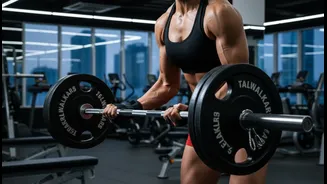
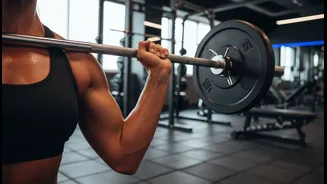
less concerned with burning calories and more interested in what their bodies can achieve. This has sparked a move away from endless sessions on the treadmill towards the squat rack and free weights. The new goal isn't about shrinking; it's about building. The conversation has shifted from 'How do I look?' to 'How strong do I feel?'. This change is rooted in a desire for empowerment and capability in everyday life, moving beyond purely cosmetic ambitions.
Understanding Functional Strength
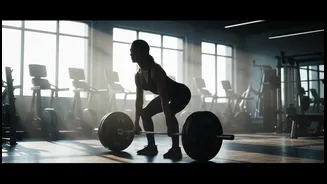
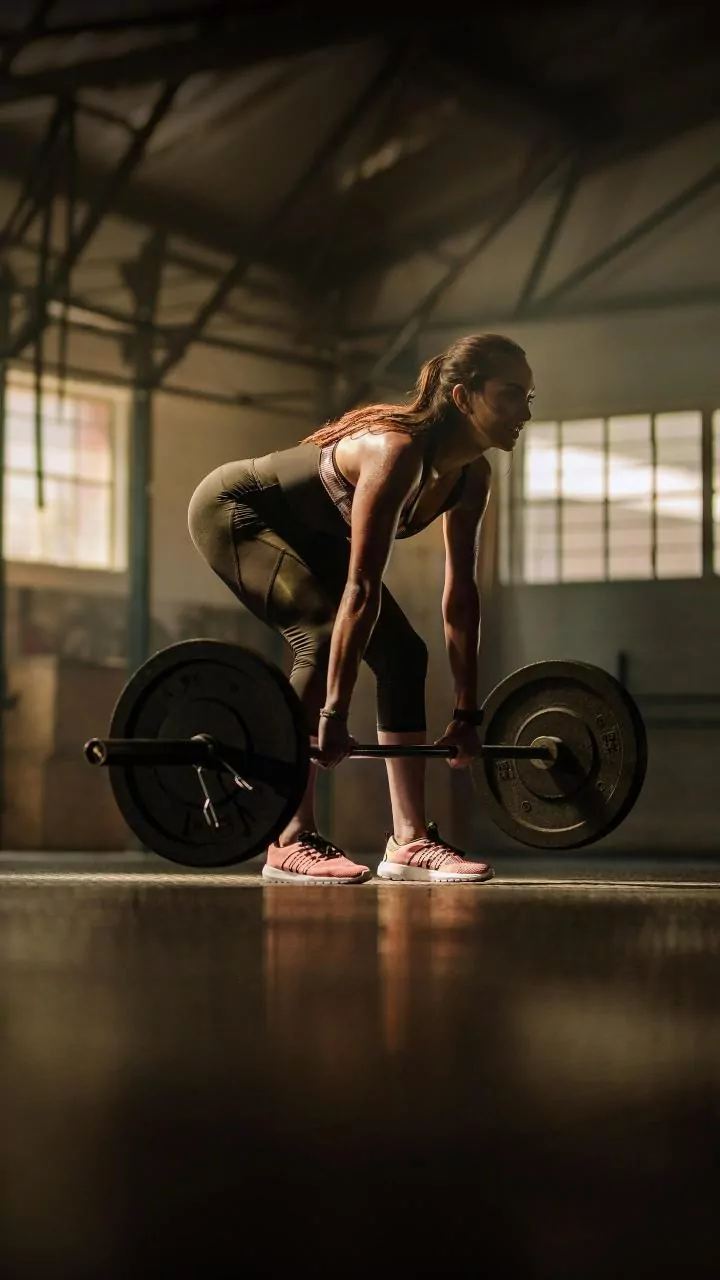
At the heart of this trend is the concept of 'functional fitness'. This isn't about building bulging biceps for a competition. Instead, functional strength training focuses on exercises that mimic and make daily activities easier and safer. Think of movements like squats (sitting and standing), deadlifts (lifting a heavy box or your child), lunges, and carries. The objective is to enhance real-world capability, improve balance, strengthen your core, and increase mobility. This approach builds a foundation of sustainable, practical strength that improves quality of life, whether you're carrying groceries, moving furniture, or simply getting out of a chair without a second thought.
The Mental and Emotional Gains
The benefits of this shift extend far beyond physical power. Strength training has a profound impact on mental and emotional well-being. Studies have shown that resistance training can significantly reduce symptoms of anxiety and depression. The act of lifting something heavy and progressively getting stronger provides a tangible sense of accomplishment that builds confidence and self-esteem. Many women report that focusing on performance goals—like hitting a new personal best on a lift—helps foster a healthier body image and a more positive relationship with exercise. It becomes less of a punishment for what you ate and more of a celebration of your body's increasing capabilities.
More Than Just Muscle
While cardio has its place for heart health, strength training offers a unique set of long-term health advantages that are particularly crucial for women. Lifting weights is one of the best ways to build bone density, which is vital for preventing osteoporosis later in life. It also builds lean muscle, which is metabolically active tissue. This means the more muscle you have, the more calories your body burns at rest, which can be more effective for long-term fat loss than cardio alone. Furthermore, stronger muscles provide better support for joints, improving stability and reducing the risk of injury in all of life's activities.
The Power of Community and Visibility
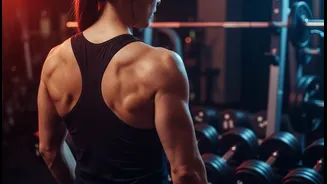
The rise of weightlifting among women has been amplified by social media. Fitness influencers and everyday users alike are sharing their strength journeys, making lifting feel more accessible and less intimidating. This digital community has helped debunk old myths, such as the fear that lifting heavy weights will automatically make women look 'bulky'—a common misconception, as most women do not have the testosterone levels for that to happen easily. Seeing a diverse range of body types celebrating their strength has been a powerful motivator, creating a supportive environment that encourages more women to pick up a barbell and discover their own power. In India, this is part of a broader wellness trend focusing on longevity and sustainable, holistic health practices.