





The Monsoon’s Lingering Legacy
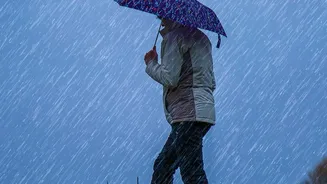
The performance of the Southwest monsoon, which typically lasts from June to September, is a crucial factor for India’s economy and environment. But for travellers, its effects are most keenly felt in the months that follow. A bountiful monsoon replenishes
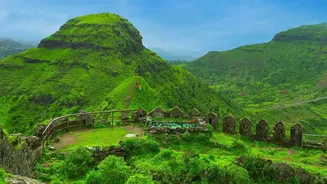
rivers, fills lakes, and transforms landscapes into lush, emerald spectacles, making post-monsoon and winter months a visually stunning time to travel. Waterfalls are at their peak, and forests are vibrant. However, an excessively heavy or erratic monsoon can have a downside. It often leads to damaged roads, landslides in hilly regions, and potential flooding, which can disrupt travel plans and make certain areas inaccessible. Conversely, a weak monsoon can mean diminished natural beauty, with less impressive waterfalls and drier landscapes. Therefore, understanding this year’s rainfall pattern is the first step in smart December travel planning.
For Mountain Lovers: The Himalayan Question
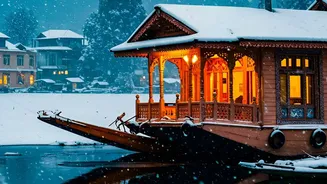
Destinations in the Himalayas, like Himachal Pradesh and Uttarakhand, are a mixed bag post-monsoon. The rains leave the mountains exceptionally green and wash the air clean, offering crisp, clear views of snow-dusted peaks. But this is also the region most vulnerable to the monsoon's fury. Intense rainfall can weaken slopes and damage road networks, with repairs sometimes extending into the primary tourist season. As of mid-September, tourism in popular spots like Manali is already picking up as the monsoon season ends, with hopes for a busy post-monsoon period. For December, the primary advice is to remain flexible. While the high-altitude passes will be closed due to snow, lower-altitude destinations should be accessible. It is crucial to check road conditions and local advisories before booking and right before you travel, as the situation can change quickly.
For Coastal Bliss: Southern Greens and Sandy Shores
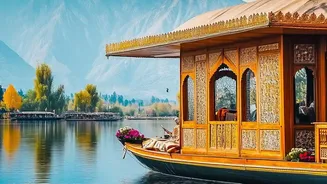
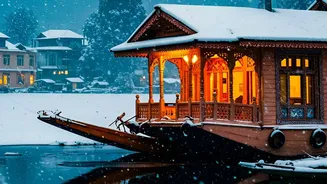
In the south, states like Kerala transform into what many call 'God's Own Country' after the rains. The backwaters are full, the spice plantations are fragrant, and the entire landscape is intensely green. Winter is considered the best time to visit Kerala, as the weather is pleasant, and the humidity is lower. Houseboat cruises in the backwaters are particularly serene after the monsoon. However, the peak tourist season in December and January also means more crowds and higher prices. For those seeking beach destinations like Goa, the post-monsoon period marks the beginning of the prime season. The weather is ideal for lounging on the beach, and most shacks and resorts are fully operational. A balanced monsoon generally ensures a perfect setup for a coastal holiday.
For Heritage Trails: A Greener Desert
It might seem counterintuitive, but a good monsoon can make Rajasthan one of the most magical places to visit in December. The Aravalli hills surrounding cities like Udaipur and Bundi turn surprisingly green, and lakes like Pichola are filled to the brim, creating a romantic, misty atmosphere. This offers a completely different perspective on a state typically known for its arid landscapes. Visiting in the post-monsoon shoulder season also means fewer crowds compared to the absolute peak in late December. With pleasant weather, you can explore forts and palaces without the scorching heat of summer. Destinations like Mount Abu, the state's only hill station, become lush retreats. Wildlife sanctuaries such as Ranthambore may also offer rewarding safari experiences in the buffer zones.
For Wildlife Enthusiasts: Thriving National Parks
For those planning a trip to one of India’s many national parks, the monsoon’s impact is overwhelmingly positive. The rains rejuvenate the forests, fill waterholes, and lead to thriving flora and fauna. In the months following the monsoon, particularly from October onwards, many parks that were partially or fully closed reopen. Animals are often more active and easier to spot near the replenished water sources. Parks like Periyar in Kerala, Tadoba in Maharashtra, and Bandipur in Karnataka are especially beautiful after the rains. In places like Kaziranga in Assam, the floodwaters recede to reveal lush grasslands, ideal for spotting the one-horned rhinoceros. A healthy monsoon directly translates to a more vibrant and rewarding wildlife safari experience in December.