


More Than Just 'Doggy Breath'
For many pet parents, a whiff of unpleasant breath is the first—and often only—clue that something is amiss in their furry friend's mouth. While persistent bad breath (halitosis) is indeed a key indicator of dental issues like plaque buildup or gum disease,
it is far from the whole story. Pets, particularly dogs and cats, are masters at hiding pain and discomfort. This means that by the time bad breath becomes obvious, underlying problems could already be advanced. Relying on breath alone is like only listening for a smoke alarm when you should also be looking for smoke. More serious conditions, including infections, abscesses, and even oral tumors, may not always produce a strong odour in their early stages, but they often leave other visual clues. That is why learning to spot changes in colour and texture inside your pet’s mouth is a vital part of responsible pet care.
Decoding Swelling and Lumps
Any new lump or swelling inside your pet's mouth is never normal and warrants immediate attention. These growths can appear on the gums, tongue, lips, or the roof of the mouth. While some may be benign cysts, others could be signs of a serious infection or a malignant tumor. For example, a swelling that appears under an eye can sometimes be traced back to a tooth root abscess in the upper jaw. These abscesses occur when bacteria infect the root of a tooth, often due to a fracture or advanced periodontal disease, creating a painful pocket of pus. Oral tumors can also present as lumps or swollen areas. They can be aggressive, and early detection is critical for successful treatment. Watch for facial swelling, excessive drooling, or a reluctance to eat, as these often accompany oral masses. Because it's impossible to know the cause of a swelling just by looking, a veterinary examination is essential.
What Discoloration Reveals
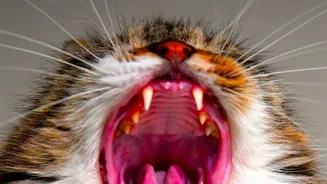
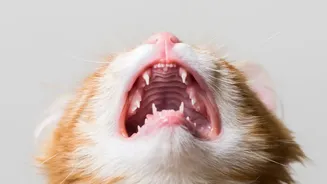
The colour of your pet's gums can tell you a great deal about their health. Healthy gums are typically a firm, bubblegum pink, though some pets have natural black pigmentation, which is normal. The key is to know what is normal for your pet and watch for changes. Gums that are bright red, inflamed, or bleeding are often the first sign of gingivitis, the initial stage of periodontal disease. If left untreated, this can progress to severe infection and tooth loss. Paler-than-usual or white gums can indicate anemia or blood loss, while a yellowish tint may signal liver problems. A bluish or purple hue suggests a lack of oxygen, which is a critical emergency. In some cats, especially those with orange or calico coats, small, flat black spots can appear on the gums and lips. This is a benign condition called lentigo, similar to freckles, but any raised or changing spots should be checked by a vet to rule out melanoma.
Other Subtle Warning Signs
Beyond swelling and discoloration, other behavioural changes can point to oral pain. Pay close attention to how your pet eats. Are they suddenly dropping food, chewing only on one side of their mouth, or avoiding hard kibble and treats they once loved? These can all be signs of a painful tooth or gums. You might also notice excessive drooling, sometimes tinged with blood, or your pet pawing at their face or rubbing it against furniture. A decreased interest in chew toys or a sudden change in temperament, such as irritability when their head is touched, can also be linked to oral discomfort. Since dental disease can cause bacteria to enter the bloodstream and affect organs like the heart, liver, and kidneys, noticing these subtle clues early is crucial for your pet’s overall health.
Your Action Plan: A Proactive Approach
Making oral checks a regular part of your routine is the best way to stay ahead of potential problems. Once a week, gently lift your pet’s lips to inspect their teeth and gums. Look for the signs discussed: lumps, swelling, red or pale gums, and heavy tartar buildup. If you notice anything concerning, such as a growth, significant bleeding, or a sudden change in gum colour, schedule a veterinary appointment promptly. Professional dental check-ups are also key. Your veterinarian can identify issues that are hidden below the gumline through examinations and dental X-rays. They can perform professional cleanings to remove plaque and tartar and address any problems before they become severe. Never try to treat a serious issue like a loose tooth or a significant swelling yourself, as this can cause more harm and pain.