








Understanding the Post-Meal Slump
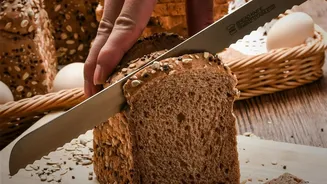
That sleepy, sluggish feeling after a meal has a scientific name: postprandial somnolence. It often happens after a carbohydrate-heavy lunch, like a big plate of rice or several rotis. When you eat carbohydrates, especially refined ones, your body quickly
converts them into glucose (sugar) for energy. This can cause a rapid spike in your blood sugar. In response, your body releases a surge of insulin to manage the sugar, which often leads to a subsequent crash, leaving you feeling tired and lethargic. This energy roller coaster is what many of us mistake for a simple afternoon dip, but it's directly linked to how our bodies process food.
Fibre as Your First Line of Defence
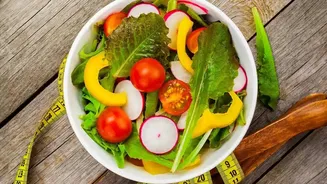
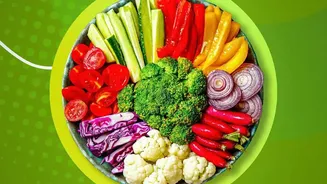
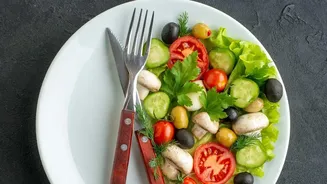
This is where the magic of meal sequencing comes in. The concept is simple: eat your fibre-rich foods first. Think of vegetables, salads, or even a bowl of dal before you touch the rice or roti. When you start your meal with fibre, it forms a protective mesh in your digestive system. This viscous layer slows down the subsequent absorption of carbohydrates. Instead of a rapid flood of glucose into your bloodstream, you get a much slower, more gradual release. This prevents the dramatic blood sugar spike and the inevitable energy-sapping crash that follows, helping you maintain stable energy levels throughout the afternoon.
The Science Supports the Sequence
This isn't just a wellness trend; it's backed by science. Multiple studies have shown that the order in which you eat your food has a significant impact on post-meal glucose and insulin levels. Research has demonstrated that consuming vegetables and protein before carbohydrates leads to significantly lower blood sugar levels compared to eating the same foods with carbohydrates first. Some studies found the reduction in post-meal glucose was so significant it was comparable to the effects of certain diabetes medications. This strategy works by not only slowing digestion but also by promoting the release of hormones like GLP-1, which helps regulate appetite and improve your body's glucose response.
A Practical Guide for Indian Meals
Integrating this into a typical Indian diet is easier than you might think. You don't need to adopt a completely new way of eating, just reorder it. Here are some simple ways to put this into practice: Start with a Salad: Begin your lunch or dinner with a simple kachumber salad (cucumber, tomato, onion) or a plate of sliced raw vegetables. The dressing can be a simple squeeze of lemon and a pinch of salt. Prioritise Your Sabzi: On your thali, make a conscious effort to finish your vegetable dish (sabzi) or at least a significant portion of it before you start on your roti or rice. Have Soup or Dal First: A small bowl of lentil soup (dal) or a mixed vegetable soup is an excellent, fibre-rich starter that prepares your digestive system for the rest of the meal. Healthy Appetisers: If you're having a snack before a meal, choose fibre-rich options like a handful of nuts instead of something starchy.
Beyond Fibre: The Role of Protein and Fat
While fibre is the star player, protein and healthy fats also play a crucial supporting role. Following your fibre-rich starter with the protein component of your meal—like chicken, fish, paneer, or tofu—further helps to stabilise blood sugar and increase feelings of fullness. This combination of fibre and protein helps ensure you feel satisfied sooner, which can also help with portion control and prevent over-eating, another cause of lethargy. The goal is to save the high-glycemic carbohydrates for the final part of your meal, once your body has already built a buffer to manage the glucose release.