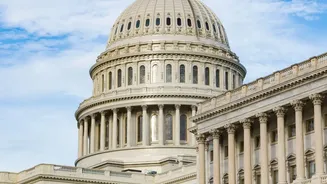



The 2026 midterm elections have shifted the balance of power in Washington, raising a crucial question: How much control does President Trump now have over America's foreign policy? Here’s a breakdown of what changes and what stays the same.
The Commander-in-Chief's Strong Hand
First and
foremost, the president's role as Commander-in-Chief of the military grants him substantial authority that midterms can't easily diminish. The Constitution's Article II gives the president the power to direct the armed forces, deploy troops, and respond to immediate threats. While only Congress can formally declare war, presidents have long initiated military operations without explicit authorization, citing their constitutional powers. Following the 2026 midterms, where Democrats gained control of Congress, President Trump's ability to order short-term military actions or conduct foreign policy through executive action remains largely intact. This means decisions related to ongoing conflicts or sudden crises are still primarily in his hands. However, any prolonged military engagement will inevitably run up against congressional opposition, especially from a newly empowered Democratic majority that is likely to challenge the administration's objectives.
Congress's Ultimate Check: The Power of the Purse
The most significant tool a hostile Congress possesses is its 'power of the purse'. The Constitution grants Congress the sole authority to appropriate funds, meaning it decides how the government's money is spent. This includes funding for the military, foreign aid, and diplomatic initiatives. With Democrats now controlling the budget process, they can attempt to restrict or place conditions on funding for specific foreign policy ventures they oppose. For example, they could try to limit funds for military operations in Iran or cut aid to certain nations. However, this is a blunt instrument. Cutting off funding for troops already deployed is a politically fraught move, and the president can veto spending bills, leading to high-stakes budget battles and potential government shutdowns.
Treaties vs. Executive Agreements
When it comes to formal international accords, the picture is mixed. To enact a formal treaty, a president needs the 'advice and consent' of a two-thirds majority in the Senate. With a Democratic-controlled Senate, ratifying any major new treaty proposed by President Trump will be nearly impossible. But presidents have a powerful workaround: executive agreements. These are pacts made with foreign leaders that do not require Senate ratification and have become a common tool in modern presidencies. President Trump can continue to use executive agreements to shape foreign policy on issues like trade or climate, as he has done in the past. The drawback is that these agreements are less durable than treaties and can be undone by a future president.
Trade, Tariffs, and Oversight
Congress has the constitutional power to regulate foreign commerce, but over the decades, it has delegated significant authority to the president to negotiate trade deals and impose tariffs. This authority allows President Trump to continue pursuing his 'America First' trade agenda. However, a Democratic Congress is expected to reassert its authority over trade and tariffs. While a complete reversal of existing policies is unlikely due to bipartisan support for a tougher stance on China, the new congressional majority can use its power to hold extensive oversight hearings. By subpoenaing officials and launching investigations into the administration's foreign policy conduct, Congress can generate political pressure, shape public opinion, and potentially expose actions it deems inappropriate, thereby constraining the president's room to maneuver.
Appointments and Diplomatic Gridlock
One of the most immediate points of friction will be appointments. The president nominates ambassadors, cabinet secretaries, and other highlevel foreign policy officials, but they must be confirmed by a simple majority in the Senate. With Democrats in control, they can block or indefinitely delay President Trump's nominees. This could lead to a 'hollowedout' administration, with key diplomatic posts filled by acting officials who lack the full authority and political backing of a confirmed appointee. This gridlock can slow down the implementation of foreign policy and signal instability to both allies and adversaries around the world.