





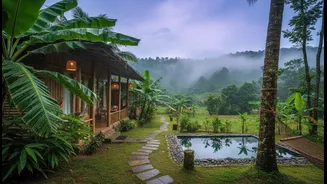


Why the Hinterlands During Monsoon?
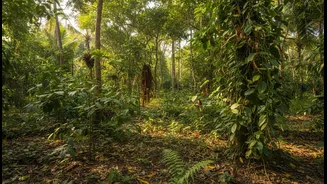
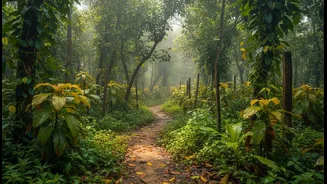
While many associate Goa with sunny skies, the monsoon (June to September) is when its interior truly comes alive. The landscape, parched from the summer heat, erupts in vibrant shades of green. Waterfalls that are mere trickles for most of the year become
roaring cascades, and the spice plantations are at their most fragrant and verdant. This 'off-season' means fewer crowds and a more tranquil atmosphere, allowing you to experience a side of Goa that is serene, mystical, and deeply connected to nature. It is the perfect time for slow travel, focusing on the sights, sounds, and smells of the rain-washed countryside.
The Aromatic Heart: Ponda's Spice Trail
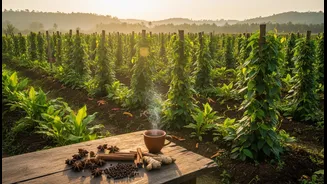
The taluka of Ponda is the undisputed heartland of Goa's spice cultivation. Several plantations here welcome visitors for guided tours that are both educational and a feast for the senses. Popular choices like Sahakari Spice Farm and Tropical Spice Plantation offer immersive experiences. On a typical tour, a guide will walk you through groves of pepper vines, cinnamon, nutmeg, and vanilla, explaining their cultivation and uses. These tours often conclude with a traditional Goan buffet lunch, served on a banana leaf and featuring dishes prepared with farm-fresh spices. For a slightly more offbeat experience, consider smaller, family-run farms like Tanshikar Spice Farm in Netravali, which focus on organic practices.
Beyond Spices: Waterfalls and Ancient Temples
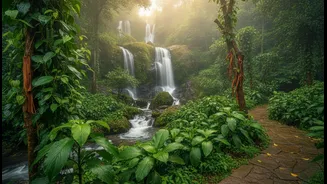
The hinterlands offer more than just spices. The monsoon swells the region's rivers and waterfalls, creating spectacular sights. While the famous Dudhsagar Falls can be difficult to access during the peak monsoon due to safety restrictions on jeep safaris and trekking, it's worth checking local conditions as it is a breathtaking sight. More accessible options include the beautiful Harvalem Waterfall in the north and the Tambdi Surla Waterfall. Near the latter, you'll find the stunning 12th-century Tambdi Surla Mahadev Temple, an ancient stone structure nestled deep within the Bhagwan Mahavir Wildlife Sanctuary. It's a serene spot that provides a powerful sense of history and solitude amidst the dense forest.
Crafting Your Itinerary: Practical Tips
To best explore the hinterlands, renting a car is highly recommended, as public transport can be limited. Opt for a vehicle with good ground clearance, like an SUV, to handle rural roads that can be affected by rain. Book your car in advance, especially for weekend travel. When it comes to accommodation, consider farm stays offered by some spice plantations or eco-resorts in the Sanguem or Quepem talukas. This allows you to stay immersed in the natural beauty of the region. Pack light rain gear, sturdy waterproof footwear for walking on uneven paths, and insect repellent. Driving requires caution; roads can be slippery, and visibility may be low during heavy showers, so it’s best to avoid driving at night.
A Sample 3-Day Hinterland Plan
Day 1: Arrive and settle into your accommodation near Ponda. Spend the afternoon on a guided tour of a spice plantation like Sahakari, finishing with an authentic Goan lunch. Day 2: Dedicate the day to nature and history. Drive to the Bhagwan Mahavir Wildlife Sanctuary to visit the ancient Tambdi Surla Temple. Afterward, if conditions permit, make your way to the nearby Tambdi Surla Waterfall. Alternatively, head north to the more accessible Harvalem Falls. Day 3: Explore the tranquil islands of Divar or Chorao. A short ferry ride from the mainland, these islands offer a glimpse into old Goan village life with their paddy fields, Portuguese-style homes, and quiet roads, providing a peaceful end to your monsoon journey before heading back.